
 English
 简体中文
 Русский
 Français
 Português
 Español


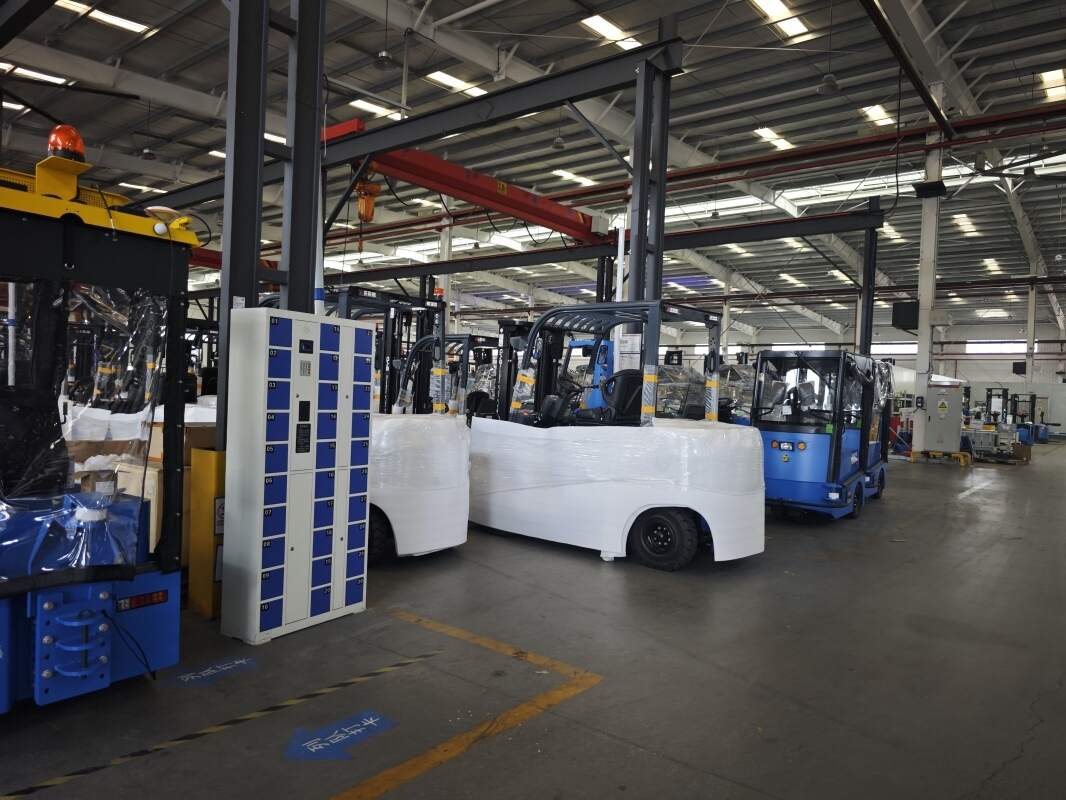
With the wide application of electric forklifts in modern warehouse, logistics and manufacturing scenarios, mastering standardized operation and maintenance knowledge helps operators give full play to the equipment’s advantages of low noise, zero local emission and stable output.
Core Pre-operation Inspection Protocols
Before starting any daily task, operators need to complete a full range of basic checks to eliminate hidden risks in advance. The inspection scope covers the remaining battery level to ensure sufficient power to complete the scheduled tasks of the shift, the flexibility and braking performance of the brake and steering system, the wear condition of load-bearing tires, the tightness of hydraulic sealing parts, and the normal operation status of lighting and warning lights. Any abnormal sign found during inspection shall be recorded and reported to the management team in time, and operators shall not start the equipment for operation before the hidden danger is eliminated.
Standardized Operation Norms for Daily Work Scenarios
During the driving process, operators need to keep the driving speed matching the road condition of the operation area, slow down when turning, passing intersections and areas with dense personnel, and keep a safe distance from surrounding obstacles and passing pedestrians. When carrying goods, the lifting height of the fork shall not exceed the safe range specified in the equipment manual, and operators shall not carry other people on the forklift body unless using the specially designed safe auxiliary platform. It is not allowed to use the fork to directly pry heavy objects, and the overload operation behavior that exceeds the rated load of the equipment shall be avoided as much as possible.
Routine Maintenance Skills to Extend Equipment Service Life
After finishing the daily operation task, operators shall park the forklift in the designated parking area, lower the fork completely to the ground, cut off the main power supply, and complete the appearance cleaning to remove the accumulated dust, sundries and residual goods on the body and wheel gaps. For the matching power battery, operators shall avoid over charging and over discharging, and arrange regular professional inspection of battery cell status and line aging degree according to the operation frequency. The movable connection parts of the equipment shall be lubricated on schedule to reduce friction loss caused by long-term high-frequency use. Standardized operation and regular maintenance can effectively reduce the failure rate of electric forklifts, reduce the overall operation cost of the material handling link, and create a more stable and smooth working environment for front-line operators.


