
 English
 简体中文
 Русский
 Français
 Português
 Español


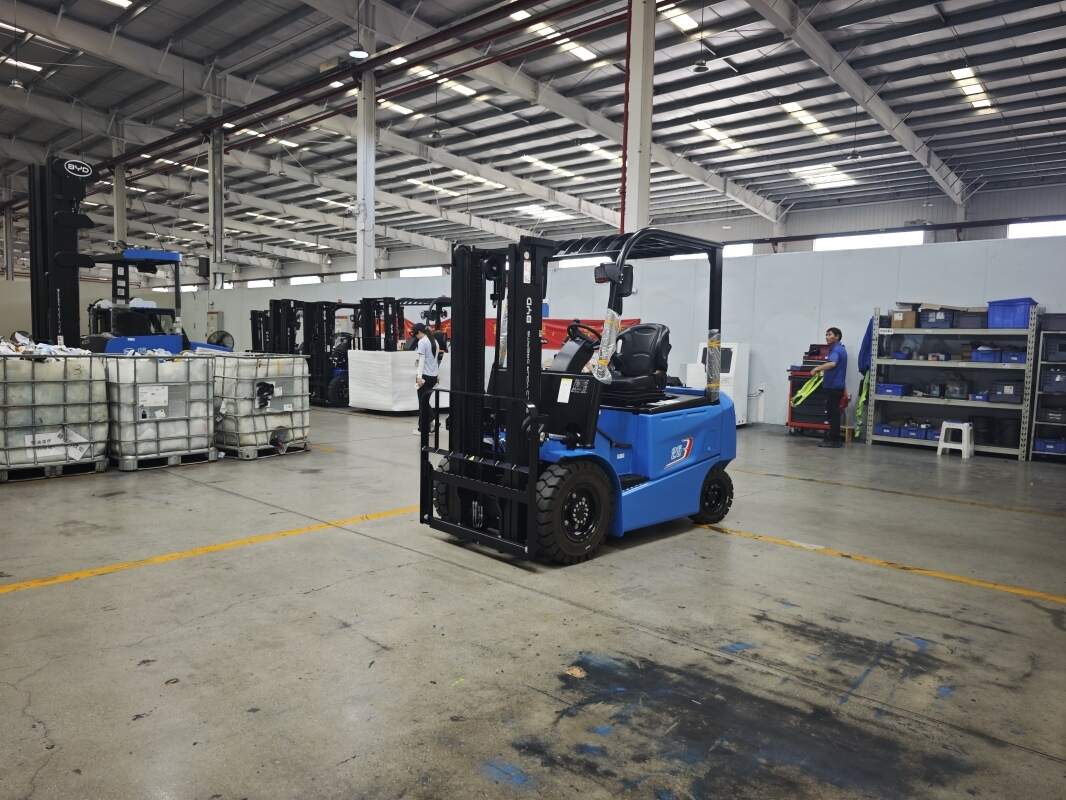
In recent years, electric forklifts have gained wider application across various indoor material handling scenarios, as they feature lower noise, zero local emission and relatively low long-term operation cost compared with internal combustion counterparts. For frontline operators and warehouse managers, mastering systematic, practical operation and maintenance knowledge will help give full play to the equipment’s performance in daily work.
Pre-operation Safety Check Standards
Before starting each shift’s work, operators are suggested to complete a full range of basic checks before formal operation. The checking scope covers remaining battery power, braking system sensitivity, hydraulic component sealing status, tire wear condition and the normal operation of light and warning horn. If any abnormal sign is found during the check, operators should report to the management team in time, and avoid operating the equipment with hidden risks directly. This simple checking procedure helps reduce most common operation accidents caused by neglected minor faults.
Energy Efficiency Optimization Methods
To extend the single charging duration and the whole service cycle of the power system, operators can develop good driving habits in daily application. It is not recommended to frequently step on the accelerator or brake sharply during normal moving, and staff can reasonably plan the moving route in advance to reduce unnecessary long-distance round trips. When the equipment needs to stay idle for more than 10 minutes, operators can turn off the power system properly to avoid unnecessary power consumption. These small details can bring obvious power saving effect in long-term daily use.
Daily Routine Maintenance Suggestions
Regular standardized maintenance can effectively reduce unexpected equipment downtime, and lower the comprehensive operation cost in long term. Operators should avoid flushing the electronic control components directly with high pressure water when cleaning the equipment, to prevent short circuit of internal circuits. The charging area of the battery pack should be kept dry and ventilated, and operators should follow the official specification to complete regular lubrication and oil replacement work according to actual use frequency. Following the above guidelines can help the electric forklift maintain stable working condition for a longer period, and support the smooth operation of the whole warehouse material handling workflow.


