
 English
 简体中文
 Русский
 Français
 Português
 Español


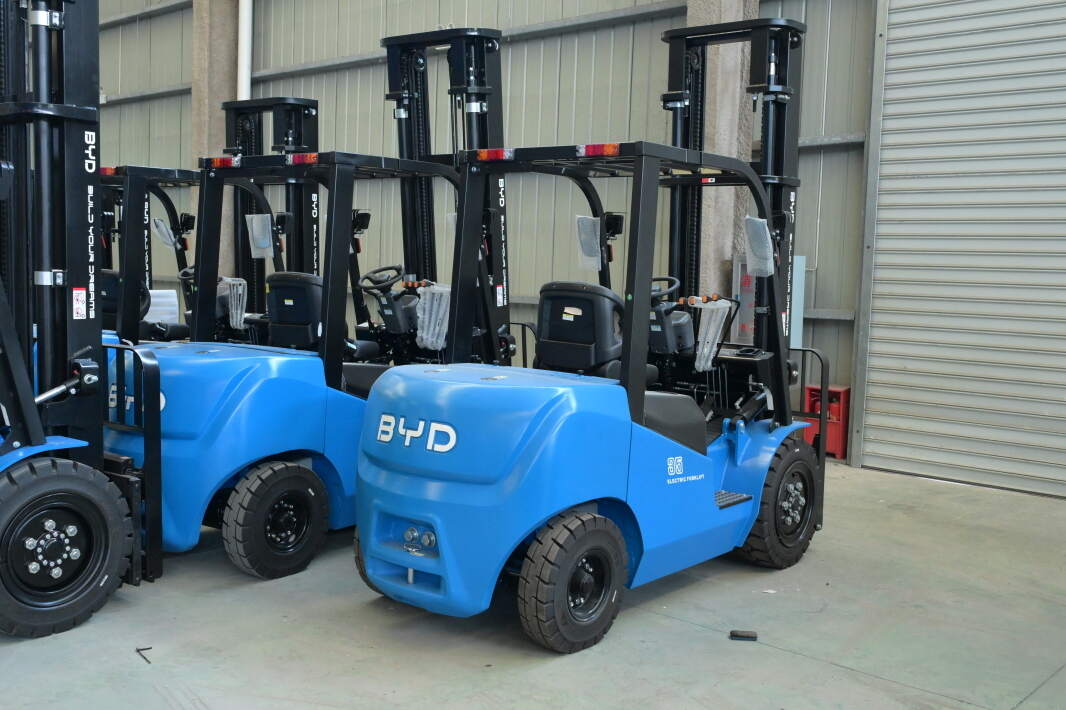
As more logistics and manufacturing facilities prioritize low-carbon, people-friendly operation modes, electric forklifts have gradually become a mainstream option for indoor and short-distance material handling scenarios. Unlike traditional internal combustion counterparts, these electric-powered units produce no on-site exhaust emissions, generate relatively low working noise, and fit well with enclosed warehouse environments where air quality and staff comfort are core operational priorities.
Core Performance Characteristics of Modern Electric Forklifts
Most properly designed electric forklift models are configured with high-capacity energy storage components that support continuous working hours for standard daily shift demands. The adjustable output power system allows operators to switch different working modes according to varying load weights, which can reduce unnecessary energy consumption during no-load transfer processes. The compact body structure also supports flexible movement in narrow aisle spaces, making it suitable for high-density shelf layout in modern storage facilities. Most current models are also equipped with basic safety warning components that can remind operators of potential hidden risks in daily operation, to lower the probability of accidental collision.
Practical Routine Maintenance Guidelines
Regular daily inspection is a low-cost way to avoid unexpected downtime of electric forklifts. Before the start of each shift, operators can check the status of energy storage components, the flexibility of lifting and steering structures, and the sensitivity of safety warning parts, to eliminate minor hidden troubles in the early stage of failure. It is recommended to arrange professionally trained personnel to conduct deep maintenance on the power drive system and circuit connection parts every certain working cycle, to keep the whole unit in stable running condition. Cleaning the dust and sundries attached to the surface of power components regularly can also help extend the whole service life of the equipment.
Standard Operation Practices to Improve Comprehensive Efficiency
Operators who receive systematic professional training can reasonably plan the moving route and stacking sequence according to the actual site layout, which can effectively reduce unnecessary repeated movement during the handling process. Following the specified load capacity limit in daily operation can avoid extra wear of key components, and also reduce the risk of cargo slipping or equipment tipping during high-lifting operation. Facilities can also arrange targeted operation training for new staff, to help them master correct operation habits as soon as possible and adapt to the actual working rhythm of the site.


