
 English
 简体中文
 Русский
 Français
 Português
 Español


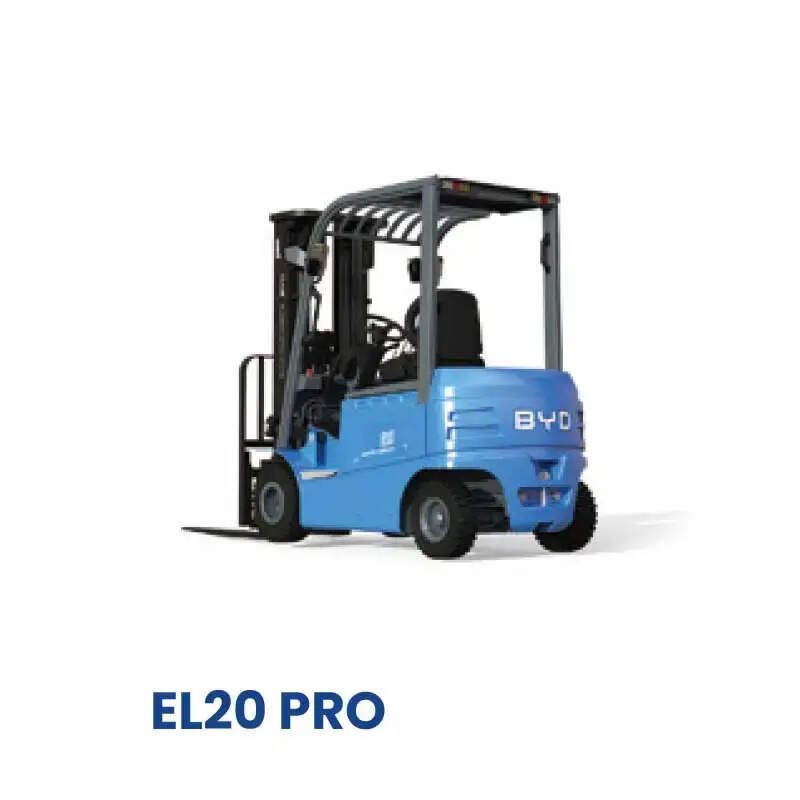
As the core equipment of modern logistics and warehouse operation, electric forklift has been widely applied in multiple scenarios due to its low noise, zero on-site emission and flexible operation features. Mastering correct use and maintenance rules can help enterprise operators give full play to the equipment’s advantages, avoid unnecessary operational risks, and create stable working conditions for daily material handling work.
Basic Daily Operation Specifications
Before each startup, operators need to complete a series of pre-inspection steps, including checking the remaining power of the battery, the flexibility of the steering system, the braking sensitivity, and the integrity of the lifting fork and surrounding protective components. During operation, operators should keep their sight aligned with the traveling direction, control the driving speed within the safe range adapted to the site condition, and avoid sudden acceleration or sudden braking as much as possible. When lifting or unloading goods, it is necessary to keep the center of gravity of the goods within the allowable load range marked on the equipment nameplate, and do not attempt to handle goods that exceed the rated load for a long time, so as to prevent damage to the hydraulic system or potential overturning risks.
Routine Maintenance and Care Guidelines
Regular maintenance work can effectively extend the overall service life of electric forklifts, and most of the daily care steps can be completed by on-site trained operators without relying on special professional technical support. For the power battery component, operators need to avoid over-discharging the power to less than the recommended remaining level before charging, and arrange charging work in a dry, ventilated and temperature-suitable environment, to avoid the accelerated aging of the battery core caused by extreme temperature conditions. Operators also need to wipe the dust and accumulated debris on the surface of the body, the ventilation holes of the motor and the operation panel on a regular basis, check the tightness of each connecting fastener, and timely replenish the lubricating oil for the rotating movable parts according to the operation manual requirements.
Performance Optimization in Actual Scenarios
In different warehouse operation scenarios, operators can make small adjustments to the use habit to further improve the energy efficiency of the equipment and reduce the operation cost. For example, reasonably plan the traveling route in advance before the peak period of material handling, reduce the unnecessary repeated driving distance, avoid long time idling state when the equipment is parked, which can effectively reduce the unnecessary power consumption. For long-term stored electric forklifts, operators need to arrange regular short-distance startup and operation every certain period, keep the internal components of the equipment in good lubrication state, and avoid the aging of sealing parts caused by long-term static state.


