
 English
 简体中文
简体中文 Русский
 Français
 Português
 Español

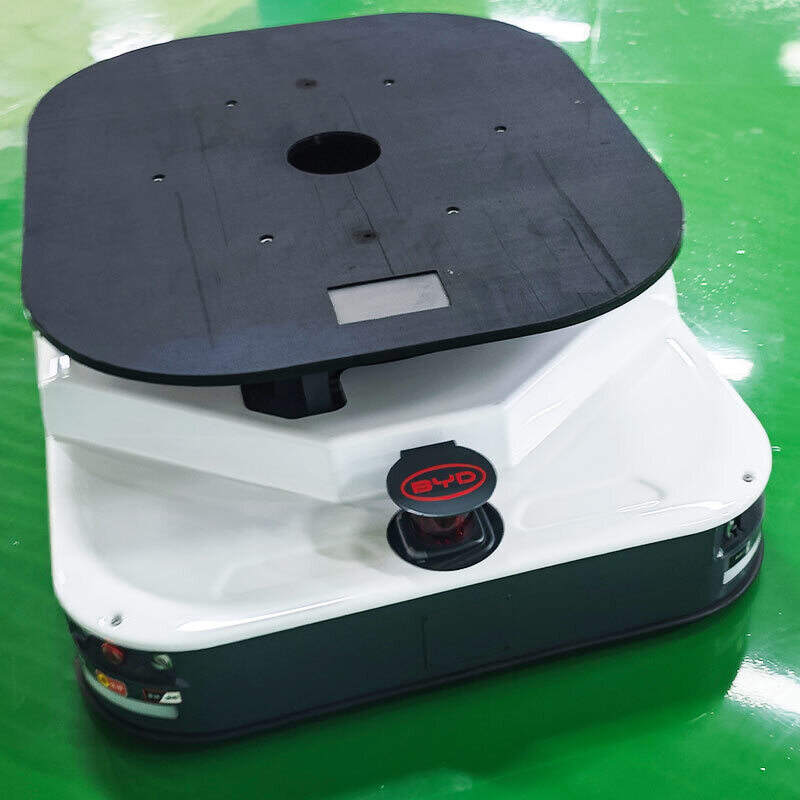
As the global warehousing and industrial logistics industry gradually shifts to low-carbon, high-efficiency operation modes, electric forklifts have become one of the most popular material handling equipment for closed and indoor working scenarios. Compared with traditional internal combustion handling equipment, electric forklifts produce no tail gas emission, generate much lower working noise, and have more flexible steering performance, which can well meet the operation requirements of scenarios with high environmental standards such as food storage, pharmaceutical sorting, and e-commerce fulfillment centers.
Core Safe Operation Specifications for Daily Use
Before each startup of the electric forklift, operators need to complete a series of pre-check procedures, including confirming remaining power level, testing brake sensitivity, checking the flexibility of the lifting mast, and inspecting the surface condition of walking tires, to eliminate potential safety risks caused by neglected worn parts. In the process of moving and transporting goods, the actual load weight should not exceed the rated load parameter of the equipment, and the center of gravity of loaded goods should be kept at the middle position of the two forks, to avoid the risk of cargo tilting and falling during high-position lifting. Operators are also required to keep full attention during driving, avoid sudden steering or sudden braking in narrow aisle areas, and reserve enough safe distance from surrounding personnel and stacked goods.
Key Points of Routine Daily Maintenance
Scientific and standardized regular maintenance can effectively reduce the unexpected failure rate of electric forklifts, and extend the overall service cycle of the equipment. For the power supply system, users need to regularly clean the dust and sundries accumulated on the battery surface, check the firmness of wiring connectors, and avoid frequent over-discharging or over-charging behaviors in daily use, which may cause irreversible damage to the battery performance and service life. For the hydraulic lifting system, users need to check the quality and remaining amount of hydraulic oil at fixed intervals, replace aged sealing components in time, to prevent oil leakage problems that affect the stability of lifting and descending operations. Operators also need to clean up sundries stuck on walking wheels and body heat dissipation gaps regularly, to avoid unnecessary part wear or poor motor heat dissipation.
Scenario-based Performance Adjustment Suggestions
Users can also adjust the operation parameters of electric forklifts according to the actual characteristics of different working scenarios to achieve better application effects. In the narrow aisle high-level storage scenario, the equipment can be set to a relatively low movement speed, to ensure higher positioning accuracy of forks when picking and placing high-stored goods. In low-temperature short-term outdoor operation scenarios, the preheating procedure of the power system can be activated before formal work, to ensure the equipment maintains stable power output throughout the operation process. Proper matching of operation modes with actual working demands can help improve overall material handling efficiency, and effectively reduce long-term comprehensive operating costs.


