
 English
 简体中文
简体中文 Русский
 Français
 Português
 Español

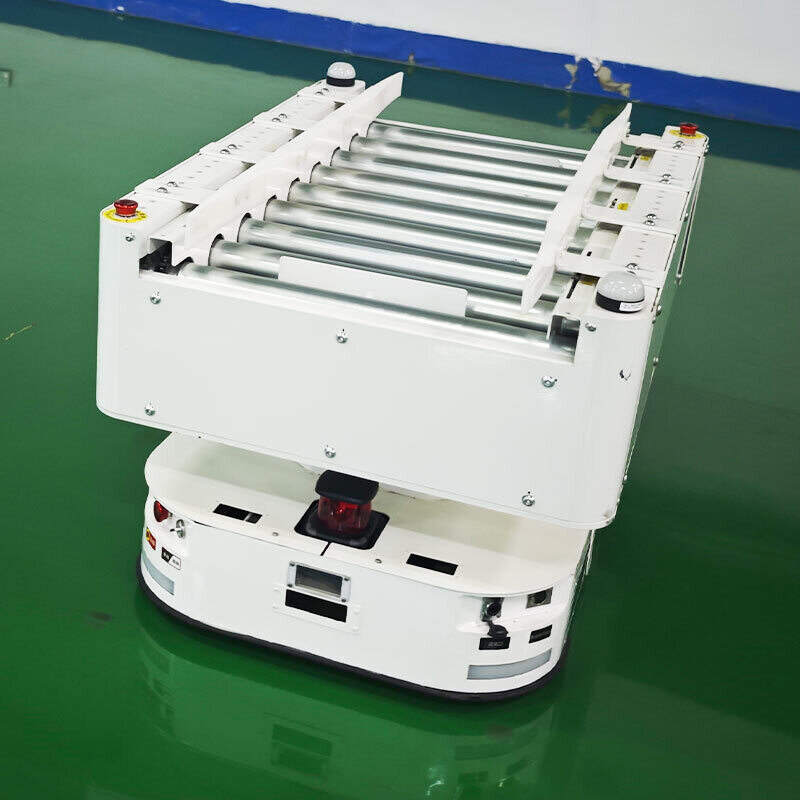
Electric forklifts have become a core piece of equipment for modern industrial logistics and warehouse operations, thanks to their low noise, zero local emissions and flexible operating performance. Mastering correct use and management methods can help enterprises give full play to the advantages of such equipment, and avoid unnecessary operation risks and cost losses.
Core Operation Specifications for Daily Use
Before starting the equipment, operators should first conduct a visual inspection of the body, check the remaining power level, the flexibility of the steering system and the sensitivity of the braking function, and confirm that there are no obstacles in the surrounding operation area. During the driving process, it is advisable to control the driving speed within the safe range matching the site condition, avoid sudden steering or emergency braking when carrying loads, and keep the load center within the allowable range of the load weight marking, to prevent accidental tipping caused by unbalanced stress.
Routine Maintenance Points to Reduce Wear and Tear
Regular daily maintenance work can effectively extend the service cycle of electric forklifts, and reduce the frequency of unexpected failures. After each shift, operators should wipe off the dust and residual debris on the surface of the equipment, check the wear degree of the tires and the tightness of the connecting parts, and arrange standardized charging in a well-ventilated designated area, avoid overcharging or deep power loss for a long time. For key components such as the motor and control system, regular professional inspection can help discover hidden risks in time, and reduce the overall long-term operating cost of the equipment.
Necessary Safety Precautions for On-site Use
Operators should receive systematic professional training before taking up the post, and be familiar with the operating logic of different functional modules of the equipment. In the operation site with pedestrian flow, operators should always pay attention to the surrounding dynamic conditions, use the prompt sound or light reminder function appropriately, and it is not allowed to carry people on the working platform or fork arm. When the equipment is not in use for a long time, the fork arm should be lowered to the lowest position, the power supply should be cut off, and the hand brake should be pulled tightly to avoid accidental sliding.
Optimization Tips for Scenario-based Application
In different warehouse operation scenarios, matching the operation mode of the electric forklift with the actual demand can further improve the overall operation efficiency. For narrow channel scenes, operators can adjust the driving speed in advance to adapt to the limited space, and for high stacking operation scenes, keep the body stable when lifting the goods slowly, so as to ensure the safety of goods and personnel. Properly arranging the use schedule of the equipment according to the daily operation volume can also reduce unnecessary idling consumption, and give full play to the energy-saving advantage of electric driving.


