
 简体中文
 Русский
 Français
 Português
 Español
 لالعربية


Many industrial and logistics facilities are gradually replacing traditional internal combustion handling equipment with battery powered forklift truck in recent years, to meet the requirements of low-carbon operation, clean production and lower long-term operating cost. Before putting this type of equipment into daily use, it is necessary for on-site managers and operators to master systematic operation norms and maintenance logic, so as to give full play to its inherent advantages in the facility.
Before each daily shift, operators need to complete a series of pre-operation inspections first. First, check the remaining power level of the battery, confirm that it can support the handling workload of the whole shift, to avoid sudden power off during operation which may block the logistics channel. Then check the wear condition of tires, the flexibility of lifting and tilting system, and the sensitivity of brake and steering structure. At the same time, operators need to confirm that there are no sundries or unrelated personnel in the planned operation route of the facility, especially in narrow aisles, cargo stacking areas and elevator entrances, to eliminate potential safety hazards in advance. Different from fuel-powered forklifts, the battery powered forklift truck produces no exhaust emission in the whole operation process, so it is very suitable for use in enclosed spaces such as food processing workshops, pharmaceutical production areas and cold storage facilities, which have high requirements for air cleanliness. In the actual operation process, operators still need to control the driving speed below the safety limit set for the facility, avoid sharp steering and sudden braking when carrying heavy loads, and do not overload the equipment beyond the rated load capacity for a long time, to ensure the stable operation of the equipment and the safety of on-site personnel and goods.
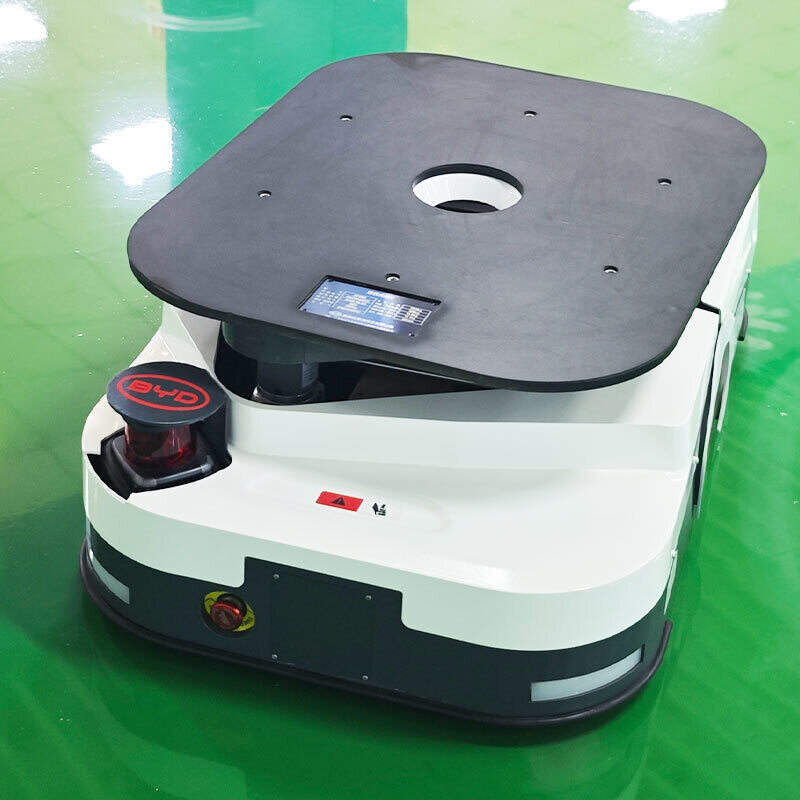
Daily standardized maintenance can effectively extend the service life of the battery and the whole vehicle, and reduce the unexpected downtime in the facility. Operators should arrange charging work in accordance with the specification requirements, avoid over-discharging the battery to extremely low power, and avoid long-term overcharging after the battery is fully filled. When charging, keep the charging area well ventilated, and do not place flammable and explosive articles around the charging point. For the surface of the equipment, operators can wipe the dust and cargo residue on the body and counterweight regularly, check whether the connecting terminals of the battery are loose or corroded, and deal with abnormal problems in time once found. If the equipment needs to be left unused for more than 10 days, operators should adjust the battery power to 50% to 70% state, and arrange a supplementary charge every 30 days, to protect the overall performance of the battery.
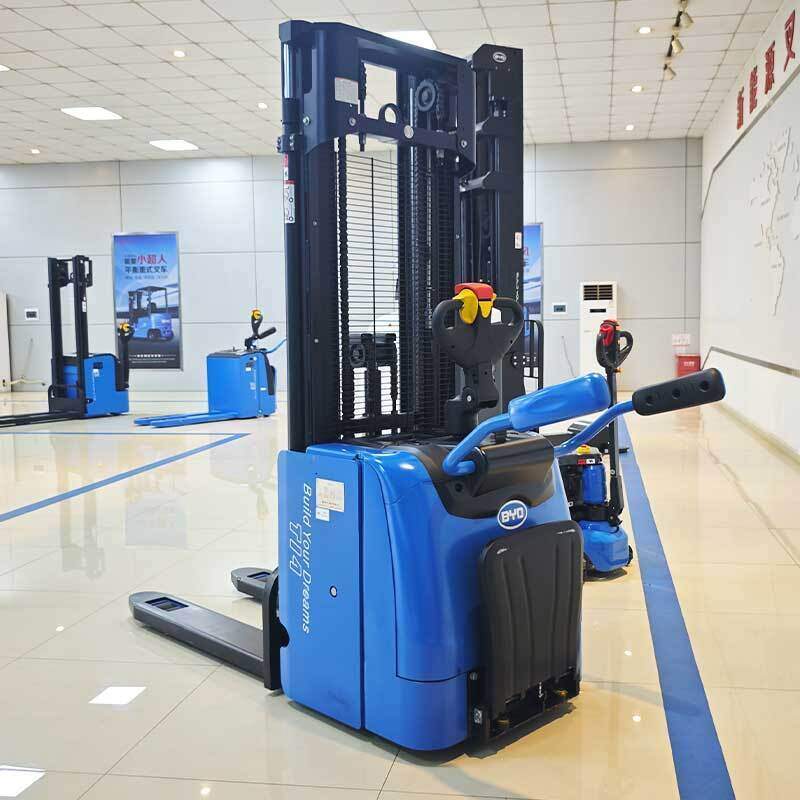
As a professional new energy handling equipment service provider, we are Jianxin New Energy, focusing on BYD electric forklift. We can provide you with full range of support including equipment matching, operation training and after-sales maintenance services for your facility. If you have any demand or consultation about battery powered forklift truck, you can send email to [email protected] to contact us.


