
 简体中文
 Русский
 Français
 Português
 Español
 لالعربية


For logistics warehouses, manufacturing plants and port freight yards that run 2 to 3 shifts per day, the continuous operation capability of electric forklifts directly determines the overall operational efficiency of the whole site. Improper battery sizing often leads to unexpected power failure in the middle of work, extra waiting time for charging, or unnecessary extra cost caused by over-sized battery configuration, which brings hidden troubles to daily operation. This introduction explains the core logic of multi-shift forklift battery sizing to help operators make proper decisions.
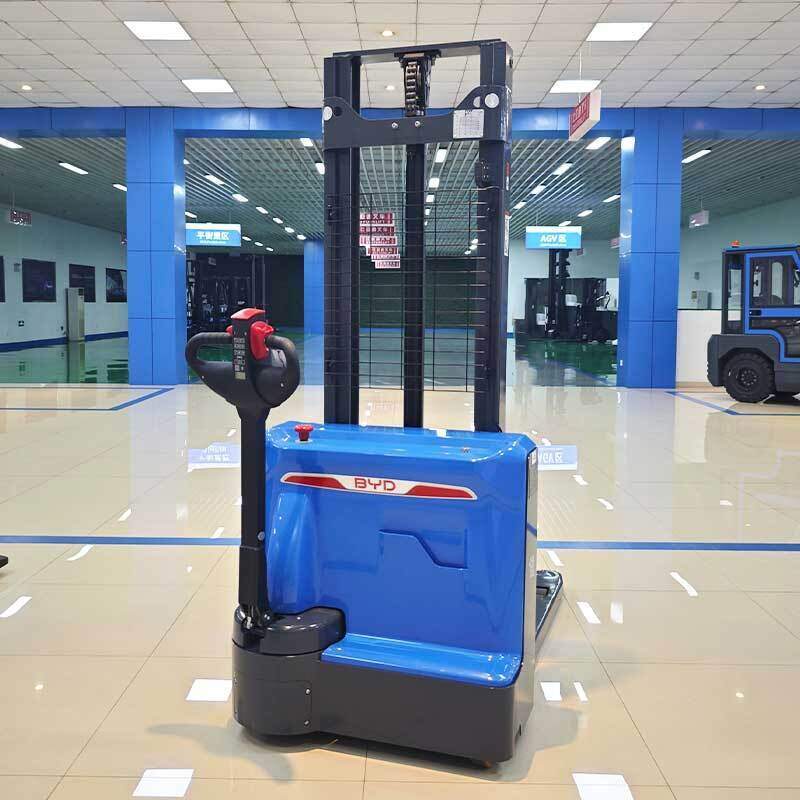
The first step of standard sizing is to calculate the actual power consumption of a single shift. Operators need to sum up the power consumed by frequent loading and unloading operations, the energy consumed by long-distance driving in the site, and the extra power consumption of auxiliary facilities including work lights, special attachments and ventilation systems, to get the accurate power consumption data per working shift. For multi-shift scenarios, the total required battery capacity should reserve 20% to 30% of redundancy on the basis of total power consumption of all shifts, to offset the extra power loss caused by low ambient temperature, high frequent operation intensity and slight performance decay after long-term use of the battery.
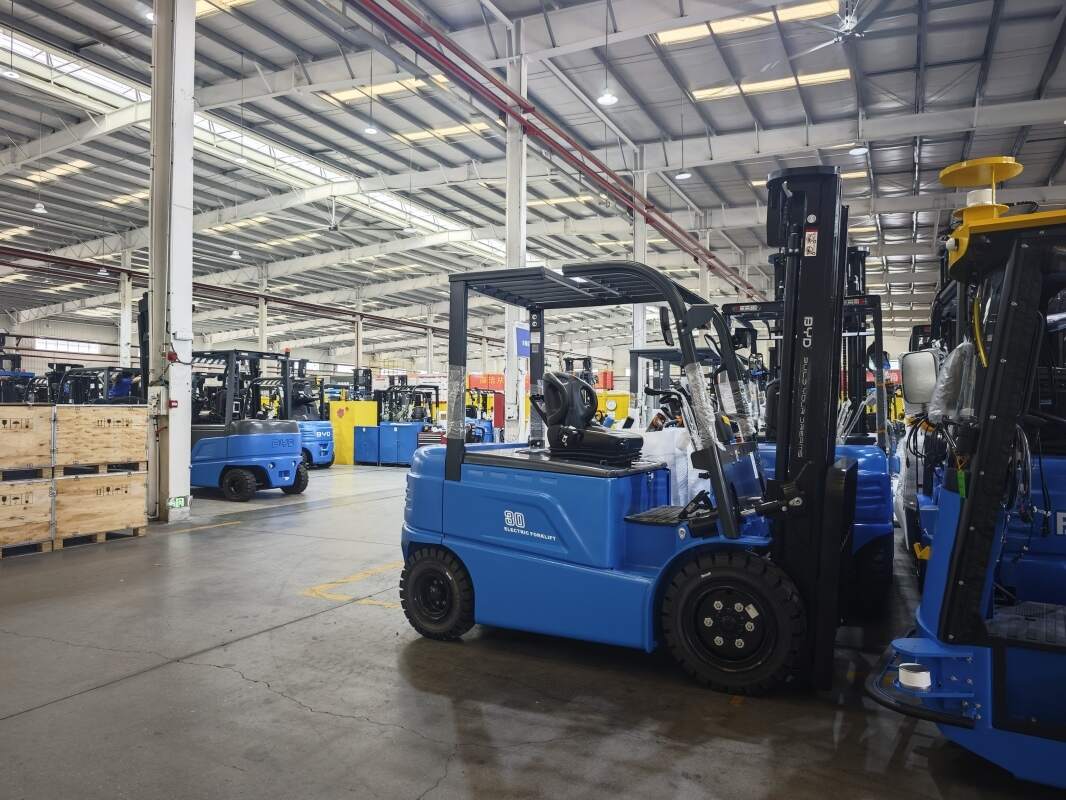
It is not recommended to choose a battery with capacity lower than the calculated demand, which will force the battery to run under high load for a long time, accelerate the attenuation of battery cycle life, and require frequent emergency charging during working hours, which will interrupt the normal operation rhythm. At the same time, choosing an over-sized battery is also not a reasonable choice. Extra weight of over-sized battery will bring extra power consumption during forklift driving and loading process, and increase the upfront purchase cost without bringing corresponding practical benefits.
For different multi-shift operation conditions, there are targeted sizing solutions. For sites equipped with standardized battery swap stations, operators can choose matched standard capacity batteries, and complete battery swap within a few minutes between shifts to support non-stop 24-hour operation. For sites that do not have battery swap conditions, you can choose a moderately sized battery with fast charging function, which can replenish enough power for the next shift within the 15 to 20 minutes break between shifts.
We are Jianshu New Energy, specializing in electric forklift related solutions. We can provide customized multi-shift battery sizing services according to your actual site operation data. If you have relevant demands, please contact us via [email protected]. Proper battery sizing for multi-shift scenarios can effectively reduce unplanned downtime, lower the total operation cost in full life cycle, and bring stable and reliable power support for your daily logistics operation.


