
 简体中文
简体中文 Русский
 Français
 Português
 Español
 لالعربية

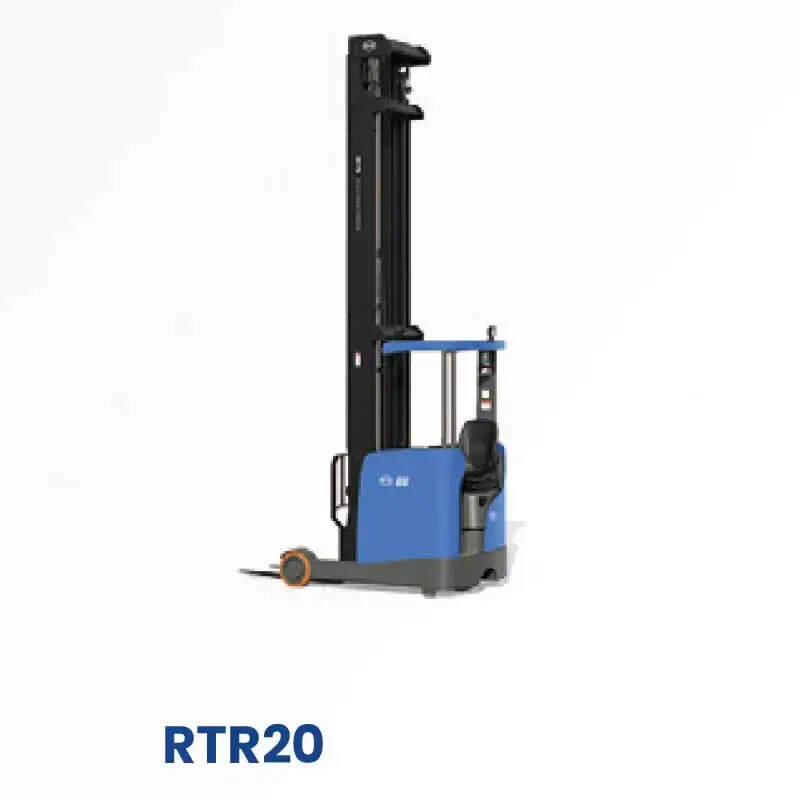
Electric forklifts have become one of the most widely applied material handling equipment in modern warehouse, manufacturing and distribution scenarios, with advantages of low noise, zero local emissions and relatively low operating cost compared with internal combustion counterparts. Many on-site operators and enterprise managers still lack systematic, practical operational and maintenance knowledge to give full play to the equipment’s comprehensive performance.
Core Operating Specifications for Daily Use
Before starting the equipment every time, operators need to check the surrounding working area, confirm no obstacles or unrelated personnel stay in the operating path, and inspect the braking system, lifting mechanism and tire condition briefly. It is not recommended to operate the equipment under overload condition for long periods, and the load should be placed evenly on the fork arms to avoid side tilting during moving. When the equipment is running on ramp roads, keep the load facing the uphill direction to prevent goods from falling off accidentally. Operators should not leave the operating position when the load is lifted to a high position.
Routine Maintenance Points to Extend Service Life
Daily maintenance work does not require complex professional skills, and most basic inspection items can be completed by trained on-site operators. The power supply system is the core component of electric forklifts, users need to check the power connection interface regularly to avoid dust accumulation and liquid immersion, and follow the official recommended charging rules to prevent overcharging or deep discharging which may affect the overall cycle life. After daily operation, clean the surface of the equipment, remove the sundries stuck in the gap of moving parts, and park the equipment in the designated ventilated and dry area.
Scenario-based Usage Optimization Suggestions
For closed warehouse scenarios with narrow aisles, operators need to adjust the traveling speed properly, and keep sufficient safe distance with surrounding storage racks and stacked goods. For cold storage operating scenarios, users can take targeted protective measures for the power system according to the actual ambient temperature, to keep the equipment operating in a stable state. Regularly organize on-site operators to participate in standardized operation training, which can effectively reduce the probability of accidental equipment damage and lower the long-term comprehensive use cost of the equipment.


