
 简体中文
简体中文 Русский
 Français
 Português
 Español
 لالعربية

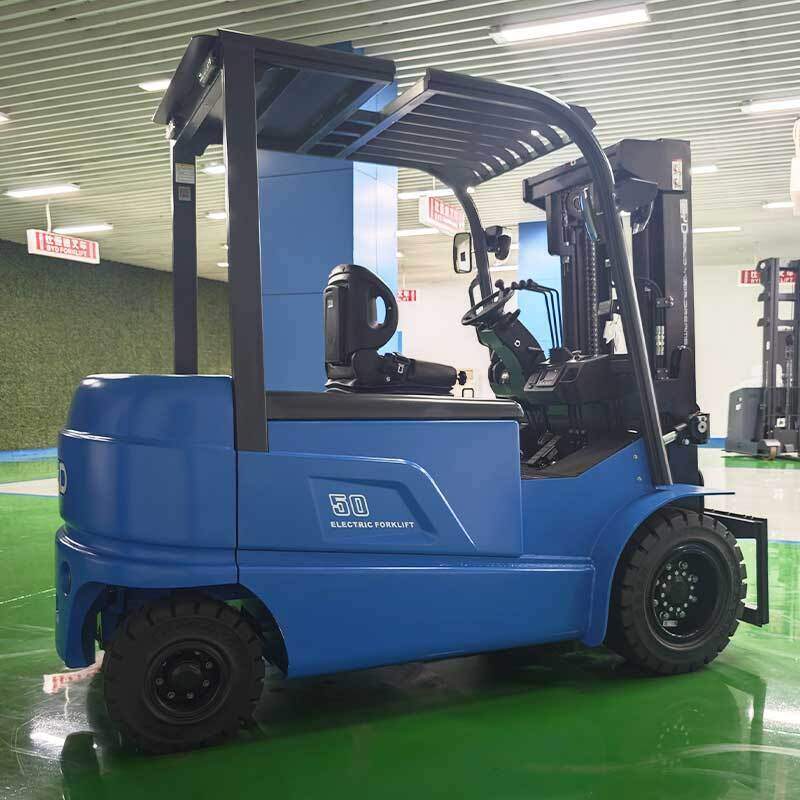
With the continuous upgrade of low-carbon logistics systems across global industrial scenarios, electric forklifts have gradually become one of the most widely used material handling equipment in warehouses, manufacturing plants and distribution centers, occupying a larger market share than internal combustion counterparts in many application areas in recent years. Mastering correct usage rules and relevant professional knowledge can help operation teams reduce unnecessary cost consumption while ensuring daily work safety and stability.
Basic Operating Specifications for Daily Use
Before starting any operation, operators need to complete full pre-shift checks, including the status of power level, brake system, steering sensitivity and load fork surface condition, to eliminate potential hidden risks in advance. Operators should adjust their operation habits according to specific load weight and site condition, never operate on slopes with gradient exceeding the equipment’s specified allowable range, and keep stable running speed when passing narrow aisles to avoid collision with surrounding goods or facility structures. All operation behaviors should follow local industrial safety regulation requirements, and no untrained personnel are allowed to get access to the operating system of the equipment.
Routine Maintenance Guidelines for Stable Performance
Daily maintenance work of electric forklifts focuses on the core power system, walking components and hydraulic lifting structure. Operators should wipe the surface of power connecting components regularly to avoid accumulated dust or liquid residue that may affect conductivity, and check the wear degree of moving parts every fixed working cycle, add proper amount of lubricating grease to the transmission structure as required. After each full shift of work, users should park the equipment in the designated parking area, turn off the power supply completely, and charge the power pack in strict accordance with official operation requirements to avoid abnormal damage caused by improper charging behavior, which can effectively extend the overall service cycle of the equipment.
Efficiency Optimization Strategies for Material Handling
In actual warehouse application scenarios, matching the operation rhythm of electric forklifts with the overall logistics scheduling plan can significantly improve the overall turnover efficiency of goods. Teams can plan the access route of high-frequency turnover goods in advance, reduce unnecessary long-distance moving distance of equipment, and adjust the load combination reasonably according to the maximum load limit of the equipment, to avoid repeated back and forth transportation caused by unplanned arrangement. Regularly organizing operators to participate in professional skill update training can also help the whole team master more practical operation skills, reduce the misoperation probability in complex working scenarios.


