
 简体中文
简体中文 Русский
 Français
 Português
 Español
 لالعربية

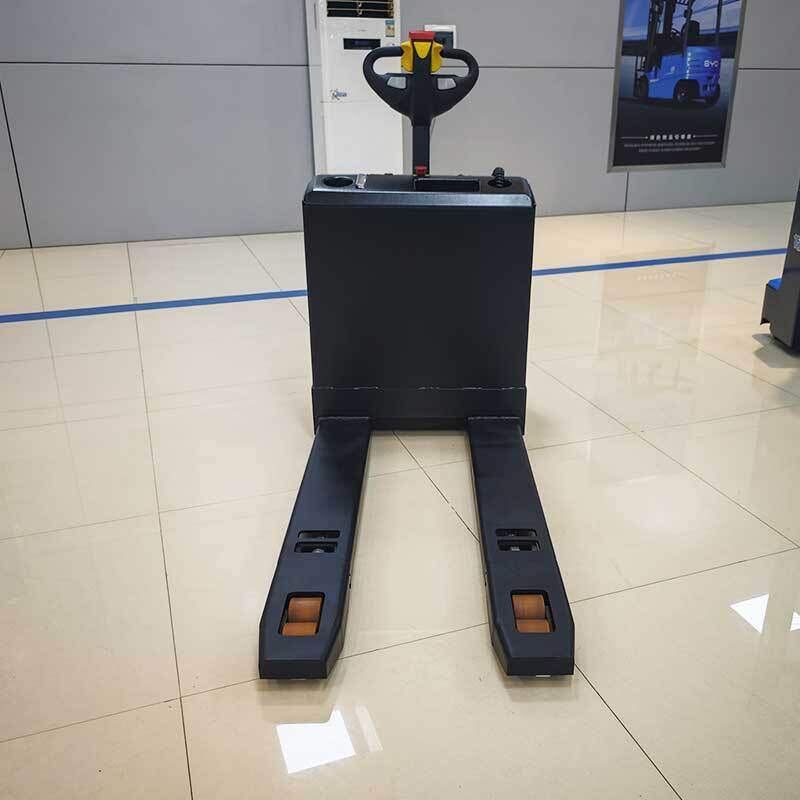
For professional warehouse planners, the turning radius of electric handling trucks is a core parameter that directly connects equipment performance and site operation efficiency, rather than a vague technical indicator listed on product specification sheets. Many planners tend to prioritize load capacity, lifting height and running speed during site renovation or new warehouse planning, while ignoring the matching degree between aisle width setting and the actual turning radius of frequently used material handling equipment, which easily causes hidden risks of operation collision, low space utilization and frequent operation delay.
It is worth noting that the actual turning radius of an electric handling truck is not a fixed value that remains unchanged in all scenarios. The minimum theoretical turning radius marked by the equipment manufacturer refers to the required rotation space under no-load, flat and dry ground conditions, while in actual warehouse operation scenarios, factors including residual cargo weight, worn tire status, slight ground gradient and temporary obstacles on the edge of the aisle will increase the actual required rotation space by 10% to 20% on most occasions. For warehouse planners, it is not advisable to only refer to the theoretical minimum value when setting the width of the operation aisle, otherwise the reserved space will not support the smooth and safe turning of the handling truck in daily use.
In the process of warehouse layout design, planners can classify operation areas according to the actual application scenarios of electric handling trucks. For high-density storage areas that do not need frequent vehicle turning in narrow aisles, planners can select matched equipment with smaller turning radius to appropriately reduce the aisle width, so as to increase the number of storage racks within the limited site area. For main operation aisles that need to support frequent two-way passing and turning of multiple handling vehicles, planners need to reserve sufficient extra rotation space on the basis of the actual measured turning radius of the equipment, to avoid mutual scraping between vehicles or collision between vehicles and rack structures in peak operation hours.
Reasonable matching between the reserved rotation space and the actual turning radius of electric handling trucks can not only effectively reduce the incidence of operation safety accidents, but also significantly shorten the operation path of handling personnel in the process of cargo picking and transferring, which can steadily improve the overall operation efficiency of the warehouse without additional investment on large-scale site expansion. Regularly verifying the actual turning performance of existing electric handling trucks during daily operation and adjusting the local warning marks of the aisle in time is also a necessary part of the long-term warehouse operation optimization work.


