
 简体中文
简体中文 Русский
 Français
 Português
 Español
 لالعربية

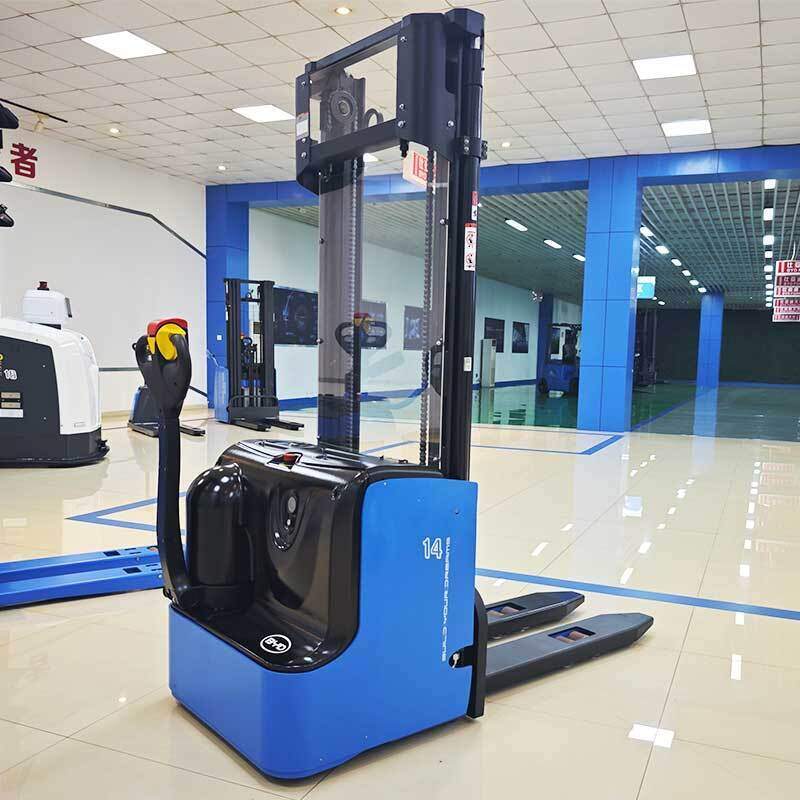
As more logistics, manufacturing and warehouse operators transition their material handling fleets to electric lithium-ion forklifts, many teams are exploring battery swapping as a reliable supplementary power solution for high-intensity multi-shift operations. Many fleet managers have raised repeated common questions about this solution during the planning and implementation phase, and we sort out clear, practical answers for reference below.
First, many operators ask if battery swapping solutions can match their existing lithium-ion forklift fleets. Most standard industrial lithium-ion forklifts on the market adopt unified battery compartment dimension specifications, and the battery swapping stations that match the corresponding battery parameters can realize normal use without large-scale modification of existing vehicles. For a small number of customized special operation forklift models, teams can carry out slight adaptive adjustment of the positioning structure of the swapping device to complete the compatibility, and no complicated engineering transformation is required in most use cases.
The second common question focuses on whether battery swapping can effectively reduce unnecessary operation downtime. Traditional on-board charging requires the forklift to stay in a dedicated charging area for 2 to 8 hours to complete full power replenishment, which takes up a lot of effective operation time for teams that run two or three shifts every day. A standard battery swapping operation usually takes no more than 3 minutes, and on-site operators can finish the replacement work with basic operation training, no professional technical support is required. The idle waiting time for charging can be fully converted into available working hours, which brings obvious improvement to the overall operation efficiency of the fleet.
Many teams also pay high attention to the long-term use safety of battery swapping solutions for industrial scenarios. Qualified battery swapping stations for forklift use are equipped with multi-layer safety protection mechanisms, including real-time temperature monitoring, over-current and over-voltage protection, and reverse connection prevention design. The internal closed area of the swapping station is equipped with active heat dissipation and ventilation devices, which can automatically conduct health inspection for each battery that is returned to the station, and remind operation staff to deal with abnormal battery status in time. When operated in accordance with the specified operation guidelines, the whole system can meet the basic safety standards of industrial operation scenarios.
The last widely concerned question is the long-term cost performance of the battery swapping solution. The centralized swapping mode allows the fleet to reduce the total number of spare lithium batteries purchased, and there is no need to arrange scattered independent charging points in different areas of the warehouse. The swapping station can be deployed in a small designated corner of the site, to complete unified charging, maintenance and status check for all batteries in the fleet, which can reduce the labor input of daily power management. Fleet operators can combine their own fleet scale, daily operation hours, site space conditions to evaluate whether the solution matches their actual operation needs.


