
 简体中文
简体中文 Русский
 Français
 Português
 Español
 لالعربية

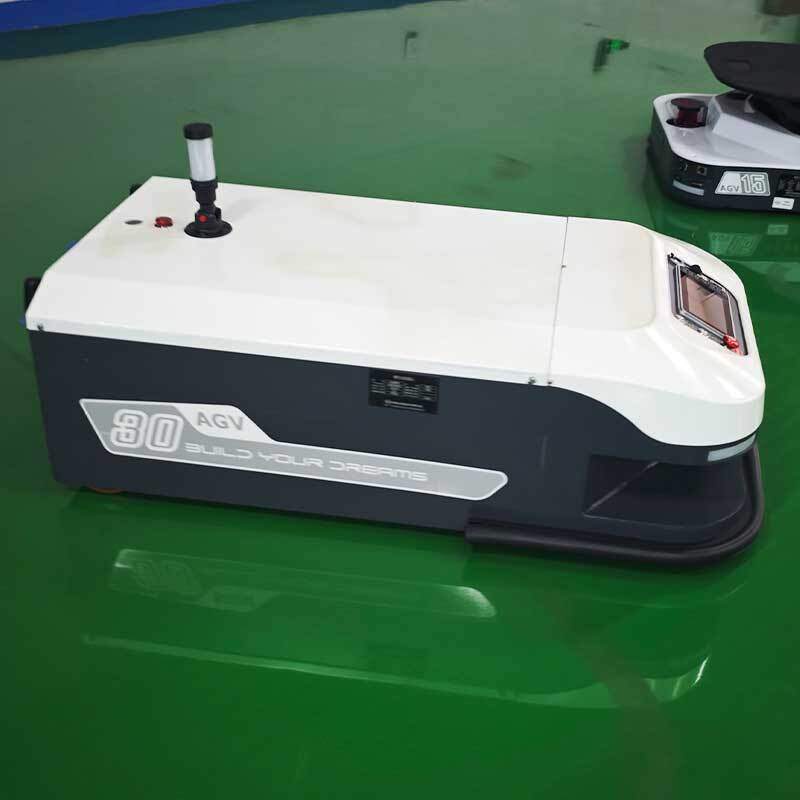
As a widely used material handling equipment in modern logistics and industrial scenarios, electric forklifts have gained growing popularity across different industrial sectors in recent years. Mastering relevant professional knowledge of operation and maintenance can help facility teams make full use of the equipment’s advantages while lowering unnecessary operating risks.
Core Functional Advantages of Electric Forklifts
Different from fuel-powered industrial handling equipment, electric forklifts produce no local exhaust emission during operation, which makes them highly suitable for enclosed warehouse spaces, food processing workshops and other scenarios that have strict requirements for air quality. The overall operating noise level of electric forklifts is relatively low, which helps reduce noise interference for on-site staff and creates a more comfortable working environment for long-term shift operations. The low-vibration operation feature also lowers the risk of damage to fragile goods during handling process.
Standard Daily Operation Specifications
Before starting each shift, operators need to complete a series of pre-operation checks, including testing the sensitivity of the braking system, confirming the remaining battery level, and checking whether the hydraulic lifting structure runs smoothly under no-load state. Operators should avoid carrying loads that exceed the rated load capacity of the equipment, keep driving speed at a low level when moving on sloped surfaces, and never carry extra personnel on the equipment to prevent safety risks. When the equipment stays in standby state for over 15 minutes, operators can turn off the main power system to avoid unnecessary power consumption.
Routine Maintenance Guidelines
Regular maintenance work plays a key role in extending the overall service life of electric forklifts. Facility teams can regularly clean the connection parts of the battery pack to remove accumulated dust and moisture, which can effectively prevent poor power contact issues. It is also necessary to check the wear condition of solid or pneumatic tires on a fixed cycle, replace over-worn tires in time to avoid unstable driving. During daily use, operators are suggested not to keep fully loaded forks at a high position for a long time, to reduce long-term pressure on the hydraulic system parts. The battery should be charged in a dry and ventilated designated area, and avoid frequent overcharge or deep discharge behavior.
Efficiency Optimization Methods for Warehouse Scenarios
Warehouse operation teams can adjust the daily driving route of electric forklifts according to the layout of storage racks and cargo arrival and delivery areas, to reduce unnecessary detour paths that waste power and time. Teams can also assign electric forklifts with different rated load capacities to corresponding handling tasks reasonably, to avoid using high-load equipment for small-scale cargo transportation which causes extra energy consumption. Organizing regular skill review training for operators can also reduce operation mistakes, further improving the overall working efficiency of the whole material handling process. With proper operation and regular maintenance, electric forklifts can stably support the daily material handling demands of different operation scales, and help promote the low-carbon transformation of the whole industrial operation system.


