
 简体中文
简体中文 Русский
 Français
 Português
 Español
 لالعربية

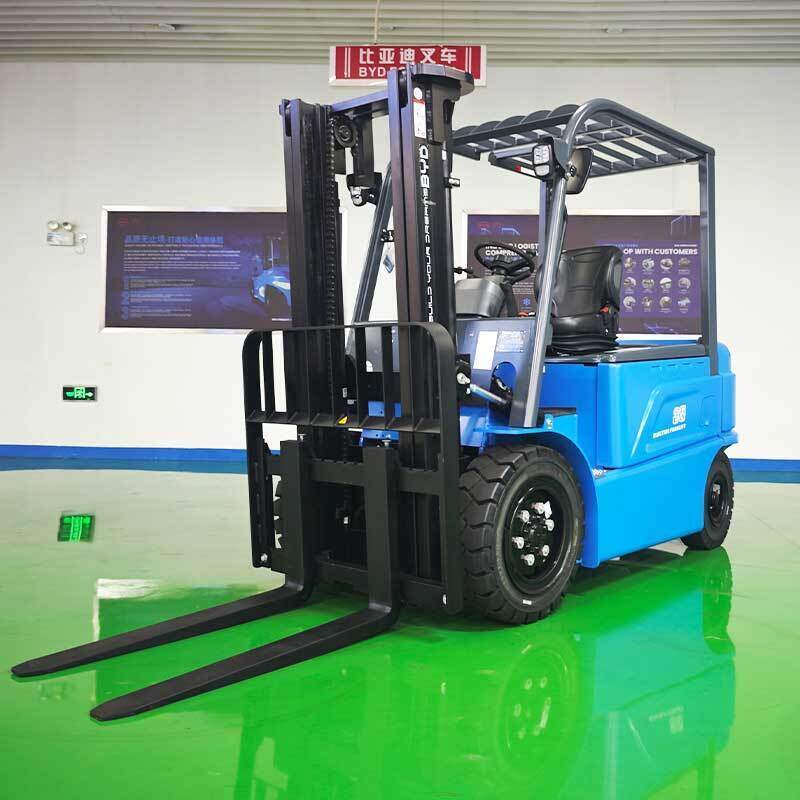
Against the background of growing demand for low-carbon and efficient material handling in the logistics sector, electric forklifts have become a widely adopted core equipment in indoor warehouses, manufacturing workshops and distribution centers. Mastering correct use and management rules can help operators give full play to the performance of such equipment and reduce unnecessary operation risks.
Core Performance Advantages of Electric Forklifts
Different from traditional internal combustion handling equipment, electric forklifts are mainly driven by power systems that produce no exhaust emissions during operation, which can adapt to enclosed indoor operation environments without special ventilation configuration. Their overall noise level during running is relatively lower, which can reduce interference to surrounding staff and working environment, and create a more comfortable working condition for long-term continuous operation. Most models have relatively compact body structure, which can pass through narrow operation channels smoothly to make full use of limited warehouse space.
Standard Daily Operation Specifications
Before starting each shift of operation, operators need to complete basic pre-inspection work, including checking the remaining power of the power system, the flexibility of the steering and braking systems, and the integrity of the fork and related accessories. During the operation process, operators should avoid sudden acceleration or emergency brake as much as possible, keep the load center within the rated range marked on the equipment nameplate, and avoid over-lifting the goods beyond the specified lifting height limit to prevent accidental tipping risks. After the daily operation is completed, the equipment should be parked in the designated fixed area, the power supply should be turned off, and the fork should be lowered to the lowest position to avoid accidental collision with passing personnel or goods.
Scientific Routine Maintenance Guidelines
Daily maintenance work for electric forklifts does not require overly complex operation procedures. Operators only need to wipe the dust and sundries on the surface of the equipment regularly, check the tightness of the connecting parts of the power system, and clean the dust on the surface of the heat dissipation parts. For the power replenishment process, it is recommended to follow the specified operation steps, avoid overcharging or long-term loss of power storage, so as to maintain the stable performance of the power unit for a long time. Regular professional inspection every 3 to 6 months can help discover potential hidden problems in time, reduce the probability of unexpected downtime.
Scenario Matching Suggestions to Improve Operation Efficiency
For different application scenarios, operators can adjust the operation parameters and configuration of electric forklifts properly. For low-intensity short-distance handling scenes in small warehouses, models with small load capacity and flexible steering can be selected to reduce unnecessary energy consumption. For high-frequency continuous operation scenes in large distribution centers, reasonable shift arrangement and power replenishment planning can help ensure continuous operation demand, effectively improve the overall operation efficiency of the entire material handling link.


