
 简体中文
简体中文 Русский
 Français
 Português
 Español
 لالعربية

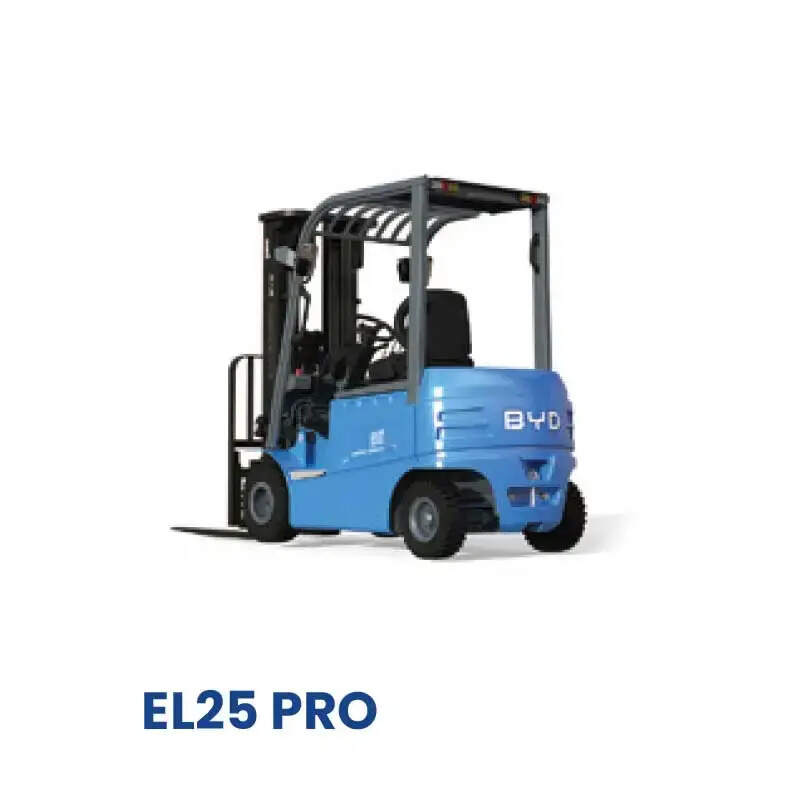
For modern large-scale warehousing facilities, long-distance travel routes that span multiple storage zones, ultra-long aisles, and transfer points between loading docks and picking areas account for a growing proportion of daily material handling work. Many operation teams face confusion when selecting suitable pallet trucks to support these scenarios, as mismatched equipment may lead to extra labor consumption, extended operation cycles, and unplanned extra costs. It is necessary to compare the core performance and applicable scenarios of ride-on pallet trucks and walk-behind pallet trucks from the actual demand of long-distance warehouse travel, so as to make a targeted selection.
Walk-behind pallet trucks are designed with compact structure and flexible steering performance, which fits well with short-distance transfer scenarios that require frequent turns and narrow space access. For routes with travel distance less than 30 meters per single transfer, operators can finish the whole operation without obvious physical burden. However, for long-distance warehouse routes with single travel distance over 50 meters or total daily travel distance exceeding 2 kilometers, the continuous walking movement will increase the physical load of operators gradually. Sustained high labor intensity may raise the possibility of operation error, and extend the total time consumption of each material transfer cycle.
Ride-on pallet trucks are equipped with dedicated standing or sitting platforms for operators, which eliminates the need for walking during the whole transfer process. With reasonable speed setting under safety control, the units can maintain stable moving state on long straight warehouse aisles, effectively reduce the physical consumption of operators, and shorten the time spent on non-handling moving links. For operation scenarios where long-distance routes take up more than 60% of daily pallet truck work, the use of ride-on pallet trucks can bring more stable operation rhythm, and will not cause extra strain for the working team even after several hours of continuous operation.
There is no absolute superior solution between the two types of pallet trucks for long-distance warehouse travel routes. Warehousing teams can make final decision based on the actual ratio of long-distance routes in daily work, site aisle width, budget arrangement and personnel configuration. Conducting small-scale trial on existing typical long routes before large-scale equipment deployment can help verify the actual adaptation effect, and find the most cost-effective option that matches the specific operation demands.


