
 简体中文
简体中文 Русский
 Français
 Português
 Español
 لالعربية

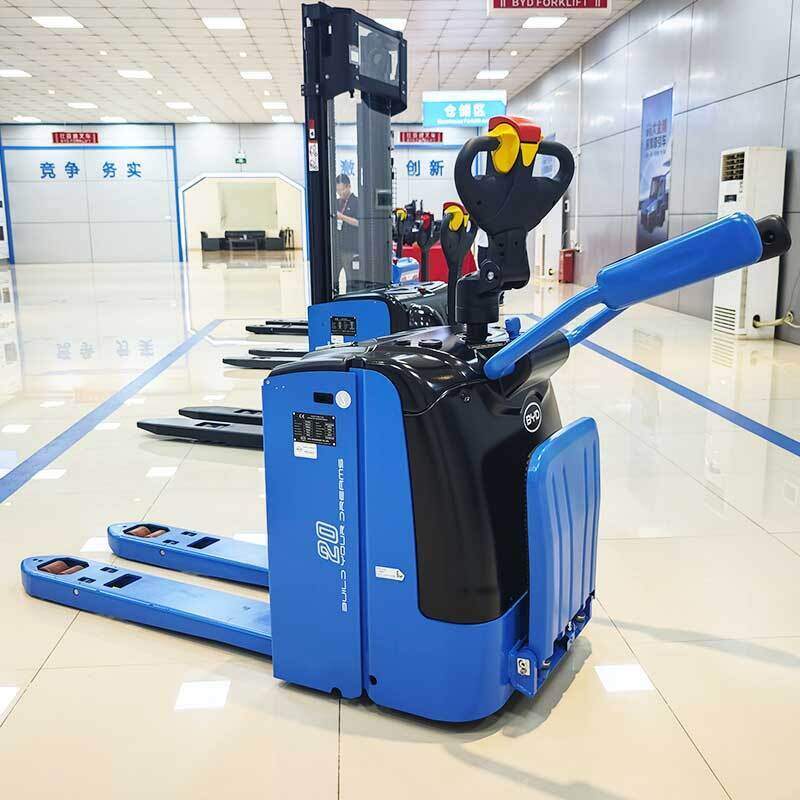
As the electrification transformation of the material handling industry accelerates, electric forklift has become one of the most widely used handling equipment in indoor logistics scenarios. Different from traditional internal combustion forklifts, electric forklifts rely on power battery as the core energy source, which requires users to master targeted operation and management knowledge to give full play to its performance advantages.
Core Operational Specifications for Daily Use
Before starting the equipment every time, operators need to conduct a full visual inspection of key components, including tire wear condition, brake sensitivity, lifting mechanism flexibility and power remaining status. During the operation process, operators need to avoid sudden acceleration or sudden steering, and strictly control the load within the rated bearing range, so as to prevent the risk of goods falling or equipment tipping. For long-distance transfer in the warehouse, it is necessary to keep a safe distance with surrounding personnel and shelves, and do not overload the lifting mechanism to lift goods beyond the specified height.
Routine Maintenance Tips to Extend Equipment Lifespan
Daily maintenance work can be divided into daily shift inspection and regular periodic maintenance. For the battery system, users need to keep the surface of battery pack clean and dry, avoid long-term full discharge or frequent overcharging, and arrange the charging process in a ventilated and cool environment. For the walking and hydraulic lifting system, regular check of lubricating oil level and wear of transmission parts can reduce unnecessary energy consumption and reduce the probability of unexpected failure. Operators should record the operation status of each shift in time, so that hidden problems can be found and handled in the initial stage.
Efficient Application Optimization for Different Scenarios
In closed indoor warehouse scenarios, electric forklifts can make full use of their zero exhaust emission and low noise advantages, to reduce the negative impact on indoor working environment. For frequent short-distance handling of light and medium goods, reasonably arranging the running path of electric forklifts can reduce repeated driving, and improve the overall operation efficiency of the whole logistics link. Users can also adjust the operation parameters of the equipment according to the actual site conditions, to match different handling demands and obtain more stable use experience.


