
 简体中文
简体中文 Русский
 Français
 Português
 Español
 لالعربية

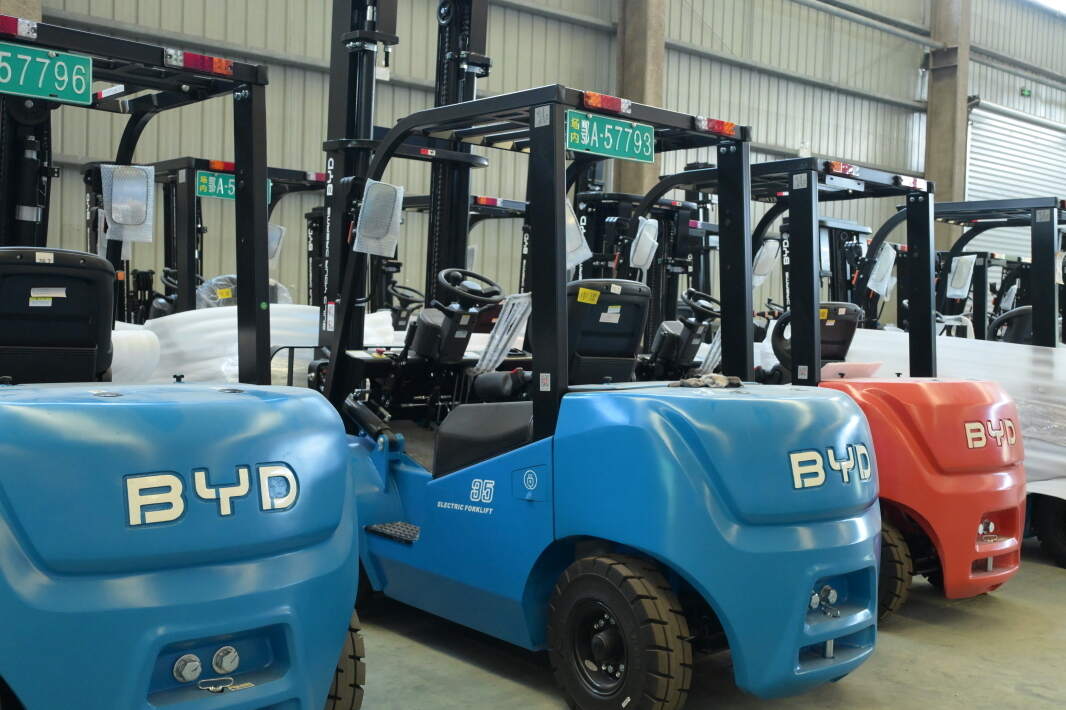
As low-carbon logistics and warehouse operation demands keep rising, electric forklifts have gradually become the mainstream material handling equipment for most industrial scenarios, bringing smoother and lower-cost operation experience compared with traditional internal combustion models. Many frontline operators and warehouse managers still lack systematic, practical knowledge to maximize the value of such equipment, so this guide sorts out key operation and maintenance points for reference.
Core Advantages of Electric Forklift Applications
Different from fuel-powered handling equipment, electric forklifts rely on electric energy drive systems to complete all lifting and moving tasks, producing almost no tail gas emission during the whole working process. This feature makes them suitable for enclosed warehouse spaces, food processing workshops, and other scenarios that have strict requirements for air quality and environmental hygiene. Their overall noise level during operation is also much lower than traditional power models, which can effectively reduce the noise interference to surrounding working staff, and create a more comfortable working environment for long-shift operation teams. The overall structure of electric forklifts is also relatively compact, which allows more flexible moving in narrow aisle spaces that are common in modern high-density warehouses.
Standardized Operation Points for Daily Use
Before starting any formal operation, operators need to conduct a basic pre-check on the equipment, including confirming the remaining power level of the power supply unit, checking whether the lifting mechanism runs smoothly without abnormal jamming, and verifying that all safety protection components work in normal condition. During the operation process, operators should keep the load weight within the rated bearing range of the equipment, avoid sudden acceleration or emergency braking operations under heavy load status, and keep a safe distance from surrounding personnel and stacked goods to prevent accidental collision. After finishing the daily operation task, operators need to park the equipment in the designated area, lower the lifting fork to the lowest horizontal position, cut off the main power supply of the whole machine, and arrange the surrounding site in order.
Routine Maintenance Strategies to Reduce Operation Cost
Regular maintenance work can effectively reduce the failure rate of electric forklifts, and extend the overall service cycle of core components. For the power supply unit, operators should follow the specified charging rules to complete the charging process, avoid long-term under-power storage status, and regularly clean the dust and stains on the surface of the power interface to keep good contact performance. For the driving and lifting transmission parts, regular lubrication treatment should be arranged according to the usage frequency, to reduce the wear degree of moving parts in long-term operation. It is also recommended to arrange regular professional inspection for the whole equipment every certain period, to find hidden minor problems in time and solve them before they develop into major failures that affect normal production schedules.


