简体中文
 Русский
 Français
 Português
 Español
 لالعربية


A well-structured material handling system is the core foundation to support smooth, safe and cost-efficient daily operations across warehouses, manufacturing plants and distribution centers. Many operators overlook regular systematic inspection of their handling frameworks, which may lead to hidden safety risks, unnecessary operation delays and extra unplanned costs. This practical checklist covers all core dimensions of routine verification, to help teams sort out potential problems in a targeted way without redundant complicated processes.
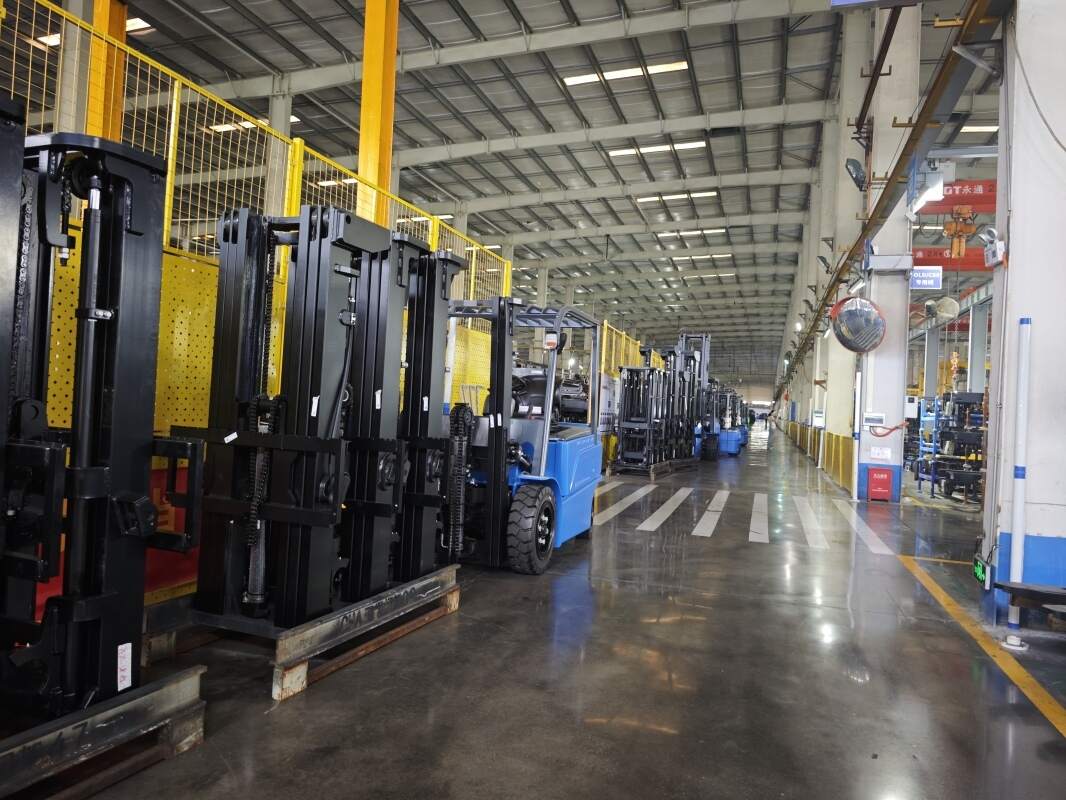
First section of the checklist focuses on safety and compliance verification. Teams need to check if all operation paths are free of random stacked obstacles, confirm that the anti-slip treatment of high-frequency operation areas meets relevant standards, verify that all warning signs for heavy load operation, high falling risk and speed limit are placed in obvious positions, check the validity period of all supporting fire safety facilities, and confirm that all handling operators have received corresponding operation training and hold valid operation qualifications. For all moving handling equipment, the working state of brake system, warning light and prompt sound should be tested one by one, and the rated load identification on the equipment body should be kept clear and recognizable.
Second section of the checklist targets equipment adaptability verification. Teams need to confirm that the maximum load and maximum lifting height of existing handling equipment matches the parameters of regularly transported goods and storage shelves, check if the layout of charging and rest areas for electric handling equipment fits the main operation route to reduce unnecessary back-and-forth distance, verify that the continuous battery life of all electric equipment can meet the operation demand of peak business hours, and count the failure rate of old equipment in recent 3 months, to replace and maintain equipment with high hidden risks in advance and avoid unexpected operation interruption.
Third section of the checklist is for workflow and route optimization verification. Teams can sort out all nodes from goods unloading, putaway, picking, transit to final loading, check for redundant intermediate transfer links that can be simplified, confirm that the guiding signs of each functional area in the site are clear enough to reduce the time operators spend searching for targets, check if the peak time scheduling rules for different types of handling equipment are clear to avoid congestion on main channels, and verify that the stacking specification of stored goods does not occupy the reserved operation space of channels.
Fourth section of the checklist covers long-term operation optimization verification. Teams can count the total energy consumption of material handling links in the recent month, calculate the average energy consumption of per unit of goods transported, and locate abnormal energy consumption points for targeted adjustment. It is also recommended to collect practical feedback from frontline operators regularly, to adjust the details of the whole material handling system to fit the continuously updated operation demands.
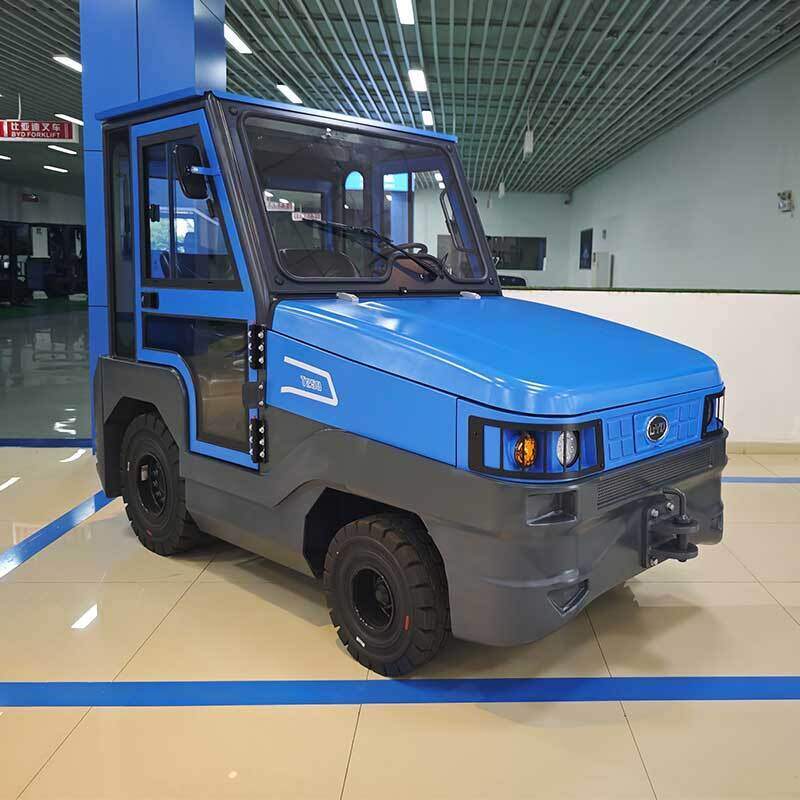
Jianshu New Energy, focusing on BYD electric forklift, can provide tailored green and high-efficiency material handling solutions for customers from different industries with different operation scales. If you have relevant consultation demands, you can send emails to [email protected] for further communication.