简体中文
 Русский
 Français
 Português
 Español
 لالعربية


For many enterprises engaged in warehousing, logistics, manufacturing and distribution businesses, material handling efficiency is directly related to overall operation cost and service quality. In the past, most enterprises would purchase forklifts as fixed assets to support daily operation, but in recent years, more and more decision makers begin to turn to forklift leasing options, to seek more flexible and cost-effective equipment usage modes.
The most prominent advantage of forklift leasing is the reduction of upfront capital pressure. Enterprises do not need to pay a large sum of money at one time to complete the procurement of handling equipment, which can leave more cash flow for core business links such as inventory expansion, business team expansion and digital system upgrading. For small and medium-sized enterprises that are in the growth stage, or temporary engineering projects that only need handling equipment for several months, leasing can avoid the idle waste of equipment after the project ends, and will not bring additional depreciation loss on the enterprise's book.
Flexible configuration is another notable benefit of forklift leasing. Different business periods usually have different equipment demands: during the annual peak order season, the demand for handling capacity will rise sharply, and enterprises can temporarily add leased forklifts to meet the surge of work load, while after the peak season, they can adjust the number of leased equipment according to actual demand, to avoid the waste of excess equipment. In addition, for special operation scenarios such as narrow channel warehouse, cold chain storage and heavy cargo transfer, enterprises can also replace corresponding suitable models through leasing, without being limited to the fixed types of self-purchased equipment.
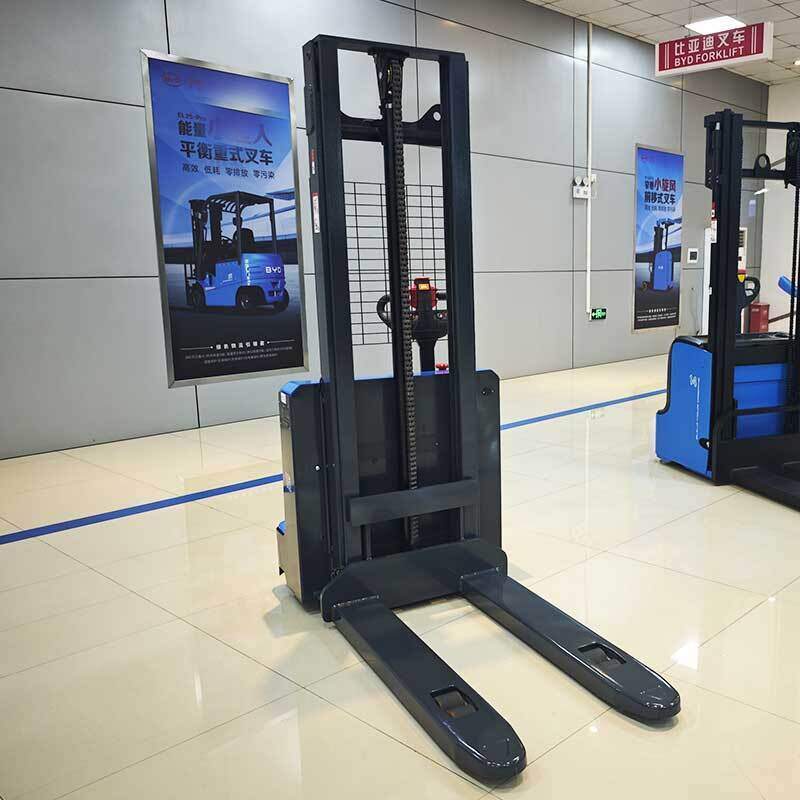
A formal forklift leasing service usually comes with complete supporting operation and maintenance support. The service provider will arrange regular equipment safety inspection, on-site fault maintenance, power system maintenance and other services, so that the enterprise does not need to set up a special maintenance team for forklifts, and does not need to store a large number of spare parts, which can greatly reduce the daily management cost, and reduce the downtime caused by equipment failure as much as possible.
When choosing a forklift leasing service, enterprises need to sort out their own actual operation demands in advance, including daily average working hours, maximum load of handling goods, site channel width, special environmental requirements of the working area, to confirm the most matching equipment model with the service provider. It is also necessary to clarify the rights and responsibilities of both parties in the lease agreement, including maintenance responsibility attribution, fault response time, and adjustment rules of lease cycle.
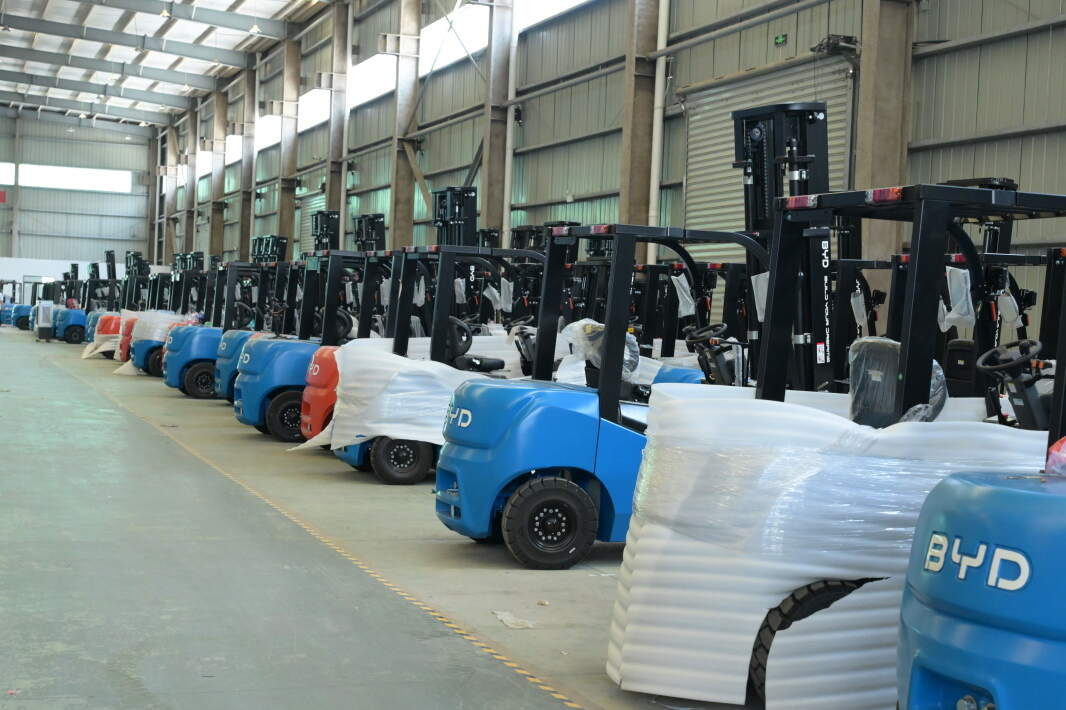
As Sharp Tree New Energy, we focus on BYD electric forklift related services, and can provide targeted customized forklift leasing plans for different operation scales and usage cycles of customers. All our electric forklift equipment runs with zero emission, which can also help enterprises reduce long-term energy consumption cost. If you have any consultation demand, you can send email to [email protected] for more professional supporting solutions.