
 简体中文
简体中文 Русский
 Français
 Português
 Español
 لالعربية

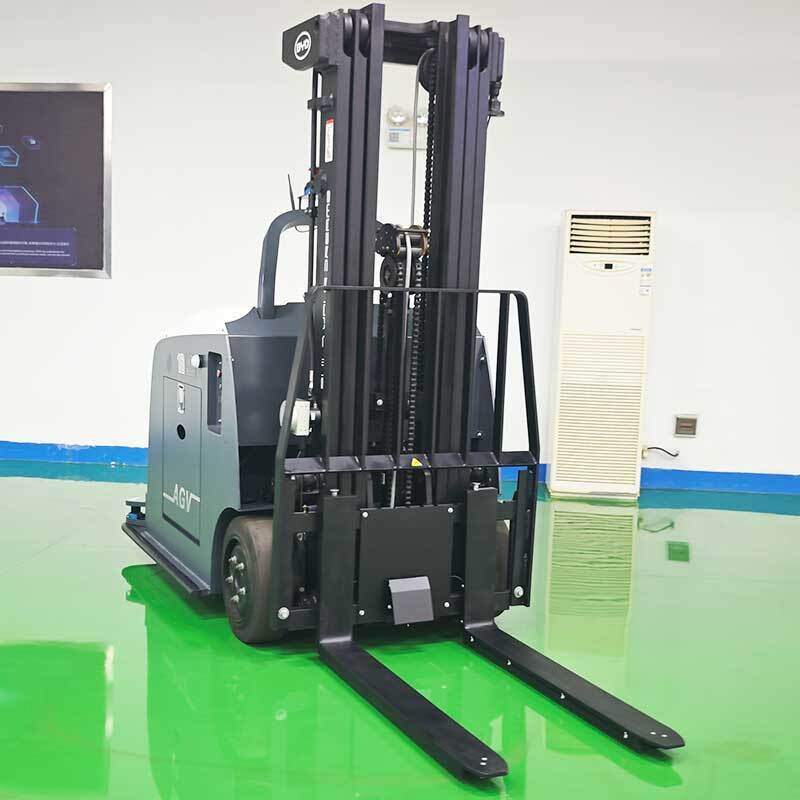
Nowadays, electric forklifts have been widely applied in various logistics warehousing, manufacturing workshop and cargo distribution scenarios, as a low-carbon and efficient industrial handling equipment. Many frontline operators and equipment managers often mix up the definition of different functions during daily use, which may lead to unreasonable power distribution, misallocated maintenance resources, or even potential safety risks in severe cases. Mastering the correct method to distinguish core functions and auxiliary functions can effectively optimize the whole lifecycle use effect of electric forklifts.
To identify core functions of electric forklifts, you can follow the core judgment standard: the functions that directly support the equipment to complete basic material handling tasks, and cannot be replaced without breaking the basic operation logic. All functions related to the driving system, load lifting system, steering system and safety braking system belong to core function scope, including the rated load lifting control, forward and reverse speed adjustment, flexible steering response, stable emergency braking and other basic operation modules. If any of these functions fails, the electric forklift cannot finish normal stacking, handling and other core work at all, so these functions need to be placed at the top priority of daily inspection and maintenance, and operators shall not modify related settings without official guidance to avoid affecting operation safety.
For auxiliary functions, the judgment standard is quite clear as well: these optional additional functions are designed to improve operation comfort and scene adaptation, and will not block the completion of basic forklift handling tasks even if they are turned off temporarily. Common auxiliary functions include the adjustable ergonomic seat, vehicle mounted mobile phone charging port, operation voice prompt, independent storage compartment, optional cab ventilation module and other similar settings. Even if these functions stop working during operation, the operator can still complete all scheduled handling tasks smoothly with normal control of core modules. The maintenance frequency of these auxiliary functions can be arranged according to actual use demand, no need to invest too much redundant human and material resources.
Correctly distinguishing between the two types of functions can bring many practical benefits for daily management. It can help operators reasonably allocate power output during long time shift work, avoid consuming too much battery power on unnecessary auxiliary functions, and ensure the remaining power can fully support the completion of core handling tasks. For equipment procurement work, the distinguishing logic can also help decision makers select proper configuration according to actual operation demands, avoid paying extra cost for unused auxiliary functions, and match configuration budget with actual production needs better. Operators can also refer to the official product manual to sort out the function list of specific model, establish clear classification management rules, to keep the electric forklift in good working condition for a longer period.


