
 简体中文
简体中文 Русский
 Français
 Português
 Español
 لالعربية

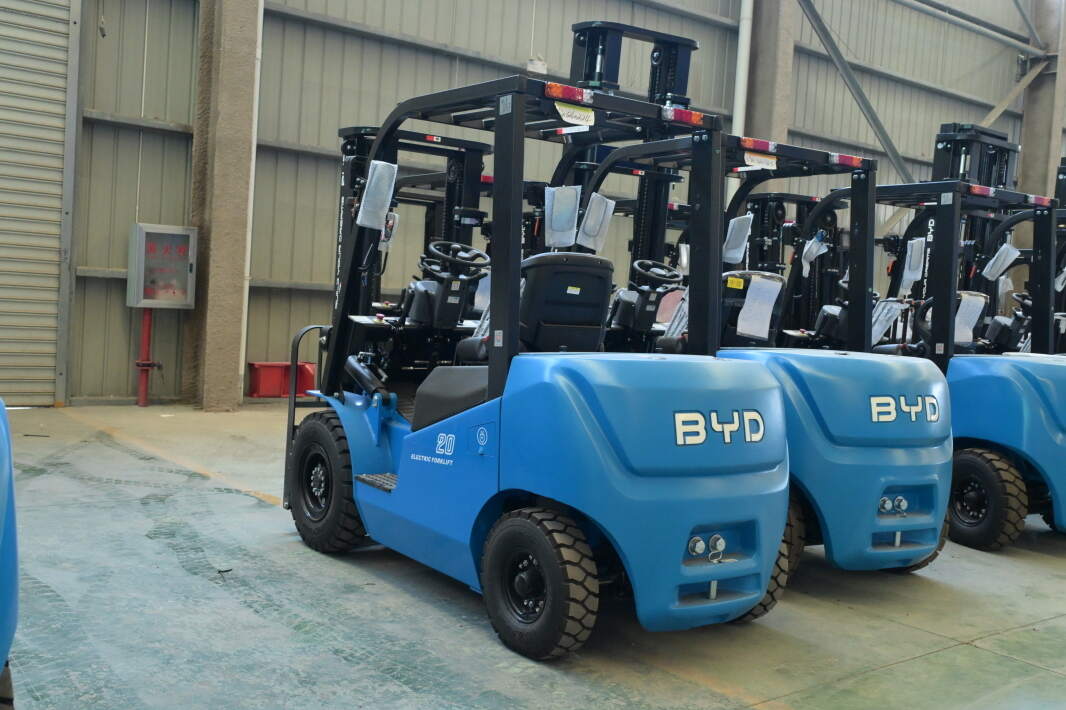
With the growing global focus on low-carbon logistics and on-site operation safety in the material handling sector, electric forklifts have become a core common equipment for most warehouse, distribution and manufacturing operation scenarios. Many frontline operators and facility managers are seeking systematic, practical guidance to maximize the performance of this category of equipment without generating unnecessary extra operating cost.
Core Functional Advantages of Electric Forklifts
Different from traditional fuel-powered handling equipment, electric forklifts produce no local exhaust emission during operation, and generate far lower working noise, so they are very suitable for indoor closed working spaces. This performance feature can effectively reduce air pollution and noise distraction for on-site staff, creating a more comfortable working environment. Most models of electric forklifts adopt compact body design, which can adapt to narrow aisle operation scenarios, and do not need extra independent fuel storage area, helping optimize the overall warehouse space utilization to a certain extent.
Standard Daily Operation Guidelines
Operators need to complete corresponding professional skill training before formally taking up the post, get familiar with the basic parameters of the equipment, including rated load limit, maximum allowed lifting height and minimum turning radius. They are not advised to carry over-weight goods beyond the marked range in daily operation. They also need to complete full pre-start inspection every time before driving, check the battery power status, brake sensitivity, lifting component flexibility and whether the tire has obvious wear or stuck foreign matter. During the driving process, operators should keep stable driving speed, avoid sudden acceleration or emergency braking, and keep full attention to the surrounding personnel and obstacle status all the time.
Key Daily Maintenance Points
Compared with internal combustion counterparts, electric forklifts have fewer mechanical friction components, but regular standardized maintenance can effectively extend the service life of the whole equipment. The core battery component needs to be charged in a designated ventilation and cool area, avoid long-term over-discharging or over-charging, and staff should clean the dust and sundries on the battery surface regularly. The connection state of the circuit connector should be checked every month, to avoid poor contact caused by dust accumulation. The transmission and lifting system can be filled with corresponding lubricating oil on schedule according to the official operation manual, and sundries wrapped around the walking wheel shaft should be removed timely, to reduce unnecessary mechanical loss.
Reasonable application and maintenance of electric forklifts can help logistics and manufacturing enterprises reduce long-term operation cost, create a safer and greener on-site working environment, and provide stable support for efficient daily material handling work.


