
 简体中文
简体中文 Русский
 Français
 Português
 Español
 لالعربية

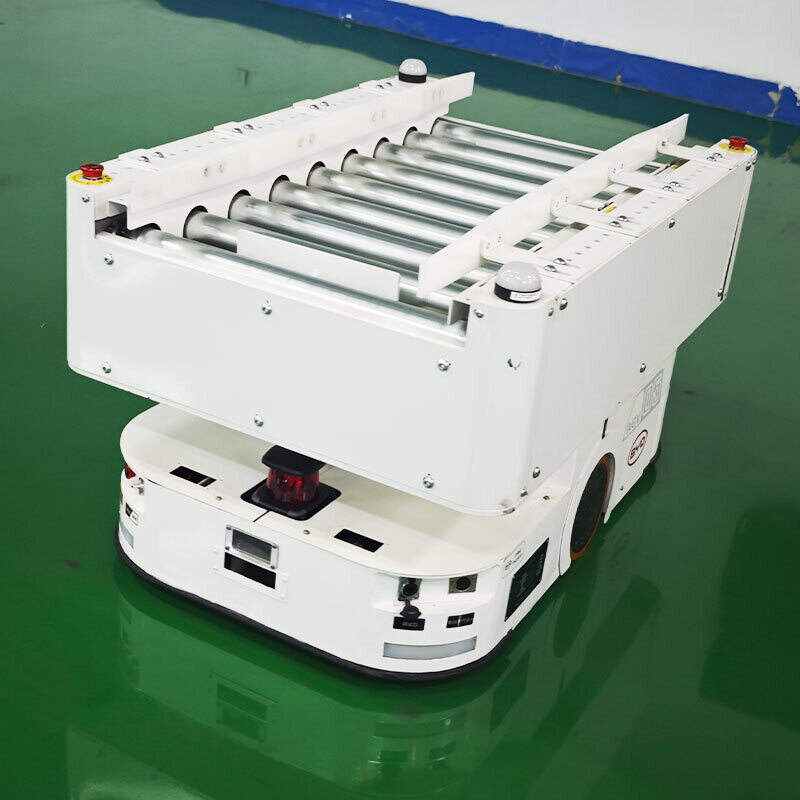
As low-carbon logistics development gains wider popularity across the industrial sector, electric forklifts have become one of the most widely applied material handling tools in different types of storage scenarios, bringing distinct changes to daily warehouse operation modes. Mastering systematic operation and maintenance knowledge can help relevant personnel give full play to the performance of such equipment and create more stable operational benefits.
Core Performance Characteristics of Electric Forklifts
Unlike internal combustion counterparts, electric forklifts are powered by energy storage modules, which produce no exhaust emission during the whole working process, and run with relatively lower noise level that meets the environmental protection requirements of closed storage spaces such as cold rooms and food warehouses. The power output structure of such equipment also brings smoother operation experience, which can effectively reduce the misoperation probability for new operators to a certain extent. The overall operating cost in the long-term use cycle is relatively lower than traditional fuel-powered handling equipment for most small and medium-sized warehouse scenarios.
Standard Daily Operation Norms
Before starting each shift, operators need to conduct a basic patrol inspection of the whole vehicle, check the remaining power level, the flexibility of the steering system, the sensitivity of the braking structure and the condition of the load-bearing forks, and report any abnormal condition found in time instead of forcing the vehicle to work. During the operation process, operators should follow the rated load limit requirements, avoid sudden acceleration or sudden braking on uneven road surfaces, and keep a safe distance from surrounding storage racks and passing personnel to reduce collision risks. After the daily operation is finished, the vehicle should be parked at the designated position, the power supply should be cut off, and the energy storage module should be connected to the charging device in time to ensure sufficient power reserve for the next use.
Routine Maintenance Points
Regular basic maintenance work can effectively extend the whole service life of electric forklifts. Personnel in charge of equipment management can arrange regular cleaning of the dust and sundries accumulated on the surface of the power module and driving components every 1 to 2 weeks, check the wear degree of tires and transmission parts regularly, and replace the severely worn accessories in time. It is not recommended to store the equipment in a humid environment for a long time, to avoid possible damage to the internal circuit structure. Reasonable maintenance arrangement can reduce unexpected equipment downtime and avoid extra cost loss caused by sudden failure.
Scene Adaptation Optimization Tips
For different working scenarios such as narrow aisle sorting, high-position goods storage and short-distance goods transfer, operators can adjust the operation mode of the electric forklift appropriately to match the actual work demands, so as to further improve the overall operation efficiency of the warehouse.


