
 简体中文
简体中文 Русский
 Français
 Português
 Español
 لالعربية

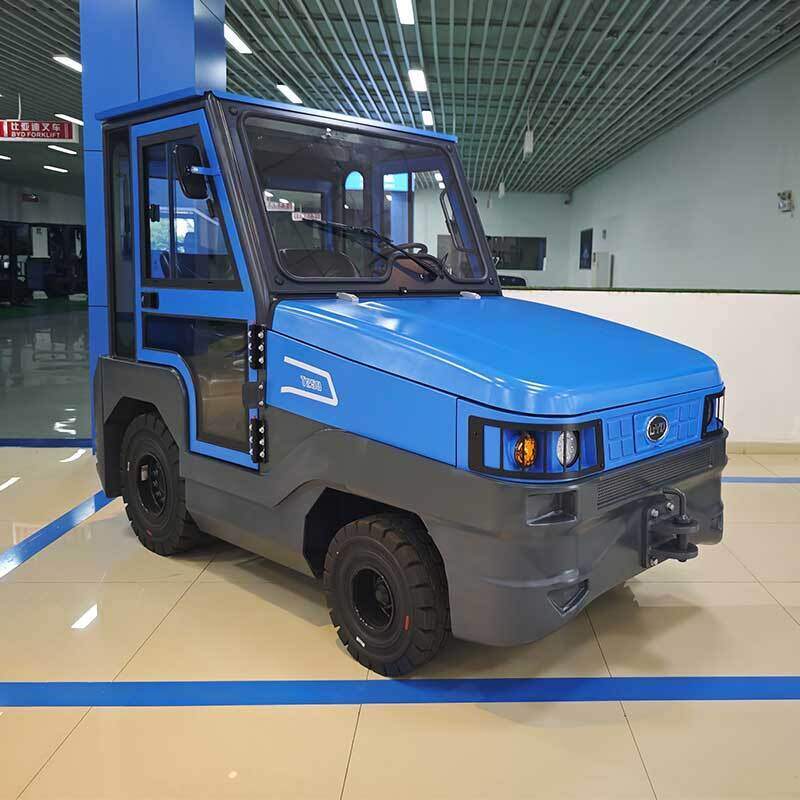
With the wide popularization of new energy material handling equipment in recent years, electric forklifts have replaced a large proportion of internal combustion forklifts in various industrial scenarios. Many operation and procurement teams of enterprises often have vague cognition on the usage difference between explosion-proof electric forklifts and standard electric forklifts, which may lead to improper selection or misuse, and bring hidden risks to on-site production safety.
The essential difference between the two types of products comes from the targeted protection design for different operation environments. The standard electric forklift adopts conventional protection treatment for its power battery, motor, controller and other electric components, and the surface temperature of the heat dissipation structure will rise to a certain range during long-time continuous operation. This design is fully adapted to the conventional non-hazardous industrial environment, but cannot meet the safety requirements of special environments with flammable and explosive media.
The first clear applicable scope for standard electric forklifts covers common normal temperature commodity storage warehouses, finished product assembly workshops with no volatile dangerous chemicals, ordinary logistics distribution centers and supermarket freight yards. Under these scenarios, there is no continuous accumulation of flammable gas, combustible dust or other explosive dangerous media in the working environment, and the regular daily maintenance of checking battery status, brake sensitivity and body operation stability can meet the safety production specifications. It is not necessary to configure explosion-proof modified equipment to avoid unnecessary cost increase.
The scenarios that must be equipped with explosion-proof electric forklifts refer to the working areas classified as hazardous locations according to industrial safety regulations, including the storage and distribution area of flammable chemical raw materials, production workshops using large amounts of volatile organic solvents, processing sites where a large amount of combustible dust such as flour, metal powder or wood dust may accumulate. All electric components, friction parts and high-temperature heat dissipation structures of explosion-proof electric forklifts have passed targeted protection treatment, which can effectively avoid the generation of open sparks or excessive high temperature that may ignite the surrounding dangerous media.
When defining the actual application boundary, enterprises should first carry out standardized safety grade division for different operation areas according to national safety regulations. It is not allowed to modify standard electric forklifts privately and put them into hazardous areas for use, which will greatly reduce the safety guarantee level of on-site operation. Regular safety performance inspection of corresponding equipment should be arranged according to the matching relationship between equipment and scenarios, which can not only control the comprehensive operation cost of material handling, but also effectively protect the personal safety of operators and the property safety of the whole work site.


