
 简体中文
简体中文 Русский
 Français
 Português
 Español
 لالعربية

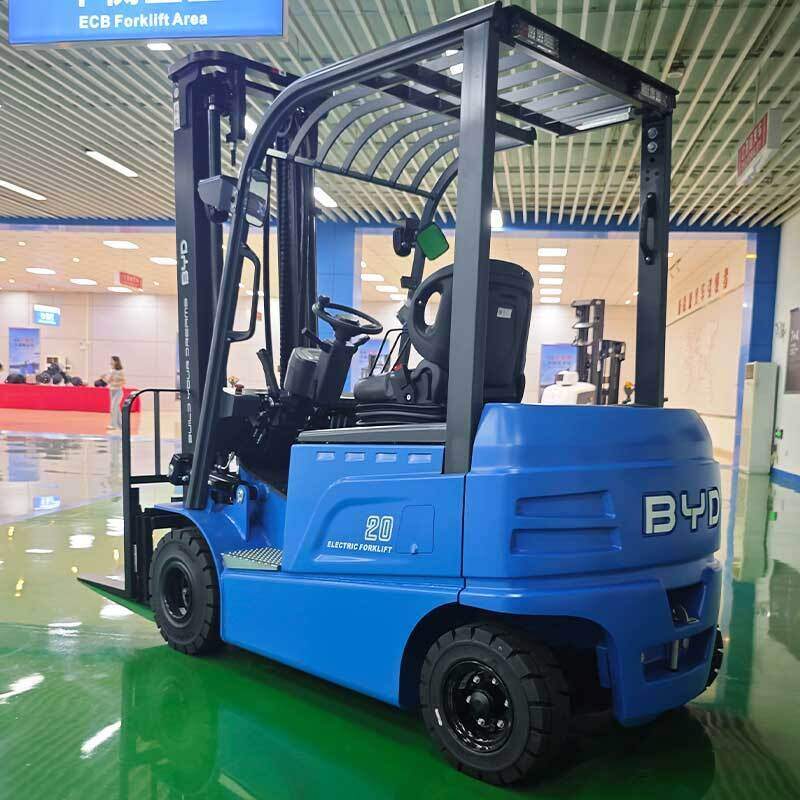
With the continuous development of low-carbon logistics systems, electric forklifts have become one of the most widely used material handling equipment in indoor storage, retail distribution and light industrial production scenarios in recent years. Unlike traditional internal combustion forklifts, electric forklifts operate with lower noise and zero local exhaust emission, which can better meet the environmental and occupational health requirements of enclosed work spaces.
Core Application Scenarios of Electric Forklifts
Most electric forklift models are designed with compact body structure, which can flexibly pass through narrow warehouse aisles and complete high-position stacking, cargo unloading and short-distance material transfer operations. For scenarios that require 6 to 8 hours of continuous operation per shift, users can select matched battery packs according to their actual daily working hours to arrange power supply plans reasonably. Most conventional electric forklifts are suitable for flat, solid ground with small slope, and are not recommended to be used in outdoor harsh environments with long-term exposure to rain or heavy dust, so as to avoid unnecessary damage to internal precision electrical components.
Standard Operation Norms for Electric Forklifts
Operators need to complete professional skill training before driving electric forklifts, and get familiar with the distribution of control levers, emergency stop buttons and real-time monitoring instrument panels in advance. Before each official operation, personnel need to check the remaining power of the equipment, the flexibility of the braking system and the wear condition of the fork parts, and do not carry out overload operation beyond the rated load range marked on the equipment nameplate. When the equipment is running, operators need to keep the driving speed stable in narrow spaces, and avoid sharp steering to prevent the loaded goods from falling off accidentally.
Practical Daily Maintenance Tips
Routine maintenance of electric forklifts focuses on the inspection and maintenance of power systems and electrical components. Users need to arrange special personnel to clean the dust on the surface of the equipment regularly, check the connection state of the battery interface every week, and avoid long-term full power or zero power storage of the battery pack, which can effectively extend the overall service life of the equipment. Doing a good job in standardized use and maintenance can help enterprises reduce the comprehensive operation cost of material handling, and obtain more stable long-term use performance.


