
 简体中文
简体中文 Русский
 Français
 Português
 Español
 لالعربية

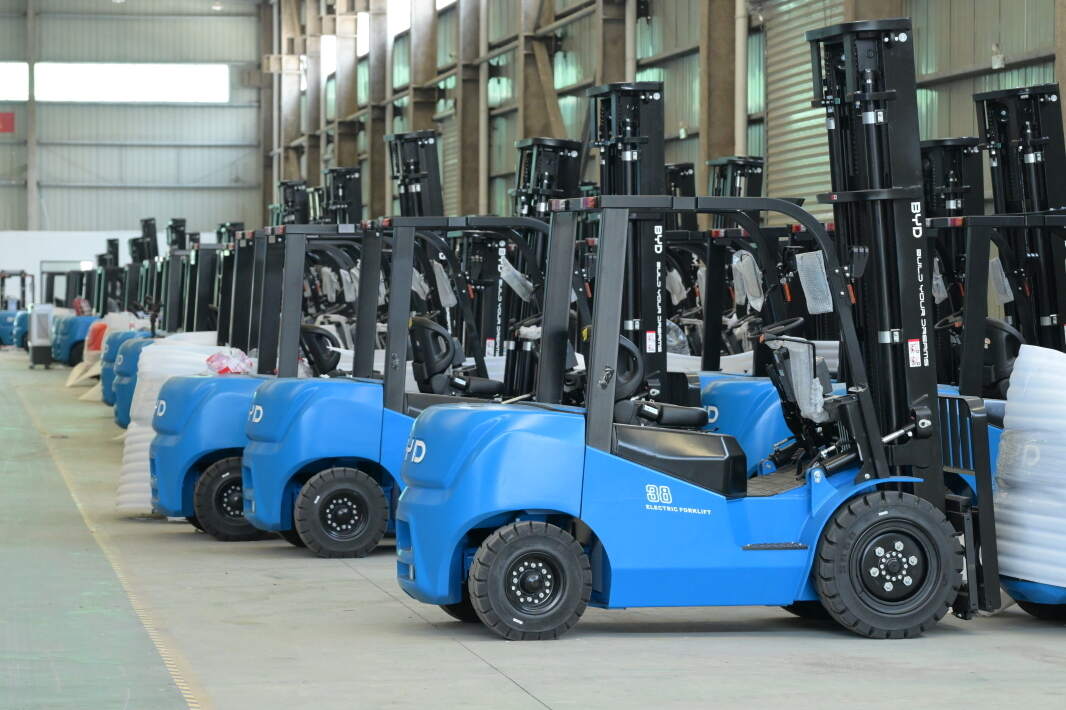
When you select walk-behind electric pallet jacks for small to medium daily material handling scenarios, the first thing to avoid is choosing a product only according to the lowest quoted price, as mismatched parameters will bring hidden risks to operation safety and long-term usage efficiency. Reasonable check on core functional attributes can help you filter out unsuitable options quickly, and get equipment that perfectly matches your actual operation demand with proper cost input.
The first core attribute you need to check is the rated load capacity, which should match the maximum weight of regular cargo you need to move in daily operations. You need to leave 10% to 15% of redundant load space instead of selecting a product whose rated capacity is exactly equal to your maximum cargo weight, so that the equipment can operate stably even under occasional overloaded usage scenarios, and extend the service life of the driving motor and load bearing structure. You also need to check the fork size, confirm that the fork width and length fit the size of standard pallets you use in daily work, so as to avoid the situation that the fork cannot be inserted into the pallet smoothly.
The second core attribute to evaluate is the battery performance and continuous working duration. For scenarios that only need 3 to 4 hours of handling work per shift, you can choose standard lead-acid battery configurations with lower upfront cost, while for scenarios that need to operate 8 hours continuously without charging interruption, the lithium battery configuration with fast charging support is a more cost-effective choice in long-term usage. You also need to check the battery compartment design, to confirm whether users can replace the spare battery quickly without the help of professional tools, which can reduce the waiting time caused by unexpected power depletion during peak operation hours.
The third core attribute refers to the operation ergonomics and basic safety configurations. First check the height of the operating handle, confirm that it can be adjusted to fit operators of different heights, to avoid long-term handling work causing unnecessary strain on the operator's waist and arms. Then check the safety configurations including emergency reverse button, automatic deceleration function when turning, and anti-slip protection on the fork surface, these basic configurations can effectively reduce the occurrence of operation accidents in narrow warehouse passages.
The last attribute you need to verify is the post-maintenance convenience. You can check the accessibility of common wearing parts including driving wheels, load rollers and control buttons, to make sure you can get replacement parts in short supply cycle, and avoid long term equipment shutdown caused by unavailable accessories. A product that matches all above attributes can bring stable, low-cost daily handling experience for your logistics scenarios, and bring positive return on investment in long term operation.


