
 简体中文
简体中文 Русский
 Français
 Português
 Español
 لالعربية

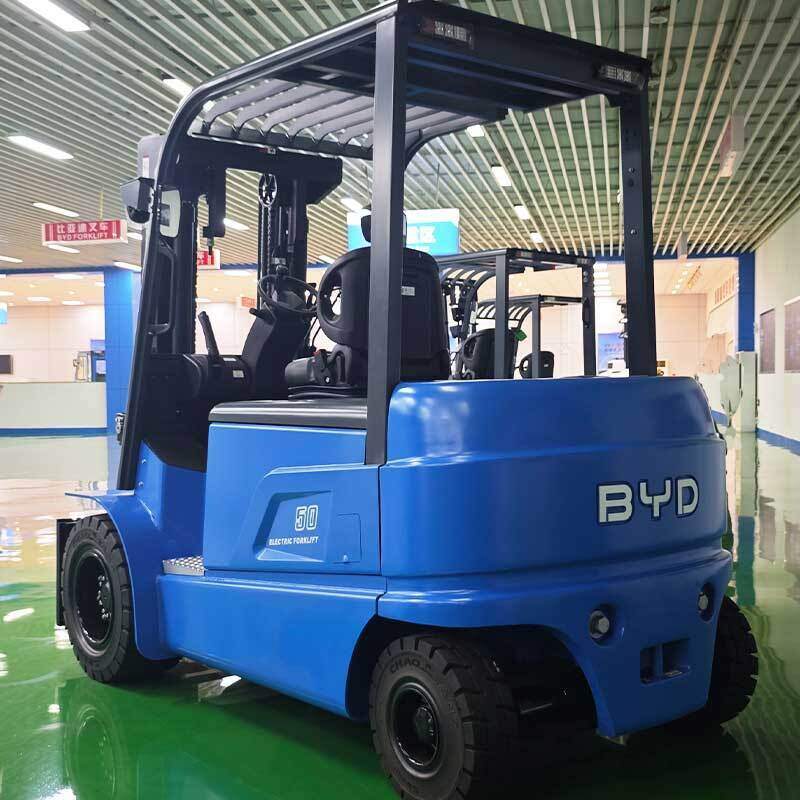
Many frontline warehouse operators often form habitual but wrong cognition on the load-lifting limits of compact electric pallet trucks in daily use, which may easily lead to potential safety hazards, abnormal equipment wear and even unexpected operation accidents that reduce overall handling efficiency.
The first most common misunderstanding is that users usually equate the marked maximum load capacity with the total weight that the equipment can carry under all working conditions. In fact, the nominal load-lifting limit is tested under standard flat, solid ground, normal ambient temperature and brand new equipment state with full power supply. When the operation scenario involves sloped ground, aged battery with reduced output, or lifting mechanism that has not been maintained for months, the actual safe load the equipment can stably support will be lower than the nominal marked value. Operators who ignore this change are very likely to encounter situations that the truck cannot push forward smoothly, or the lifting fork slides down accidentally in the moving process.
The second widespread misunderstanding is that users believe the load can be stacked at a higher position than the standard lifting height to carry heavier goods. Many operators try to place over-weight goods on higher stacked pallets to make the lifting operation go through smoothly, but the center of gravity of the whole load will shift upward beyond the stable balance range of the equipment during the moving process, which may cause side slip of goods or even tilt of the truck itself, threatening the personal safety of surrounding staff.
The third wrong cognition is that overloaded operation for a very short distance will not cause damage to the equipment. Many operators carry goods 10% to 20% heavier than the marked limit for transshipment within dozens of meters to save extra operation steps, but long-term cumulative overloaded use will cause irreversible wear to the drive motor, lifting hydraulic cylinder and load wheel set, greatly shortening the overall service life of the equipment.
To avoid these misunderstandings, all frontline operators need to read the official operation manual carefully before using the compact electric pallet truck, check the actual load weight of goods before each lifting operation, confirm the ground condition of the operation route, and arrange regular maintenance for the equipment at specified intervals. These measures can ensure the safe and efficient operation of the compact electric pallet truck in daily material handling scenarios.


