简体中文
 Русский
 Français
 Português
 Español
 لالعربية


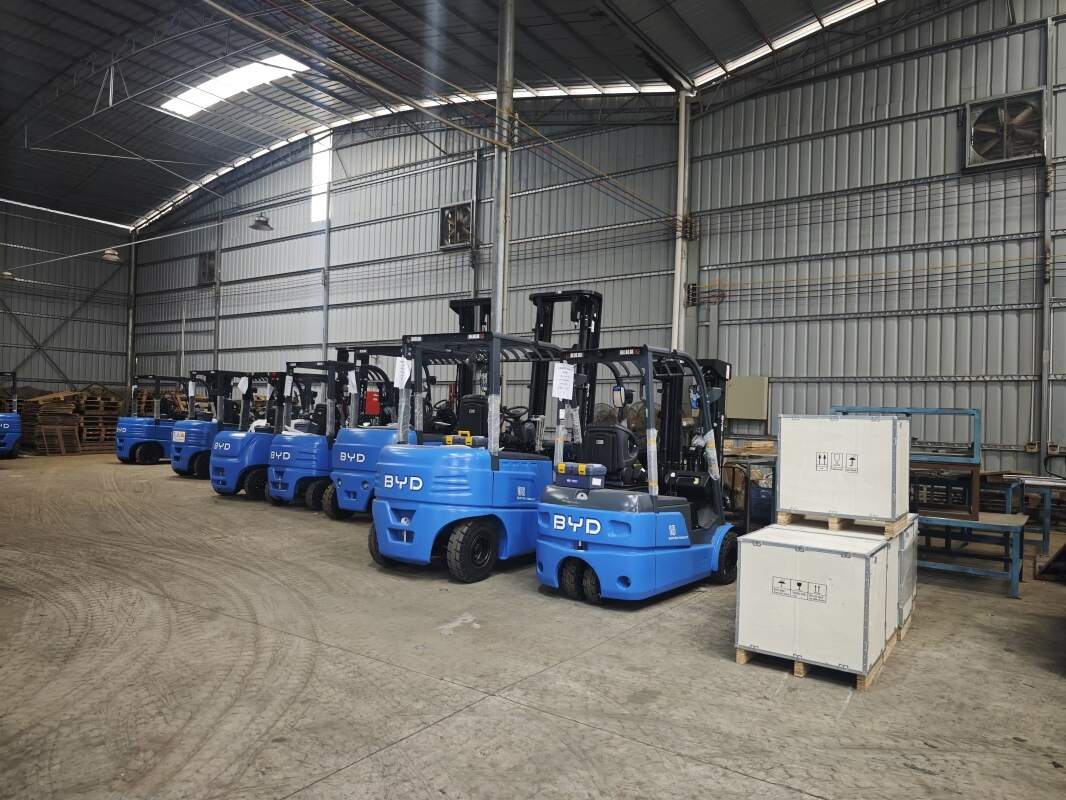
In recent years, the rapid development of ports, agricultural processing parks, manufacturing warehouses and retail logistics networks in Senegal has brought growing demand for stable, cost-effective material handling equipment. Many local operators are looking for feasible ways to optimize long-term operating expenses, and four-wheel electric forklifts have gradually become a popular choice for cost control solutions, with savings reflected in multiple practical operation dimensions.
The first and most intuitive source of savings comes from daily energy consumption expenditure. Influenced by multiple factors, local diesel prices have shown obvious fluctuation in recent years, which makes the operation cost of traditional internal combustion forklifts difficult to predict and control. Four-wheel electric forklifts run on stored electricity, and with the popularization of local photovoltaic power supporting facilities, the unit energy cost per working hour is at a relatively stable low level, which can help operators lock in energy expenditure within a predictable range even for high-frequency working scenarios.
The second obvious saving comes from daily maintenance and fault loss control. Four-wheel electric forklifts do not have complex internal combustion structures such as fuel oil circuits, exhaust processing systems and transmission components that need frequent maintenance. There is no need to carry out regular operations such as engine oil replacement, filter element update and carbon deposition cleaning that are necessary for internal combustion equipment, the number of spare parts that need to be replaced regularly is greatly reduced, and the labor time required for maintenance work is also significantly shortened. This can effectively reduce the annual maintenance budget, and also reduce the unexpected downtime loss caused by sudden failure of complex internal combustion structures.
There are also hidden savings from local policy adaptation and scenario matching. In recent years, Senegal has launched a series of support policies for green logistics and low-carbon operation, and eligible operating entities can apply for corresponding green development subsidies when using zero-emission material handling equipment. The zero-emission and low-noise attributes of four-wheel electric forklifts do not require additional investment in waste gas transformation and noise reduction for closed warehouses or densely populated working areas, which also helps to avoid additional compliance costs.
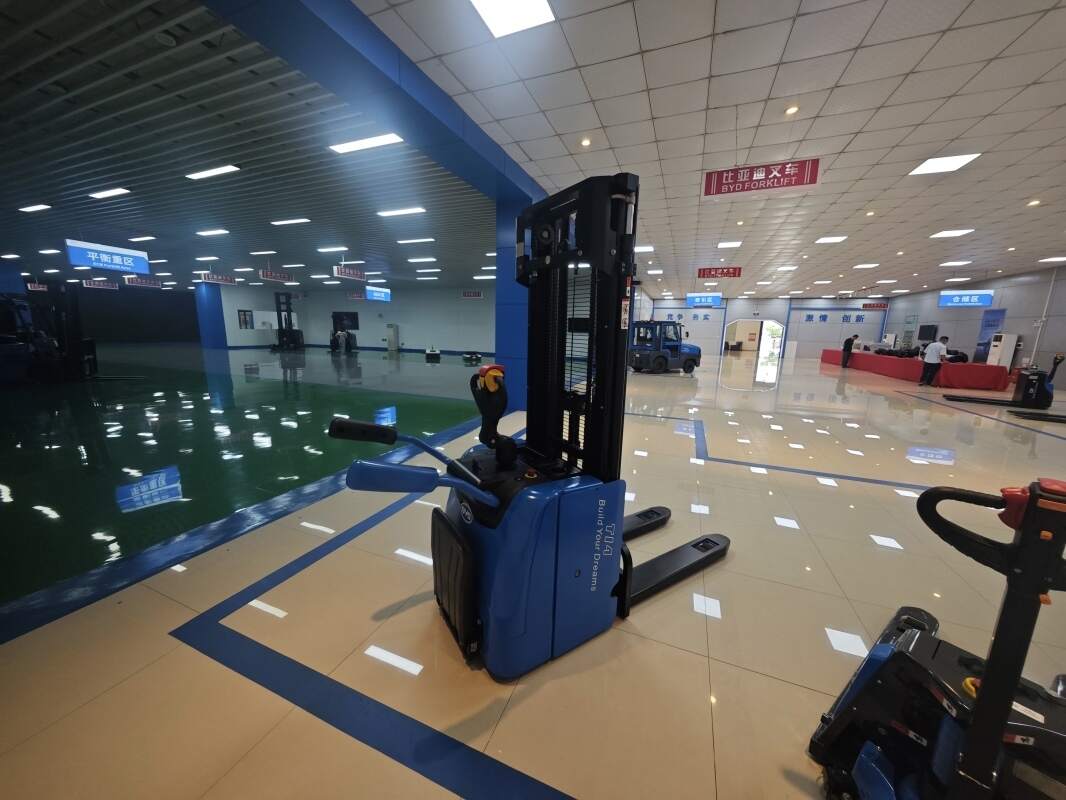
As Jianshu New Energy, we focus on BYD electric forklifts, and provide targeted supporting operation plans for local users in Senegal, with a complete local after-sales response system to help users clarify the cost saving space matching their own working conditions. If you have related consultation demands, you can send an email to [email protected] for further communication.