
 简体中文
 Русский
 Français
 Português
 Español
 لالعربية


In recent years, with the steady growth of Niger’s logistics, agricultural product processing and port warehousing sectors, counterbalance forklifts have become one of the most widely used core material handling equipment for local enterprises. For most operation managers, accurate calculation of hourly energy cost of counterbalance forklifts is a core part of controlling overall operating expenditure, which helps to arrange daily operation plans more reasonably and avoid unnecessary resource waste.
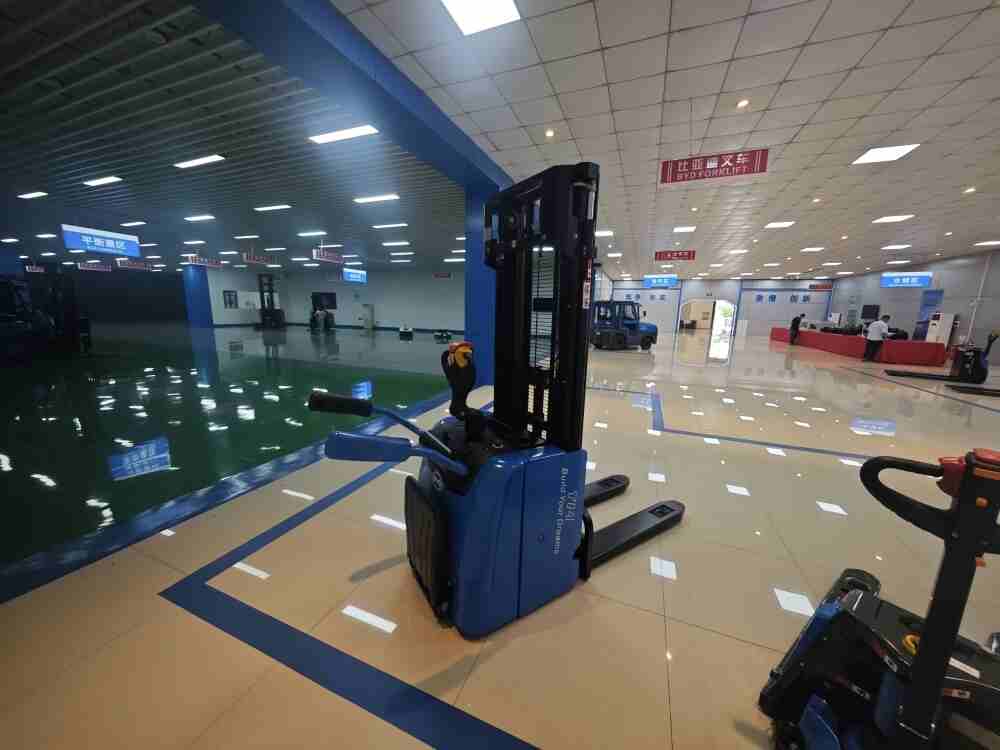
When calculating the hourly energy cost of electric counterbalance forklifts, we need to combine the actual local grid tariff level and typical working conditions in Niger. For standard 2 to 3.5 ton load capacity counterbalance forklifts operating under conventional mixed working scenarios that include cargo lifting, short-distance transfer and idle waiting, the actual power consumption per working hour stays in a stable and predictable range, and the overall cost per hour is far lower than the operation cost of traditional fuel-powered counterparts, while the cost fluctuation is almost unaffected by the global fuel price swing that is common in the local market.
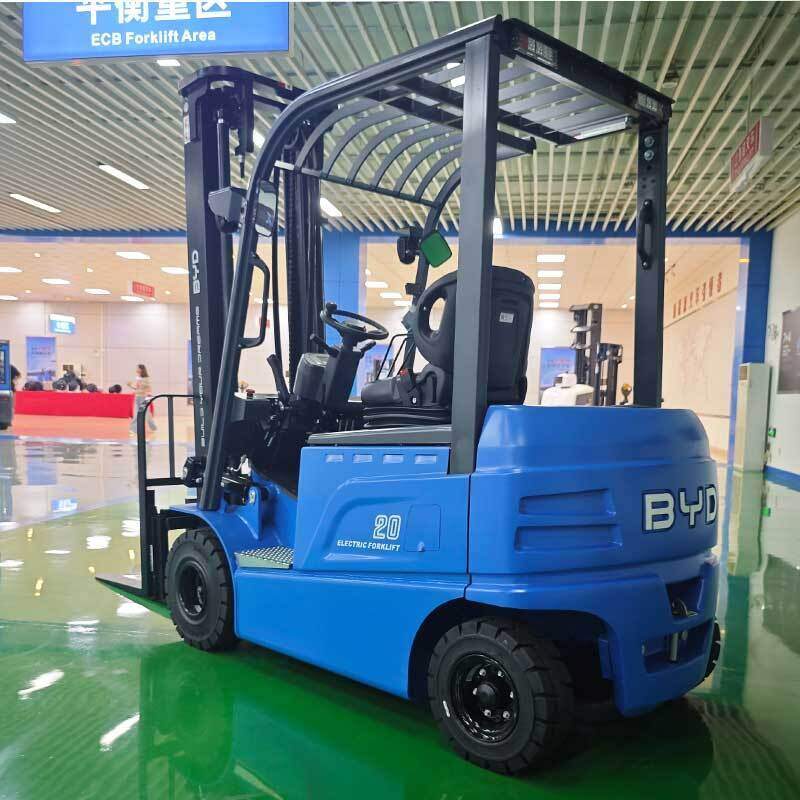
There are several key factors that will cause slight fluctuation of hourly energy cost. First, the actual load rate during operation: if the forklift keeps working with full rated load for a long time, the power consumption will rise moderately compared with working under 50% load. Second, the working ambient temperature: Niger is located in tropical area, the high temperature in dry season will bring certain influence to the energy consumption of the power system, regular maintenance of the heat dissipation system can effectively stabilize the energy consumption level. Third, the operation habits of the driver: smooth acceleration and deceleration operation can effectively reduce unnecessary power loss, thus cutting the hourly energy cost.
Local enterprises can also take targeted measures to further optimize energy cost, such as arranging charging during off-peak electricity price periods, planning operation routes in advance to reduce no-load driving distance, and arranging regular routine inspection for the power system. As Jianshu New Energy, we focus on BYD electric forklifts and provide localized operation support services for customers in Niger and surrounding West African regions. We can provide targeted energy cost assessment schemes according to the actual working conditions of different enterprises, to help customers build more cost-effective material handling operation systems. If you have related demands for forklift energy cost calculation and operation optimization, you can send emails to [email protected] for further consultation and customized service plan.


