
 简体中文
 Русский
 Français
 Português
 Español
 لالعربية


For retail warehouses of all sizes, the forklift is one of the most frequently used core logistics equipment that directly influences daily operation efficiency, staff safety and long-term operating cost. Many operation teams tend to only focus on basic load capacity when selecting forklifts, while ignoring multiple hidden requirements that match actual operation scenarios, which will lead to frequent use problems and extra unplanned cost later.
First of all, stable and sustainable load performance is the fundamental requirement. Retail warehouses usually deal with goods of different specifications, from bulk packaged daily commodities to stacked carton goods for e-commerce order picking. A qualified forklift should keep stable lifting and moving performance within its rated load range, no obvious jitter during high position operation, and no attenuation of power output even after long hours of continuous shift work, to support the normal progress of cargo incoming, outgoing and inventory sorting work.
Second, complete operation safety configuration is an indispensable core indicator. Most retail warehouses are densely stacked with goods, with narrow passageways and frequent pedestrian flow. The forklift should be equipped with full set of safety auxiliary designs, including stable anti-slip braking system, clear 360-degree operation vision reminder, automatic speed limiting function in narrow passages, and overload protection alarm, to effectively reduce the risk of collision, cargo tipping and accidental injury, creating a safer working environment for all on-site staff.
Third, site adaptability and low operation noise are key points for long-term use. A large part of retail warehouses are semi-enclosed or fully enclosed indoor spaces, some of which are connected with public shopping area or staff rest area. The forklift should maintain low noise level during operation, will not generate excessive exhaust emission, and can adapt to different ground materials such as hardened cement floor and non-slip floor tile, without causing extra damage to the ground surface. The flexible body design can also smoothly pass through narrow conventional passageways, to make full use of the limited warehouse storage space.
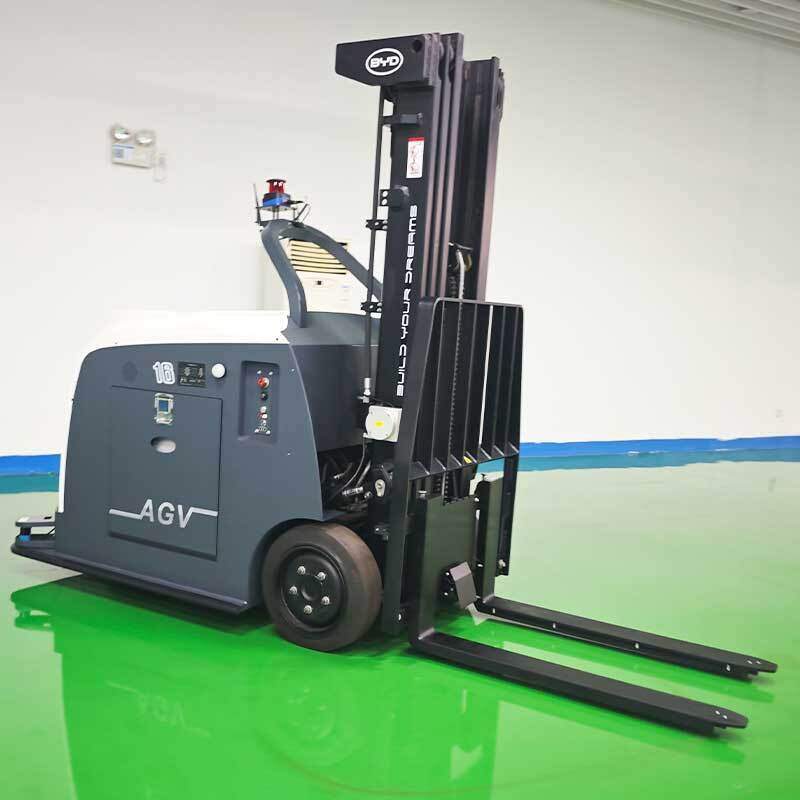
Fourth, low total operation cost and convenient daily maintenance can bring more long-term value. Apart from the initial purchase cost, the subsequent energy consumption cost, wearing part replacement cost and after-sales maintenance response efficiency will occupy a large proportion of the whole life cycle cost of the equipment. A suitable forklift for retail warehouse scenarios should have low daily energy consumption, long service life of core components, and clear and convenient maintenance process, to reduce extra hidden cost for the operation team.
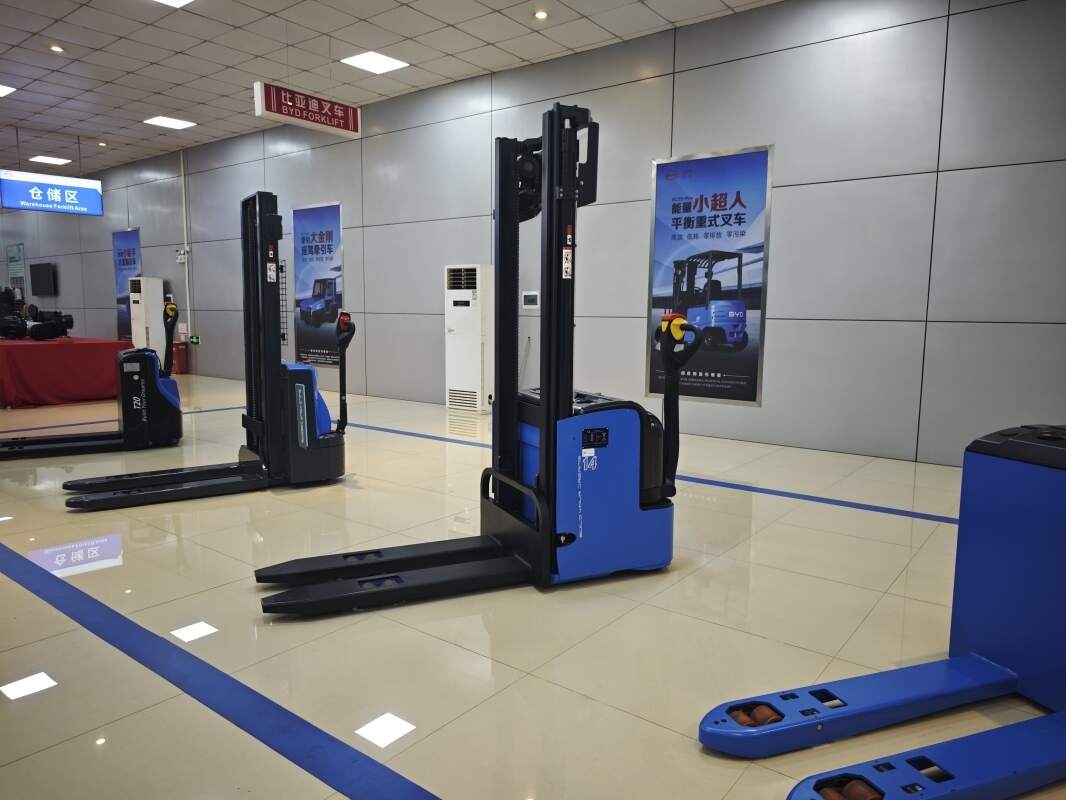
As a professional provider focusing on high quality electric forklift products, Jianshu has rich experience in matching equipment solutions for different retail warehouse scenarios. If you have relevant demand for forklift configuration and selection consultation, you can contact us via [email protected] at any time, and our professional team will provide you with targeted support.


