
 简体中文
简体中文 Русский
 Français
 Português
 Español
 لالعربية

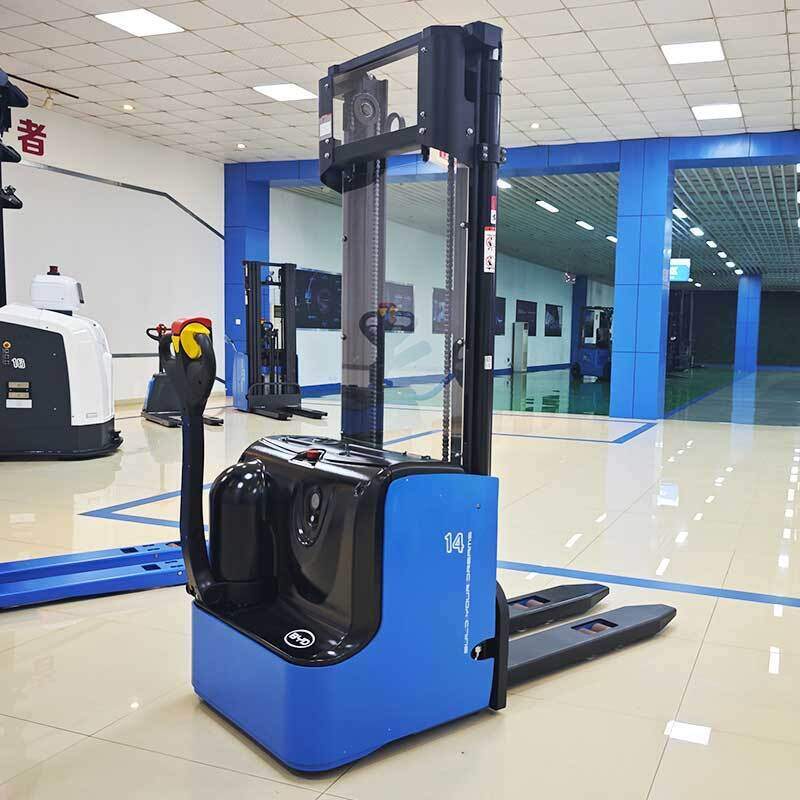
As lithium forklifts are increasingly widely applied in modern warehouse scenarios, completing standard pre-operation preparations is the core premise to guarantee personal safety, reduce equipment wear and improve overall operation efficiency. All warehouse staff who are assigned to operate lithium forklifts need to strictly follow the specified process to finish relevant preparation work, which can effectively avoid unnecessary operation risks.
The first key preparation part is the full equipment function and safety inspection. Before starting the lithium forklift, staff should walk around the whole vehicle first to check the outer body condition, confirm there is no obvious structural deformation, damage to the guard frame, and abnormal wear of the tire sets. Then operators need to check the status of the lithium battery assembly, confirm the connection parts are fastened, no abnormal leakage or overheating traces on the battery shell, and the remaining power display can work normally. After that, staff need to test the brake system, lifting and tilting function of the goods fork, warning lights, and horn, to make sure all core functional components can respond properly. If any abnormal condition is found during the inspection, staff should report to the management department in time, and do not start the equipment for operation without permission.
The second preparation part is personal protection and operation parameter confirmation. Before getting on the vehicle, staff should confirm they have worn the qualified labor protection supplies including non-slip work shoes and close-fitting work uniform, remove all hanging accessories that may be hooked by the moving parts of the forklift. Operators also need to double check the rated load parameter of the corresponding lithium forklift, confirm the weight of the goods to be handled does not exceed the allowable load range of the equipment, and get familiar with the passage width limit and storage height limit of the assigned operation area.
The third preparation part is the working environment and operation scene verification. Staff need to patrol the designated operation route in advance, clear the scattered sundries, sharp obstacles on the ground, and confirm there is no accumulated water that may affect the normal operation of the lithium battery assembly. Operators also need to confirm no irrelevant personnel stay in the operation area, the emergency access is not blocked, and reasonably plan the traveling route for goods picking and unloading to avoid frequent cross movement with other working equipment. After all the above preparations are completed, staff can finish the corresponding pre-use check registration as required, and start the lithium forklift to carry out formal operation work.


