
 简体中文
 Русский
 Français
 Português
 Español
 لالعربية


For manufacturing plant managers, stable, efficient and compliant material handling is one of the core prerequisites to ensure smooth operation of all production links. As the market demand for green and low-carbon operation keeps rising, electric forklifts have gradually become the preferred handling equipment for most manufacturing scenarios, and there are multiple key points worth attention for plant managers in the process of selecting, deploying and using such equipment.
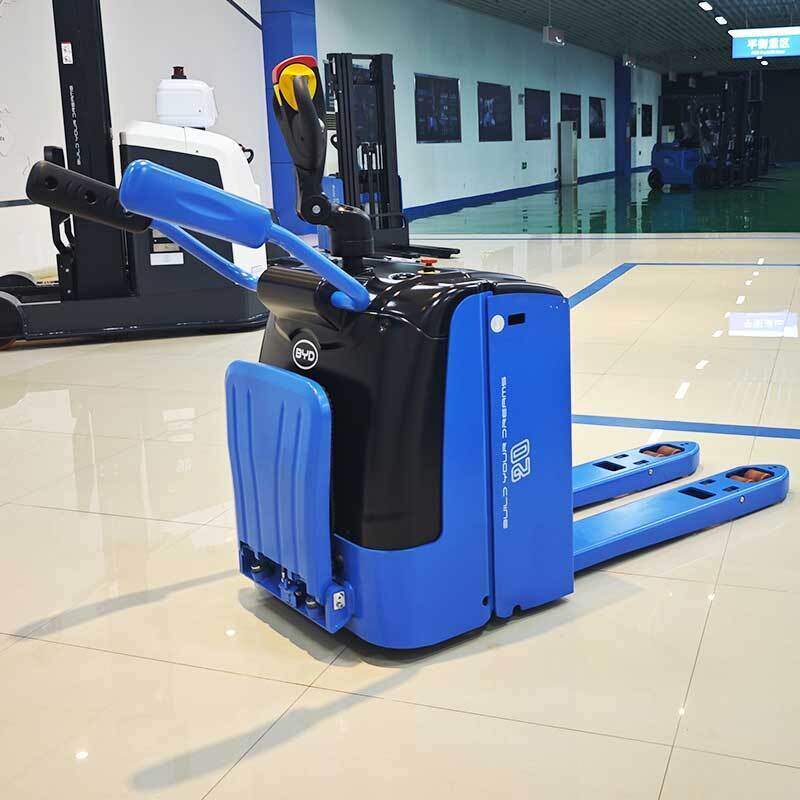
First of all, it is necessary to establish a correct cognition of total operation cost. Many decision-makers will only focus on the initial procurement cost in the early stage of equipment selection, but ignore the long-term operating expenditure difference between different types of forklifts. Electric forklifts do not need frequent replacement of engine oil, filter elements and other vulnerable parts like internal combustion forklifts, and their daily energy consumption cost is far lower than the fuel cost of traditional fuel equipment. For manufacturing plants that run 8 to 12 hours of high-frequency operation every day, the long-term cost advantage of electric forklifts will gradually show up after a short running-in period.
Second, electric forklifts can better meet the compliance requirements of modern manufacturing workshops. Most production workshops and internal storage areas are semi-enclosed or fully enclosed spaces, and electric forklifts produce no exhaust emission during operation, which will not cause adverse impact on the air quality in the workshop, and effectively protect the occupational health of frontline workers. In addition, the operating noise of electric forklifts is much lower than that of fuel forklifts, which can reduce the overall noise pollution of the working environment, and help create a more comfortable working scene for employees on the production line.
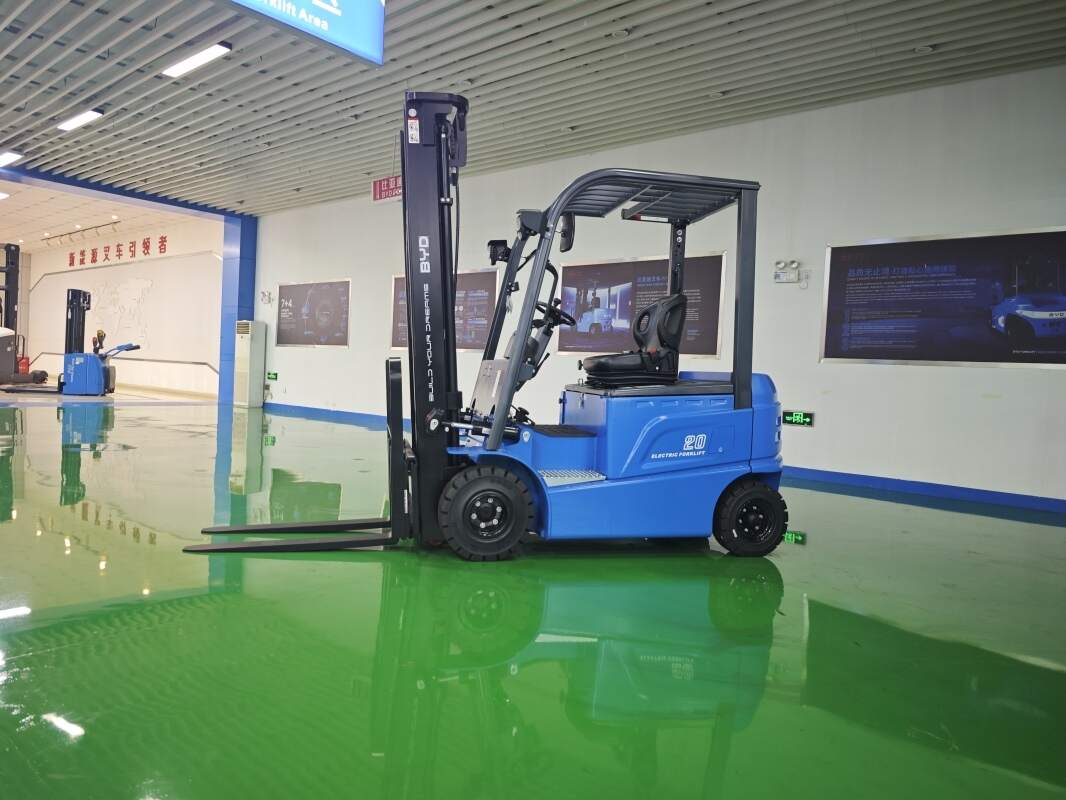
Third, standardized daily management can maximize the use value of electric forklifts. Plant managers can arrange relevant operation training for frontline operators, popularize correct charging and operation specifications, and guide the team to complete the energy replenishment work during the low electricity price period, which can further reduce the energy cost of equipment operation. It is also recommended to arrange regular routine inspection of core systems such as power system, braking system and cargo handling system, to eliminate potential safety hazards in time and ensure the high attendance rate of equipment in peak production period.
As a professional supplier focusing on BYD electric forklifts, Jian Shu New Energy can provide customized supporting solutions for different manufacturing plant scenarios. If you have related demands for consultation and scheme communication, you can send an email to [email protected] to contact our team.


