简体中文
 Русский
 Français
 Português
 Español
 لالعربية


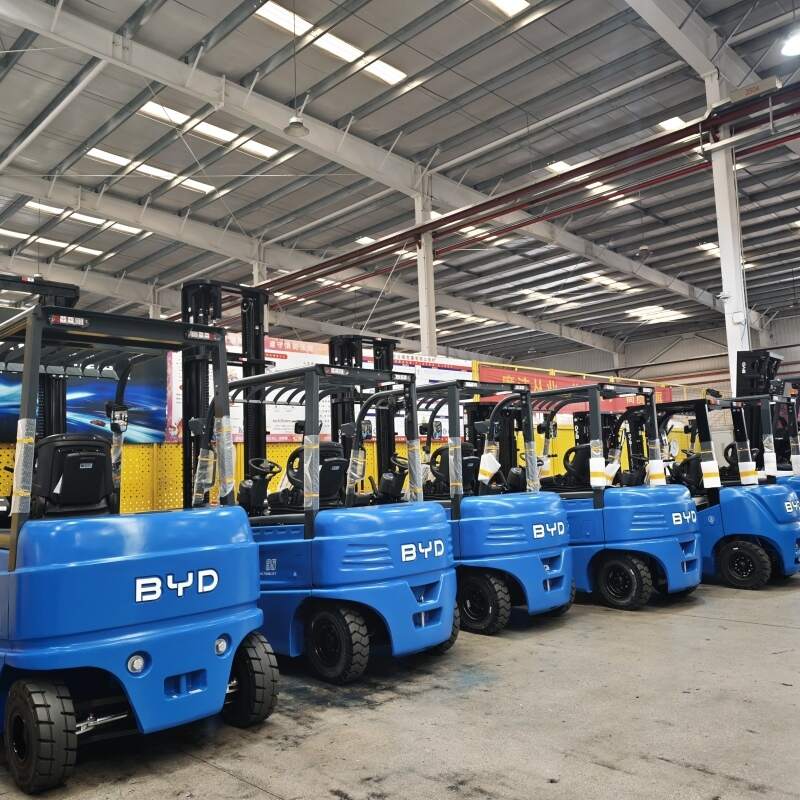
For manufacturing plant managers, optimizing intra-factory material handling efficiency, controlling long-term operational costs and reducing workplace safety risks are always core priorities in daily operation management. Traditional internal combustion forklifts or lead-acid forklifts often bring hidden troubles such as high fuel consumption, frequent maintenance requirements, harmful exhaust emissions and long charging waiting periods, which can not fully match the high-frequency, continuous operation demand of most modern manufacturing plants.
First, plant managers need to clarify actual operation scenarios of the factory to select appropriate lithium forklift specifications, and avoid blindly pursuing excess load capacity that brings unnecessary cost waste. For most ordinary manufacturing workshops, standard lithium forklifts with load capacity from 1.5 ton to 3.5 ton can meet the demand of raw material transportation, semi-finished product transfer, finished product storage and other daily tasks. The core practical advantage of lithium forklifts compared with lead-acid counterparts lies in their stable fast charging feature: operators can complete 2 to 3 hours of supplementary power during work breaks, no need to wait for 8 to 10 hours of full charging after the shift, which greatly reduces the idle time of equipment.
Second, it is necessary to formulate targeted lithium forklift operation and maintenance specifications for the on-site team. Unlike lead-acid forklifts that need regular water addition and electrode cleaning, lithium forklifts only need regular appearance inspection, tire pressure check and brake system debugging, which reduces the daily maintenance workload by over 60% under normal use conditions. It is also suggested to arrange special personnel to manage the charging area, avoid overcharging or using unqualified charging equipment, and regularly organize operation teams to carry out lithium forklift safety operation training to eliminate improper operation behavior.
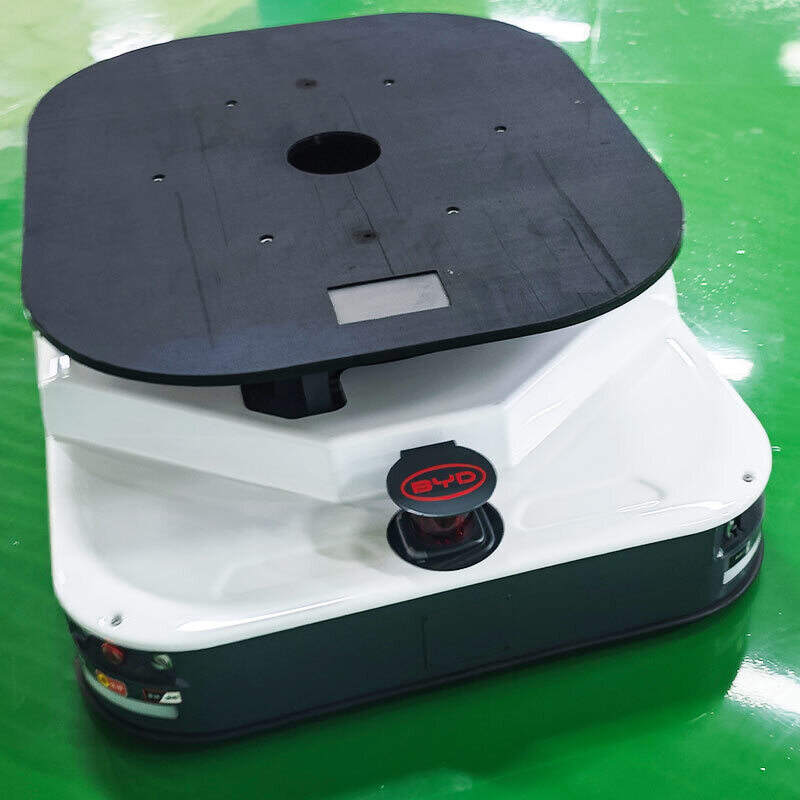
Third, plant managers need to calculate the full life cycle cost of lithium forklifts instead of only paying attention to the initial purchase cost. Although the initial input of lithium forklifts is slightly higher than that of traditional lead-acid forklifts, the lower power consumption, less maintenance cost and longer service life can help the manufacturing plant recover the extra input in 2 to 3 years of actual use, and effectively reduce the comprehensive logistics operation cost.
As a professional new energy enterprise, we are Jian Shu New Energy, focusing on BYD electric forklift related services, providing full-scenario matching solutions for different manufacturing plant operation demands. If you have related consultation demands, you can contact us via email at [email protected] for more customized support.