简体中文
 Русский
 Français
 Português
 Español
 لالعربية


Food and beverage facilities have unique operational demands that differ from general industrial warehouses, since all on-site material handling processes must strictly align with hygiene, food safety, operational continuity and low pollution requirements, setting relatively high thresholds for logistics equipment used in production and storage zones. Many facility managers are now optimizing their on-site logistics equipment configuration by introducing lithium forklifts, and there are several core practical points they need to clarify first to make the most of the equipment advantages.
First, hygiene and compliance performance. Unlike fuel-powered equipment that may produce exhaust fumes, lithium forklifts produce zero on-site emissions during the whole operation process, which avoids the risk of volatile contaminants contacting unpackaged food raw materials, semi-finished products or finished beverage products. The sealed power structure of lithium forklifts also eliminates the leakage risk of acidic electrolyte that exists in traditional lead-acid equipment, so it will not cause hidden contamination to ground, packaging and stored goods even in the event of minor accidental equipment failure. This feature makes lithium forklifts fully meet the basic food safety requirements of most standard food and beverage production and storage facilities.
Second, operation continuity applicable to frequent shift work. Most food and beverage facilities run 2 to 3 shifts every day during peak production seasons, and lithium forklifts support opportunity charging during short rest breaks of 15 to 30 minutes, which eliminates the long charging waiting period and heavy battery replacement work required by lead-acid products, effectively ensuring smooth operation of the whole production and logistics chain without unnecessary downtime.
Third, long-term cost control in the whole service cycle. Lithium forklifts have relatively lower daily maintenance needs, no regular parts replacement related to fuel supply or electrolyte replenishment, which can effectively reduce long-term operation input for facility managers. In addition, the low noise design of lithium forklifts also creates a more comfortable working environment for on-site operators, and avoids noise interference to peripheral staff who are engaged in food quality inspection and other precision work.
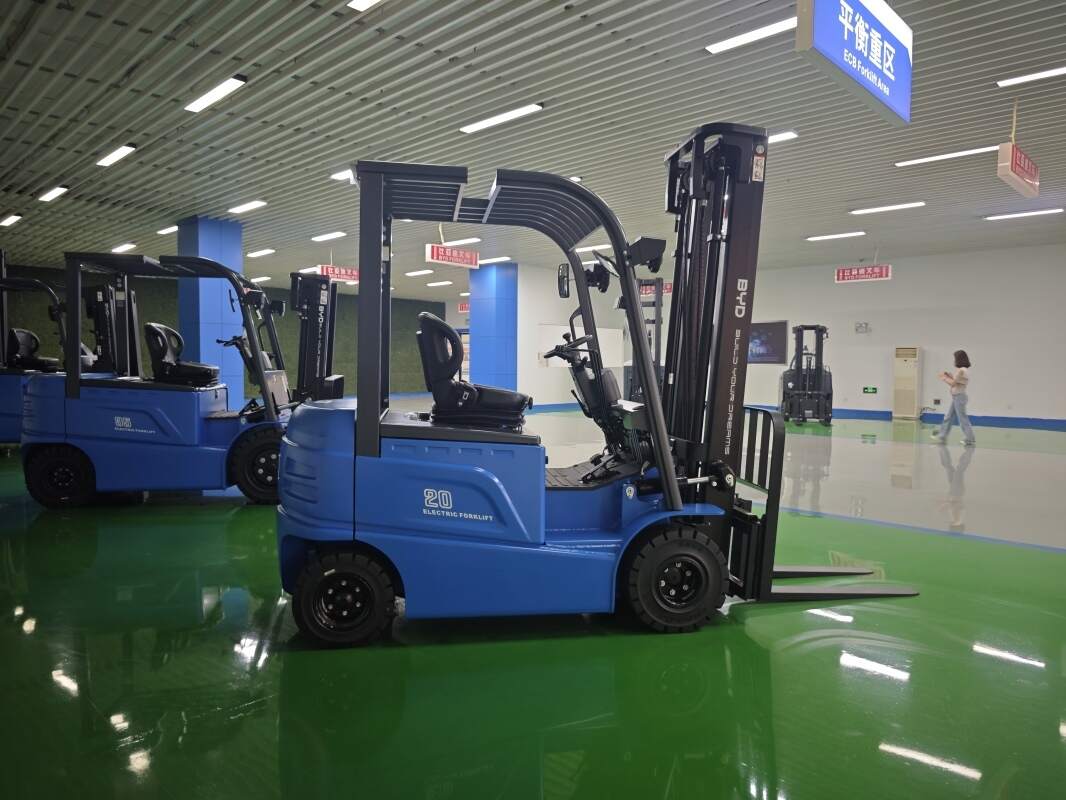
As a professional supplier focusing on electric forklift solutions, we are Jianxin New Energy, we focus on high-quality BYD electric forklift products that fully meet the special operation demands of food and beverage scenarios. If you have relevant consultation demands, you can contact us via the email address [email protected].