
 简体中文
简体中文 Русский
 Français
 Português
 Español
 لالعربية

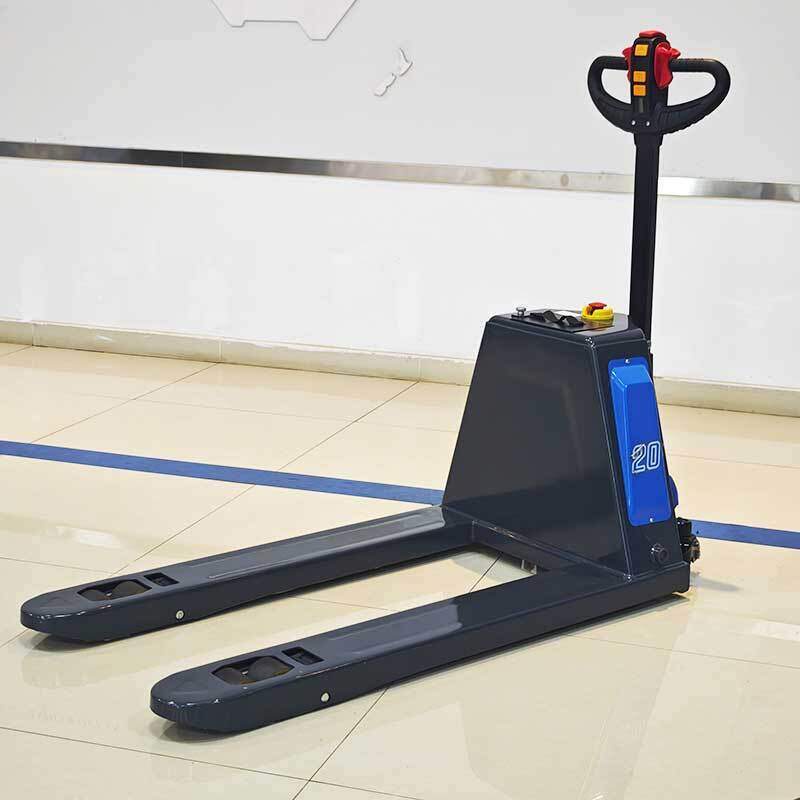
Electric forklifts have become one of the most widely applied logistics equipment in modern warehousing, manufacturing and distribution industries, thanks to their low noise level, zero on-site emission and relatively low long-term operation cost. For frontline operators and equipment managers, mastering standardized operation and scientific management knowledge can effectively reduce unnecessary wear, lower hidden safety risks and bring stable performance output during long-term use.
Core Operation Safety Guidelines for Daily Use
Before starting any shift, operators need to complete a full pre-operation check, covering tire pressure, brake sensitivity, lifting chain tightness, warning light function and remaining battery level. It is not allowed to carry loads that exceed the rated load capacity of the equipment, and operators should keep the load centered on the forks to avoid tilting or falling of goods during moving. When driving in narrow warehouse aisles, staff should keep a proper safe distance from surrounding storage racks, personnel and other logistics equipment, and reduce driving speed when turning or passing areas with sight obstacles. After finishing daily operation, operators need to park the equipment in designated areas, lower the forks to the ground completely, cut off the power supply and pull up the hand brake properly.
Routine Maintenance Points to Extend Equipment Service Life
The battery, as the core power component of electric forklifts, needs regular check on the tightness of connection terminals and the electrolyte level for lead-acid batteries within the specified maintenance cycle. Overcharging or deep discharging for a long time should be avoided, which may cause irreversible damage to the battery core. For the walking motor and lifting hydraulic system, staff should regularly check the sealing performance of hydraulic pipelines, clean the dust and debris accumulated on the motor heat dissipation structure, and replace the lubricating oil of moving parts according to the specified schedule. Timely removal of tiny faults found in daily check can effectively avoid larger equipment breakdown that may cause unplanned downtime.
Efficiency Optimization Tips for Different Working Scenarios
In high-frequency turnover distribution centers with large daily handling volume, managers can arrange the operation routes reasonably according to the load weight and operation distance, reduce unnecessary repeated driving paths, and allocate equipment shifts properly to avoid long-time idle of equipment. In cold storage working scenarios, operators can follow the equipment manufacturer’s operation specification to preheat the power system for a proper period before starting formal work, which can stabilize the equipment performance in low temperature environment and reduce the probability of sudden failure. All relevant operation and management actions need to follow official operation specifications, to ensure the whole application process is safe, stable and efficient.


