简体中文
 Русский
 Français
 Português
 Español
 لالعربية


In recent years, with the steady development of warehousing, logistics, port transfer and small manufacturing sectors in South Sudan, the demand for safe and efficient material handling equipment has kept growing. Many local enterprise operators used to judge equipment purchase decisions only by the initial procurement price, while ignoring the total cost of ownership covering the full lifecycle of the equipment, which easily leads to higher hidden expenditure in long-term operation.
The total cost of ownership of electric stackers can be divided into three core parts in South Sudan’s local market scenario. The first part refers to the upfront procurement input, including the purchase cost of the main equipment, necessary supporting charging facilities, and operator safety training. Though the upfront input of electric stackers is slightly higher than that of traditional internal combustion stackers, there is no need to configure special fuel storage and anti-leakage facilities that meet local safety regulations, which can offset part of the extra expenditure in the preparation stage.
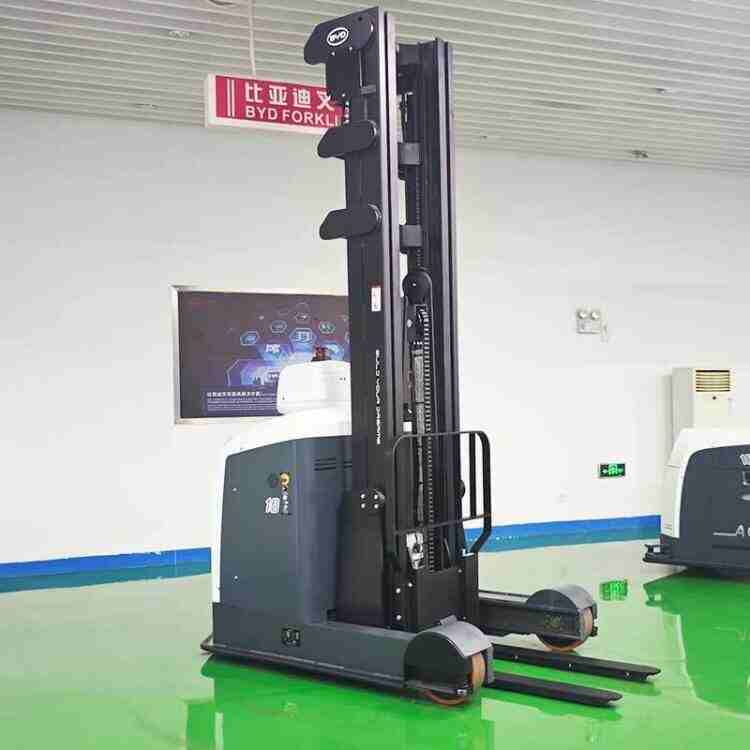
The second part is the daily operation cost. Affected by multiple factors, the fuel price in South Sudan maintains a relatively volatile level for a long time, and the extra cost of long-distance fuel transportation to inland operation sites further increases the use cost of internal combustion equipment. The electric stacker only consumes electric power during operation, with extremely low per-hour energy cost, and users can make full use of the low electricity price in non-peak hours for charging, to further control the daily operation expenditure reasonably.
The third part covers maintenance, fault loss and residual value cost. The electric stacker has no complex fuel circuit, engine carbon deposition cleaning and regular engine oil replacement links, the number of moving parts is far less than that of internal combustion equipment, and the annual regular maintenance cost is at a relatively low level. It also avoids the long downtime loss caused by waiting for scarce internal combustion engine spare parts in the local market. In addition, the electric stacker has no exhaust emission, which is suitable for closed indoor warehouse operation scenarios, and no extra investment for ventilation renovation is needed. The residual value of electric stackers after years of normal use is also at a good level.
We are Jianshu New Energy, focusing on BYD electric forklifts. We can provide local customers in South Sudan with targeted electric stacker full-lifecycle cost assessment and matching solution services. If you have related demands, please send emails to [email protected] for further consultation and support.