
 简体中文
 Русский
 Français
 Português
 Español
 لالعربية


In recent years, the rapid recovery of trade, agricultural warehousing and small-scale mining sectors in South Sudan has driven growing demand for durable, low-emission four-wheel electric forklifts, and most operators face a core decision on battery configuration: choosing lithium-ion or lead-acid solutions, with cost being the top consideration for over 80% of local purchasers.
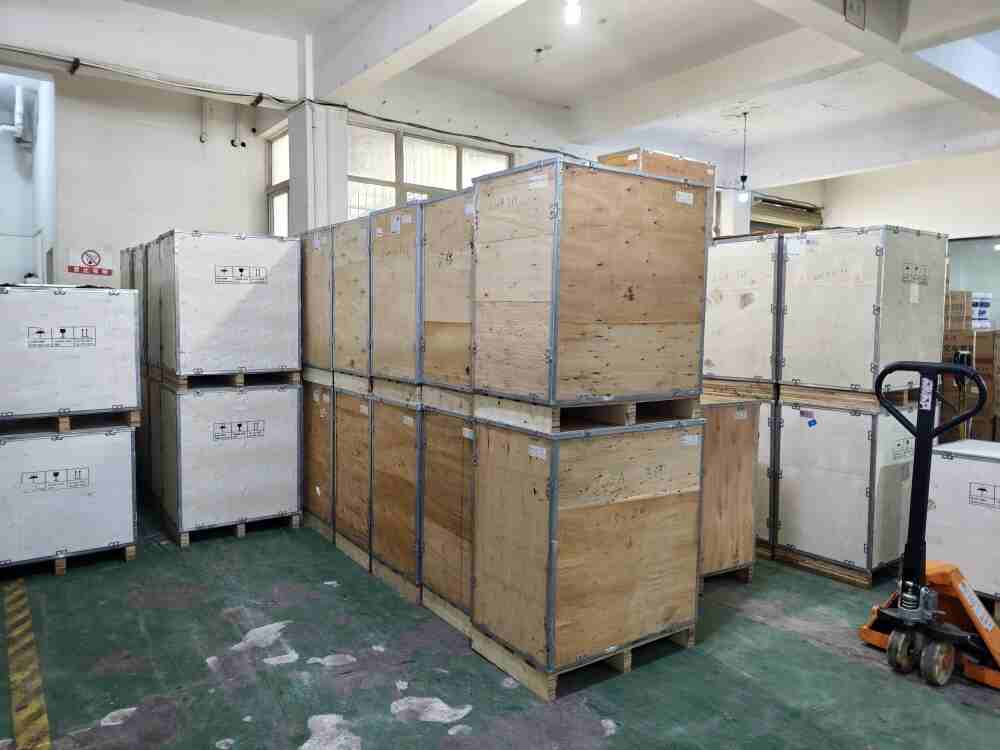
The first layer to evaluate is the upfront procurement cost. For four-wheel forklifts with the same load capacity, lifting height and basic performance parameters, the initial purchase price of lead-acid battery configured models is about 30% lower than that of lithium-ion counterparts, which often attracts purchasers who focus on short-term capital occupation at the first stage. But this apparent price gap will gradually narrow and reverse considering the unique local operation conditions in South Sudan.
The second layer comes to daily operation and maintenance cost. Lead-acid batteries have an energy conversion efficiency of around 70%, while qualified lithium-ion batteries reach over 90% efficiency. In South Sudan, where grid power supply stability varies across regions, many operation sites rely on portable generators for supplementary power supply, the higher energy efficiency of lithium-ion batteries directly cuts power consumption, reducing corresponding electricity or generator fuel cost. Besides, lead-acid batteries require regular distilled water replenishment, equalization charging and acid leakage cleaning every 2 to 3 days. Given the scarcity of professional maintenance personnel and spare parts in most areas of South Sudan, the accumulated labor and consumable cost of lead-acid systems in one year is far higher than the maintenance-free lithium-ion battery systems, which nearly require no daily manual intervention.
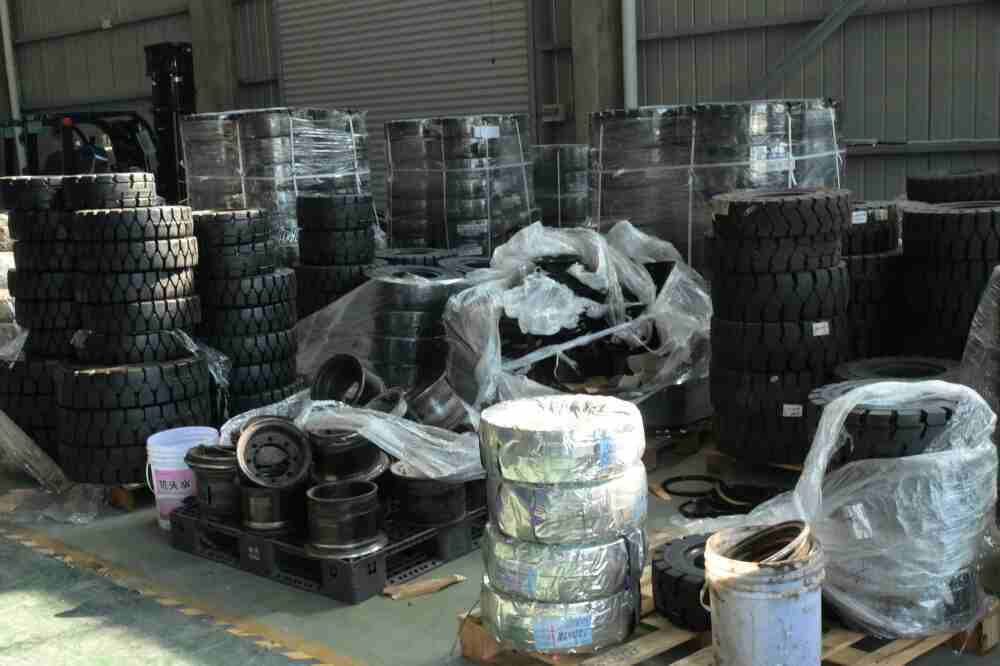
The third layer is full life cycle cost calculation. For forklifts with 6 to 8 hours daily operation, the cycle life of lead-acid batteries is around 1000 to 1500 times, which means operators need to replace the whole battery pack after 1.5 to 2 years of use, bringing extra unplanned capital expenditure. In contrast, standard lithium-ion batteries for industrial forklifts have a cycle life of over 5000 times, which can support the full 5 to 7 year service life of the whole forklift without mid-term battery replacement. In addition, South Sudan has not formed a complete formal lead-acid waste battery recycling system for the moment, the hidden disposal cost and environmental compliance risk of waste lead-acid batteries are much higher than that of lithium-ion counterparts.
For operation scenarios with daily usage less than 2 hours, lead-acid configured forklifts can meet low-cost short-term usage demands. For high-frequency scenarios with daily operation over 4 hours, the total cost advantage of lithium-ion forklifts will become obvious within 12 to 18 months of use. We are Jian Shu New Energy, focusing on BYD electric forklifts, providing targeted configuration consulting services for clients in South Sudan, you can send emails to [email protected] for more details.


