
 简体中文
 Русский
 Français
 Português
 Español
 لالعربية


When logistics and warehousing operators select material handling equipment for narrow-aisle operation scenarios, they no longer only evaluate the one-time procurement cost, but pay more attention to the total economic performance in the full service cycle. The 3-wheel electric forklift, known for its compact body, flexible steering and zero emission, has become a popular option for small and medium-sized warehousing sites in recent years, and its actual economic value is worthy of in-depth practical analysis.
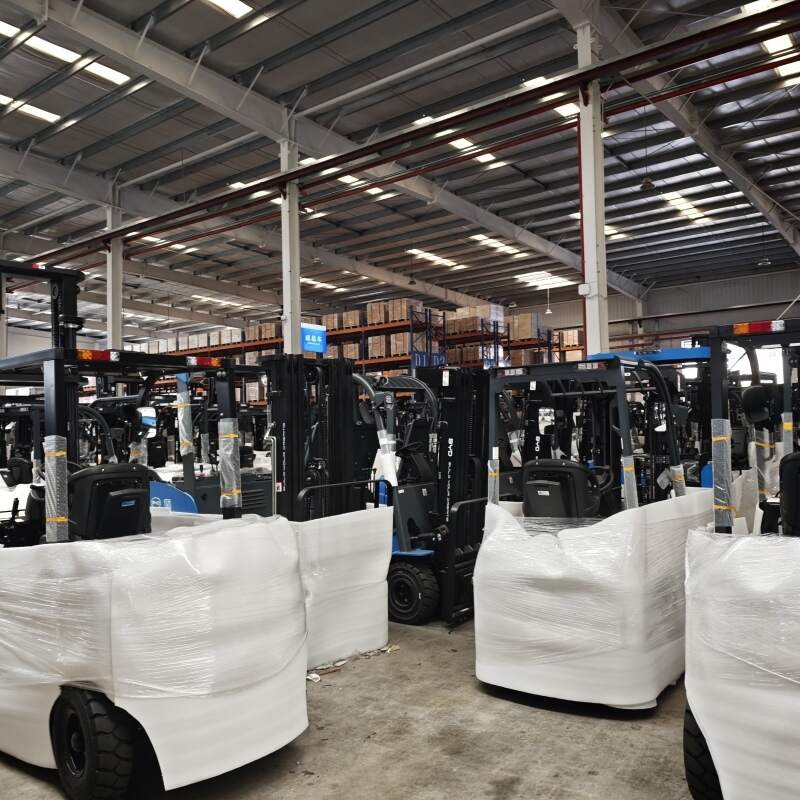
From the perspective of daily operation cost, the 3-wheel electric forklift shows obvious advantages compared with traditional internal combustion forklifts. The unit cost of electric energy is far lower than that of traditional fuel, and under the same load and working intensity, the energy cost per working hour of a 3-wheel electric forklift is only about 30% of that of a conventional internal combustion forklift. There is no extra expense caused by incomplete fuel combustion or regular fuel system debugging, which can bring stable cost reduction for long-term continuous operation.
In terms of maintenance cost, the structural characteristics of 3-wheel electric forklifts also create significant cost saving space. It does not have complex fuel circuit, exhaust treatment system and vulnerable transmission parts of internal combustion engines, and the daily routine maintenance work only includes inspection of power battery status, brake system, walking wheel parts and electrical circuit. There is no need to replace engine oil, oil filter, fuel filter and other consumables on a regular basis. The annual maintenance cost of the equipment is only 20% to 30% of that of the same load internal combustion forklift, which also reduces the downtime caused by maintenance and improves the effective working time of the equipment.
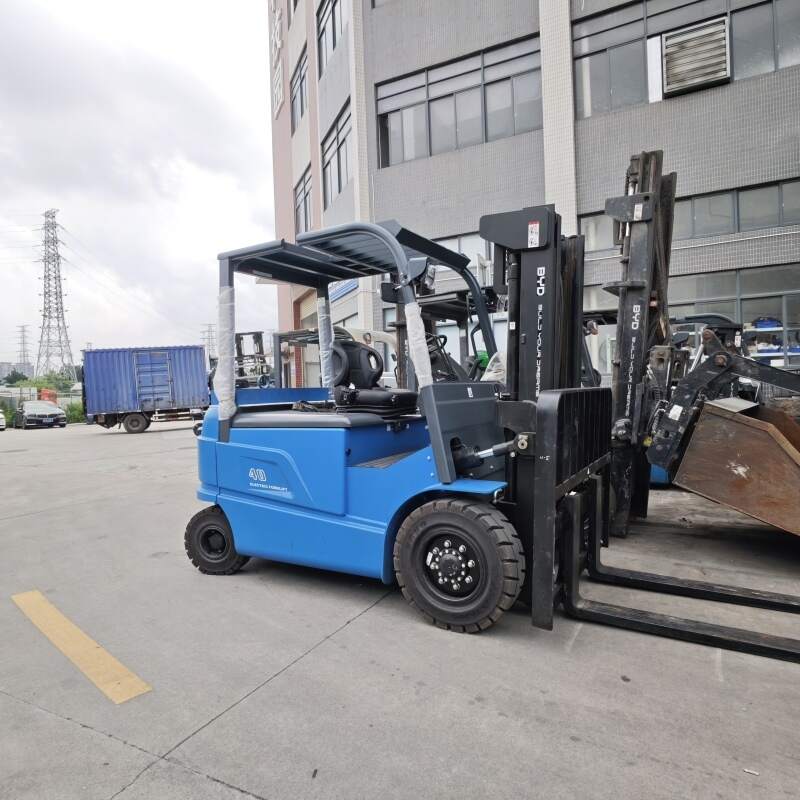
There are also many hidden economic benefits that are easy to be ignored. At present, most core urban warehousing areas have clear emission control requirements for non-road mobile machinery, internal combustion forklifts need to go through additional compliance procedures, and may face extra environmental protection input in subsequent operation. The zero-emission 3-wheel electric forklift fully meets all current environmental protection regulatory requirements, without additional related expenditure. Its low-noise operation design also reduces the noise pollution in the working scene, and avoids the potential hidden cost caused by long-term high-noise working environment for operators.
According to the actual operation data of a large number of users, in the conventional storage scene with 8 hours of daily working time, the extra initial input of 3-wheel electric forklift can be fully recovered through the saving of energy and maintenance costs within 2 to 3 years. The total service life of the equipment can reach the same level as traditional internal combustion forklifts, and the comprehensive economic benefit in the full cycle is very considerable. Jianxin New Energy, dedicated to providing professional solutions for BYD electric forklifts, can provide customized cost accounting and scenario matching services for different users. For more details, you can contact us via [email protected].


