
 简体中文
简体中文 Русский
 Français
 Português
 Español
 لالعربية

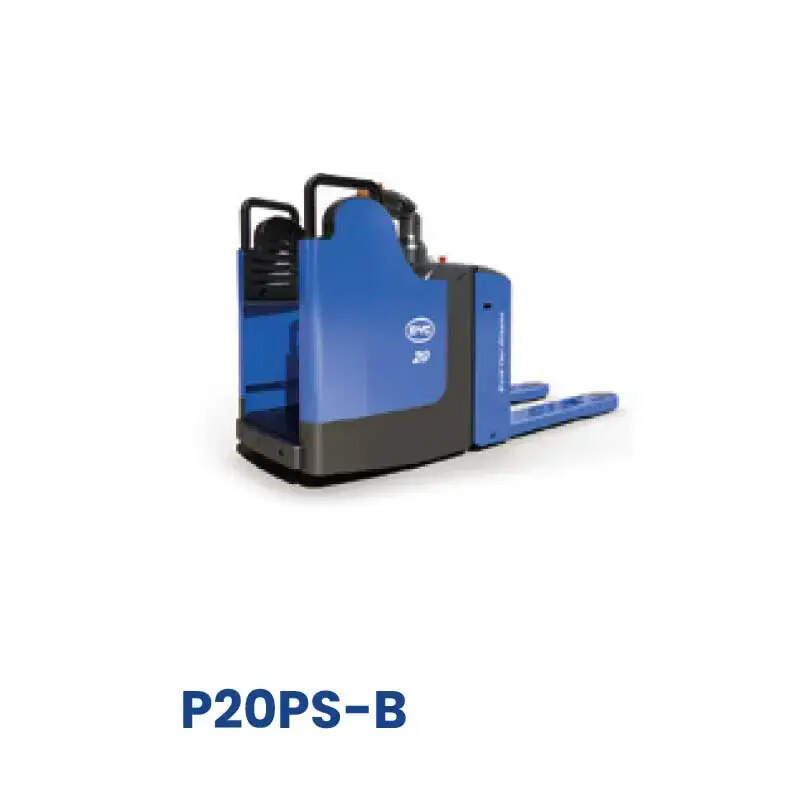
With the continuous development of green logistics concepts, electric forklifts have become one of the most widely used material handling equipment in modern warehouse and logistics systems, featuring low noise, zero local emission and relatively low long-term operating cost compared with internal combustion counterparts. Mastering systematic knowledge of electric forklifts can help relevant practitioners improve operation safety, reduce equipment loss and raise overall handling efficiency.
Core Applicable Scenarios of Electric Forklifts
Electric forklifts are highly adapted to enclosed or semi-enclosed working spaces that have strict requirements for emission and noise control. Typical scenarios include indoor standard warehouses, cold chain storage facilities, food and pharmaceutical production workshops, and urban central distribution parks. Most common models can support load range from 1 ton to 5 tons, and the customized lifting height can match different high-level shelf layouts. Unlike fuel-powered forklifts, electric types will not generate exhaust fumes that may pollute stored goods, so they can avoid hidden risks to product quality for industries with strict hygiene standards.
Standard Operation Specifications to Lower Safety Risks
Before starting the equipment, operators need to check the remaining battery level, braking system sensitivity, lifting mechanism flexibility and emergency stop function status, to rule out hidden problems before formal operation. During the working process, operators should not carry loads beyond the rated bearing capacity, slow down significantly when turning, and keep sufficient safe distance with surrounding walking staff and shelves. It is not allowed to drive diagonally on slopes, or lift non-working personnel by placing them on the forks. When the equipment needs to be parked for a long time, the power system should be fully cut off to avoid accidental touch misoperation.
Daily Maintenance Strategies to Prolong Equipment Service Life
Regular maintenance work can effectively reduce unexpected failure rate, and reduce the overall operating cost of the equipment within full life cycle. Operators need to check the electrolyte level of the battery pack regularly, avoid excessive deep discharge, and arrange charging work in cool, ventilated and dry environment away from high temperature heat sources. It is also necessary to clean the dust and debris accumulated on the surface of driving motor regularly, check the hydraulic oil pipeline for leakage, and replace the worn tires in time when the wear degree reaches the preset threshold. Do not park the equipment in long-term humid outdoor environment to avoid corrosion of internal electronic components.
Practical Methods to Improve Working Efficiency
Enterprises can select electric forklifts with matching parameters according to their actual operation scenarios. For warehouses with high-level shelves, models with corresponding maximum lifting height can be selected to avoid function waste. For scenarios with short-distance and high-frequency handling, configurations with larger battery capacity can be adopted to reduce downtime caused by frequent charging. Reasonably planning daily handling routes can cut down unnecessary empty driving mileage, and regular skill training for operators can reduce extra equipment loss caused by non-standard operation. The proper application of electric forklifts can create stable value for the whole logistics operation system.


