
 简体中文
 Русский
 Français
 Português
 Español
 لالعربية


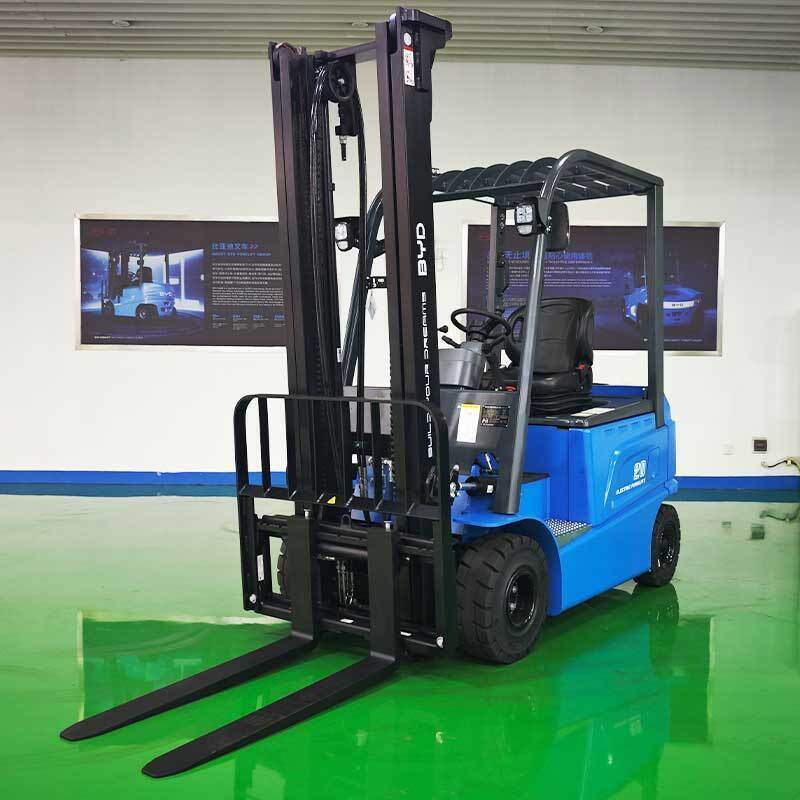
As the low-carbon transformation of logistics and manufacturing industries accelerates, electric forklifts have become one of the most widely used material handling equipment in indoor closed worksites in recent years. Unlike traditional fuel-powered handling equipment, electric forklifts generate no tail gas emission during operation, and produce relatively low running noise that will not interfere with normal communication of on-site staff. Following proper use and maintenance specifications can help teams give full play to the value of the equipment, reduce unnecessary operating costs, and lower the potential safety risks on worksites.
Core Operational Advantages of Electric Forklifts in Common Worksites
For most indoor warehouse, production workshop and distribution center scenarios, electric forklifts can adapt to different road conditions and loading weight requirements within the rated load range. The power output of electric forklifts is relatively stable in low-speed frequent start and stop scenarios, which fits the frequent handling, stacking and short-distance transportation demands of goods in dense storage areas. The overall structure of the equipment does not involve complex fuel supply and exhaust treatment components, so the threshold of basic operation learning is relatively low for new operators with professional training.
Routine Daily Maintenance Points for Electric Forklifts
Daily maintenance work mainly focuses on the power system, walking components and operating control parts of the equipment. Staff need to check the remaining power status before each shift, clean the surface of the power module to avoid accumulation of dust and sundries that affect heat dissipation, and check the wear degree of the walking wheels and brake performance before formal operation. After each use, the equipment should be parked in the designated ventilated and dry area, and the power supply should be cut off completely to avoid long-term idling power consumption. Regular professional inspection of the internal circuit system can effectively reduce the failure rate of the equipment in long-term continuous use.
Standard Operation Specifications to Reduce Safety Risks
Operators need to receive systematic professional training before taking up the post, and strictly follow the rated load limit requirements of the equipment in the actual operation process. Overload operation will not only increase the wear of the power components, but also easily cause the goods to lose balance and fall to hurt on-site staff. When working in narrow channel areas, operators need to control the driving speed, and pay close attention to the surrounding obstacles and passing personnel to avoid collision accidents. For high-lift stacking operation, relevant personnel need to confirm the stable support of the equipment body before lifting the goods to ensure the safety of the whole process.


