
 简体中文
 Русский
 Français
 Português
 Español
 لالعربية


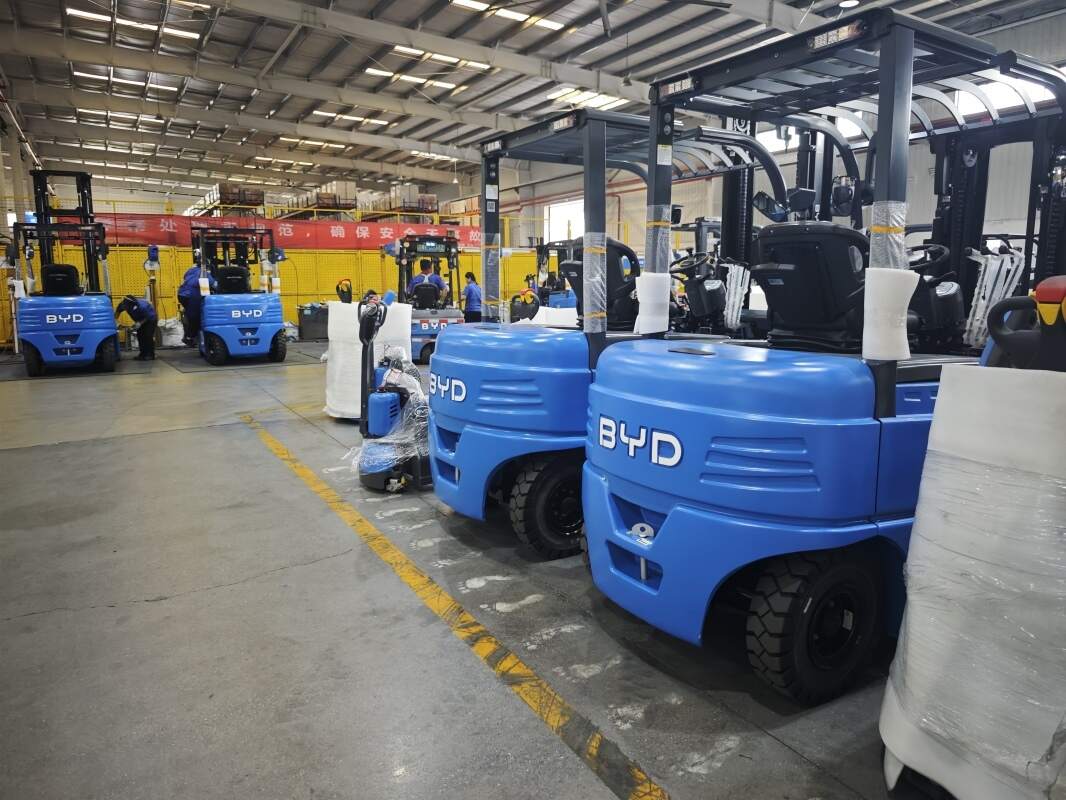
Against the background of low-carbon transformation of modern industrial logistics, electric forklifts have become one of the most widely used material handling equipment in indoor warehouses, distribution centers and light industrial manufacturing workshops, with the advantages of low noise, zero local emission and flexible operation. Mastering correct use and management rules can help related personnel give full play to the value of such equipment in daily operations.
Basic Operation Specification for Daily Use
Before starting the vehicle, operators need to check the remaining power of the battery, the flexibility of the lifting system, the sensitivity of the braking device and the unobstructed state of the walking channel, to avoid hidden safety risks caused by overlooking minor abnormal conditions. During the operation process, it is not recommended to carry out sharp steering, sudden braking or overload lifting, and the load goods should be placed in the center of the fork arm as much as possible to maintain the overall balance of the vehicle body, which can reduce the wear of the tire and the power consumption of the motor. For operation in narrow passages, operators should slow down in advance and give priority to yielding to passing personnel and other operation equipment in the shared channel.
Routine Maintenance Tips to Extend Service Life
Daily maintenance work of electric forklifts can be divided into daily inspection after operation, weekly component wiping and regular battery maintenance. After each shift, operators should wipe the dust and sundries on the surface of the vehicle body and the accumulated sundries in the gap of the heat dissipation system, check whether the connector of the power system is loose, and supplement the electric energy according to the actual remaining power condition. For the battery pack in frequent use, professional personnel should be arranged to check the electrolyte level regularly, avoid long-term full load operation state for more than 8 hours, which can effectively prolong the cycle life of the core power components, and reduce the probability of unexpected failure in peak operation periods.
Optimization Methods to Improve Operation Efficiency
Combined with the actual layout of the operation site, the logistics team can plan the access path of goods reasonably, reduce the unnecessary long-distance round-trip driving of the electric forklift, and set up a special parking and charging area near the high-frequency operation area, which can reduce the waiting time of personnel. In the process of goods stacking, operators can adjust the lifting speed and walking speed according to the actual distance between the goods placement points, form a stable operation rhythm through long-term standardized training, which can effectively improve the average processing volume of unit operation time without additional safety risks.


