
 简体中文
 Русский
 Français
 Português
 Español
 لالعربية


As lithium-powered forklifts become the mainstream choice for modern material handling scenarios across logistics, manufacturing, retail storage and other sectors, many enterprise procurement teams often face decision-making challenges when making purchasing plans, as mismatched models will cause unnecessary operation cost waste or hidden safety risks. This practical framework provides clear, actionable reference points for all procurement teams to make rational, cost-effective selection decisions without redundant investment.
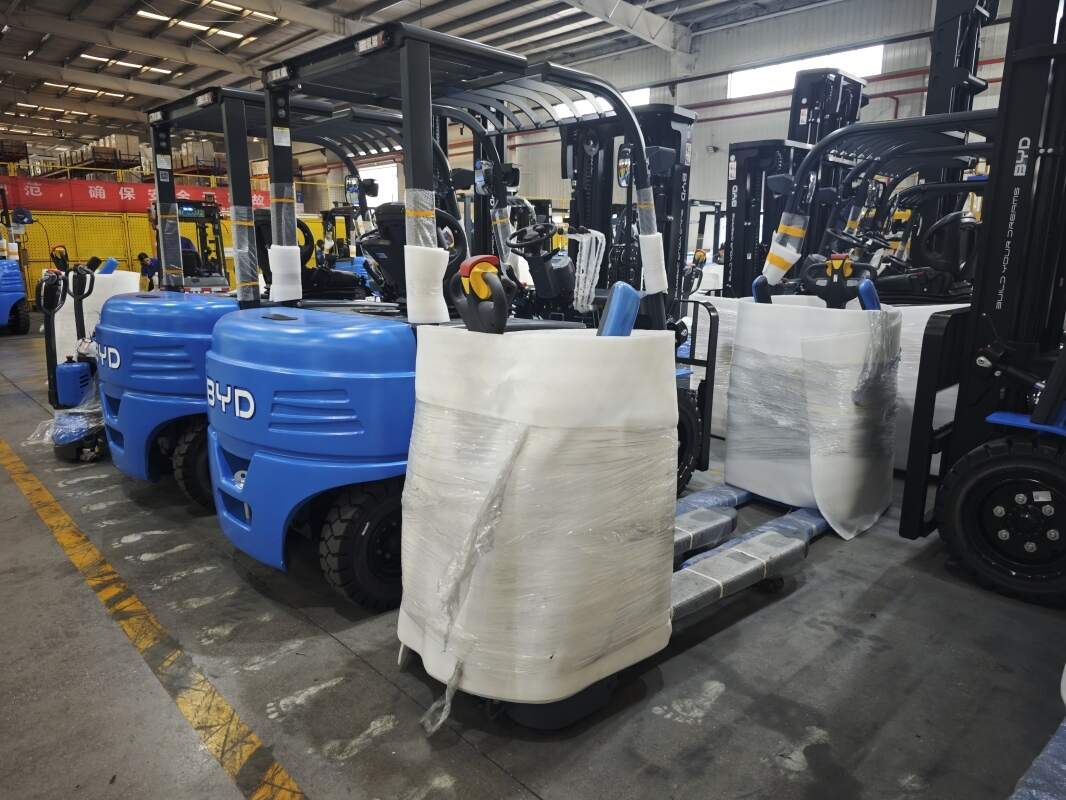
The first core step of the framework is full demand sorting based on actual operation scenarios. You need to collect basic operation data within at least 3 consecutive normal working weeks, including maximum daily operation hours, maximum load weight of regular handling tasks, minimum width of operation passages, maximum slope of internal roads and frequency of uphill and downhill operations, as well as special environmental factors such as operation temperature range, dust concentration, and if the equipment is used for indoor or outdoor scenarios. This process helps you rule out excessive parameter settings that far exceed actual demand, and avoid paying extra cost for redundant functions that will never be used in daily operation.
The second step is targeted performance matching check. After sorting out all scenario demands, you can compare the core indicators of the equipment accordingly, including lithium battery cycle life, full charge duration, continuous operation mileage under rated load, standard safety configurations such as anti-slope sliding, emergency braking and automatic power-off protection, ergonomic design of operation cab that reduces long-time operation fatigue, and the convenience of daily routine maintenance. All matching items should be recorded for comparison, rather than judging the performance of the equipment only by partial publicity information.
The third step is full lifecycle cost accounting. Instead of focusing only on the initial purchase price of the equipment, you need to calculate the average annual operation cost covering electricity consumption, regular maintenance fee, battery attenuation related cost, and necessary supporting charging facility input. Through this accounting, you can get the accurate cost recovery cycle, and avoid choosing low-price products with hidden high long-term use cost.
The last step is evaluation of the supporting service system of the supplier. You need to confirm the supplier has local after-sales response team, can provide on-site debugging, operator safety training, stable spare parts supply and long-term follow-up maintenance support.
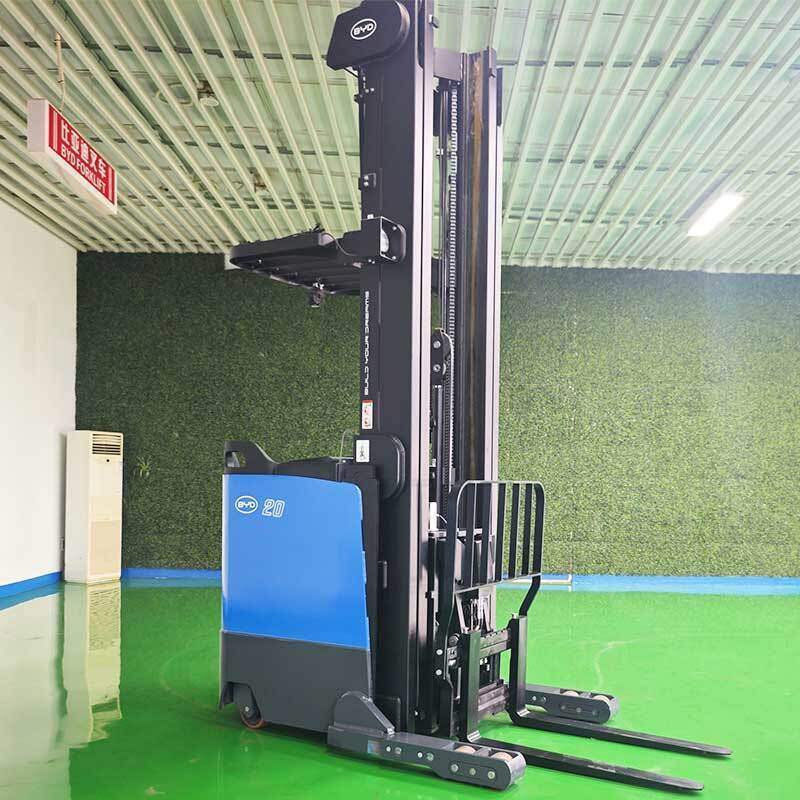
As a professional new energy industrial handling equipment service provider, Jian Shu New Energy focuses on BYD electric forklift. If you need professional customized selection consultation, you can send email to [email protected] for free demand assessment service.


