
 简体中文
 Русский
 Français
 Português
 Español
 لالعربية


When you plan to introduce a lithium forklift to upgrade your material handling efficiency, sufficient pre-work can help you avoid unnecessary operation risks, extend the service life of equipment, and get the maximum return of investment in the long run. Many operations skip necessary preparation steps before getting the equipment, which may cause mismatched configuration, hidden safety hazards or low operation efficiency in subsequent usage.
The first core step is to complete the actual operation demand assessment. You need to sort out the core parameters of your daily handling scenarios, including the average and maximum load weight of goods, the required maximum lifting height, the width of existing operation passages, the daily continuous operation duration, and the peak operation load in busy seasons. You can count the actual operation data of the past 3 months as reference, so as to select the most suitable equipment configuration, avoid unnecessary cost waste brought by over-specification, or insufficient performance that cannot meet normal operation needs.
The second key part is to finish the site adaptation preparation. You need to plan an independent and dedicated charging area first, keep the ground of this area flat and dry, stay away from stacked flammable sundries, configure the power supply interface that matches the charging power of the lithium forklift, and reserve enough heat dissipation and operation space for the charging process. Then you need to check the ground condition of all forklift operation passages, confirm that the maximum slope does not exceed the safe range specified by the product, clear the protruding obstacles on the passage, and separate the pedestrian moving line and forklift moving line as much as possible to reduce collision risks.
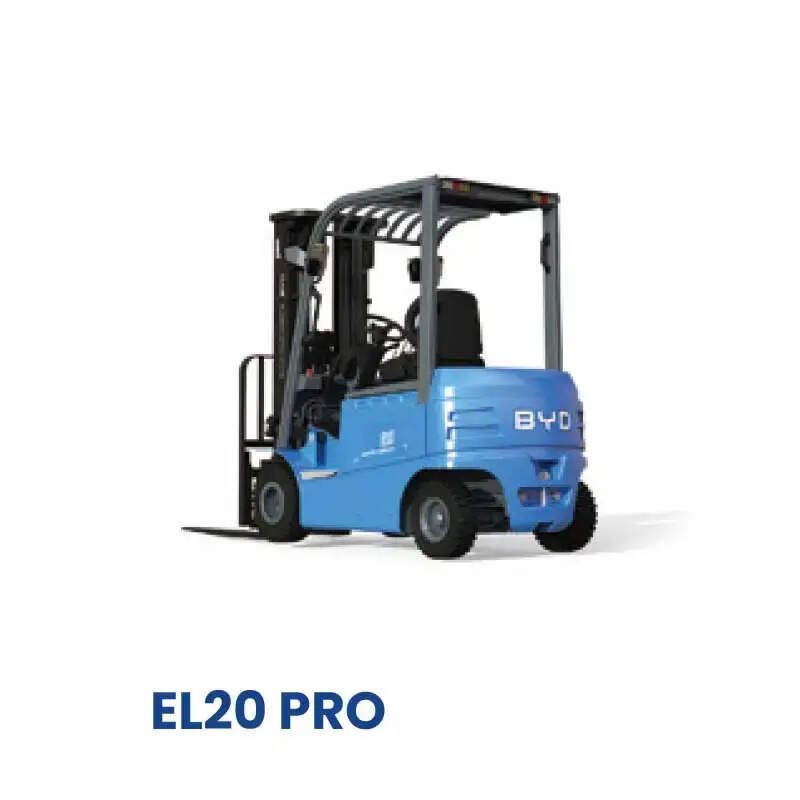
The third essential part is to complete the personnel training work. All staff who will operate the lithium forklift need to participate in standardized system training, master correct operation logic, daily pre-inspection points and emergency response process for minor faults. Different from traditional lead-acid forklifts, lithium forklifts do not need frequent water replenishment maintenance, operators need to master the correct charging specification, avoid over discharge and over charge, form the good habit of checking brake system and power display before each shift.
The last step is to build a simple supporting operation and maintenance system in advance. You can make a regular patrol checklist, arrange special personnel to do routine inspection of key components of the equipment every month, and reserve the contact channel of professional after-sales team for timely response when abnormal situation occurs.
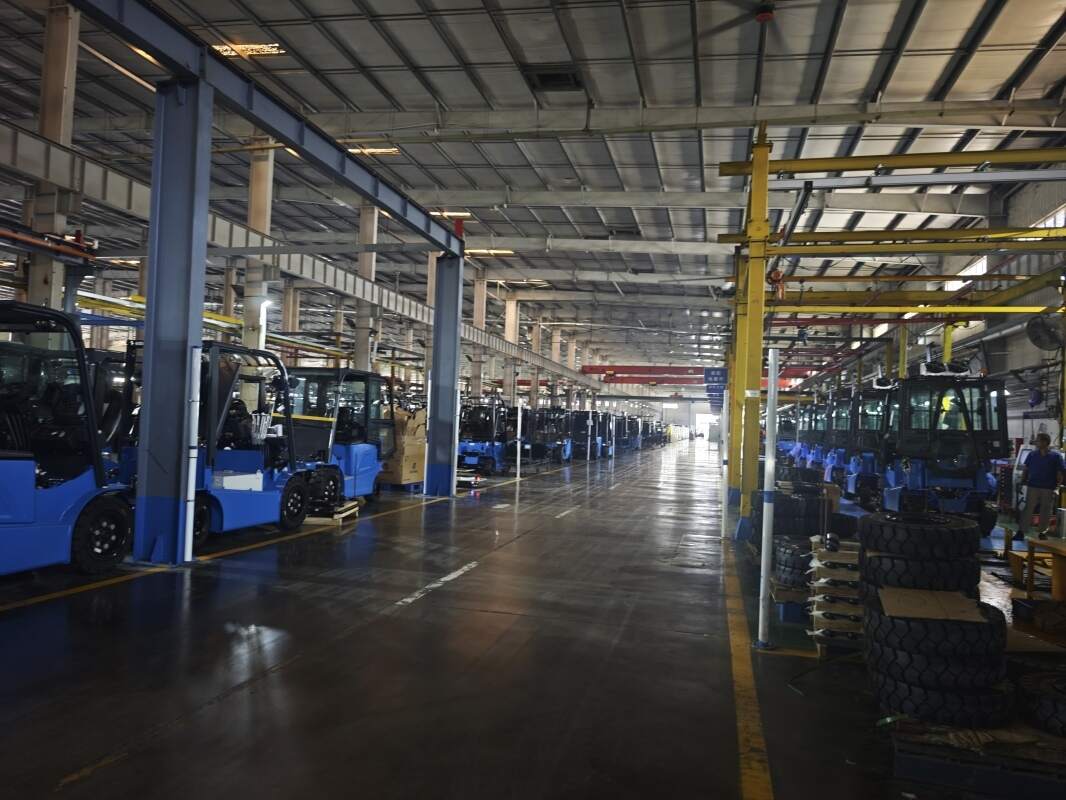
We are Jian Shu New Energy, focusing on BYD electric forklift products. If you have any consultation demand during the preparation process for lithium forklift, you can contact us via [email protected] for professional support.


