
 简体中文
 Русский
 Français
 Português
 Español
 لالعربية


As one of the core logistics hubs in West Africa, Tema gathers a large number of port freight yards, bulk cargo storage centers and manufacturing distribution facilities, where heavy-duty forklifts bear most of the material handling work for heavy cargos over 3 tons. For local operation teams, clarifying the actual running cost of heavy-duty electric forklifts can help them make more reasonable equipment procurement and operation planning decisions, avoiding unnecessary extra expenditure in long-term use.
First of all, the energy consumption cost is the most intuitive part of the daily running expenditure. Different from internal combustion forklifts that need to purchase diesel fuel at the volatile international oil price, heavy-duty electric forklifts complete energy replenishment through the local power grid in Tema. Combined with the current local industrial electricity price level, the energy consumption cost per hour of continuous operation of heavy-duty electric forklifts is far lower than the diesel cost of equipment with the same load level. Many local warehouse teams that have deployed electric forklifts report that their monthly energy expenditure for handling operations has dropped by a large margin compared with the previous use of fuel equipment.
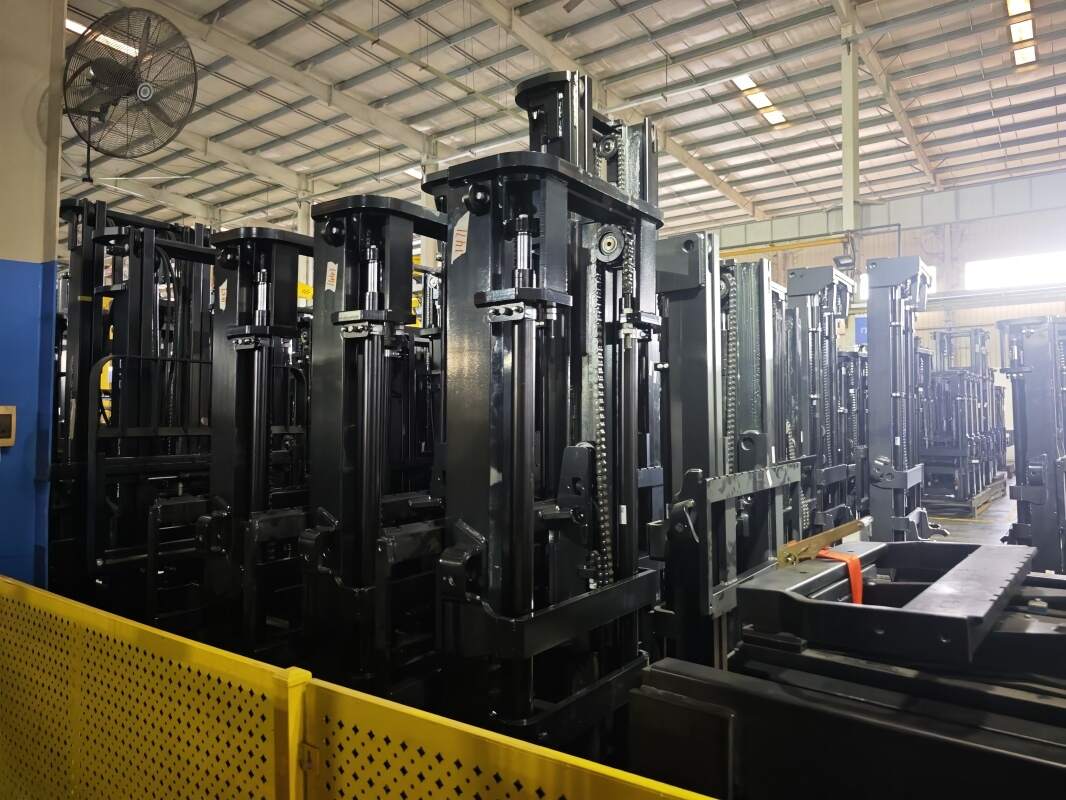
The second part is the daily maintenance cost. Heavy-duty electric forklifts do not have complex internal combustion engine structures, which do not need regular replacement of engine oil, fuel filters, air filters and vulnerable parts of the exhaust treatment system. The daily maintenance work only focuses on the inspection of power battery status, tire wear and hydraulic system, which greatly reduces the cost of spare parts purchase and the labor cost of maintenance technicians. The average annual maintenance expenditure of electric forklifts is much lower than that of fuel heavy-duty forklifts under the same operation intensity.
In addition, local environmental management regulations in Tema have gradually put forward clear emission control requirements for logistics handling equipment in recent years. Heavy-duty electric forklifts produce no tail gas emissions during operation, so they do not need to pay additional environmental assessment fees and emission surcharges that apply to fuel equipment, which reduces the hidden compliance cost for operation teams. At the same time, the low-noise operation feature of electric forklifts also helps reduce the fatigue of on-site operators, indirectly reducing the potential cost of operation errors and work-related injuries.
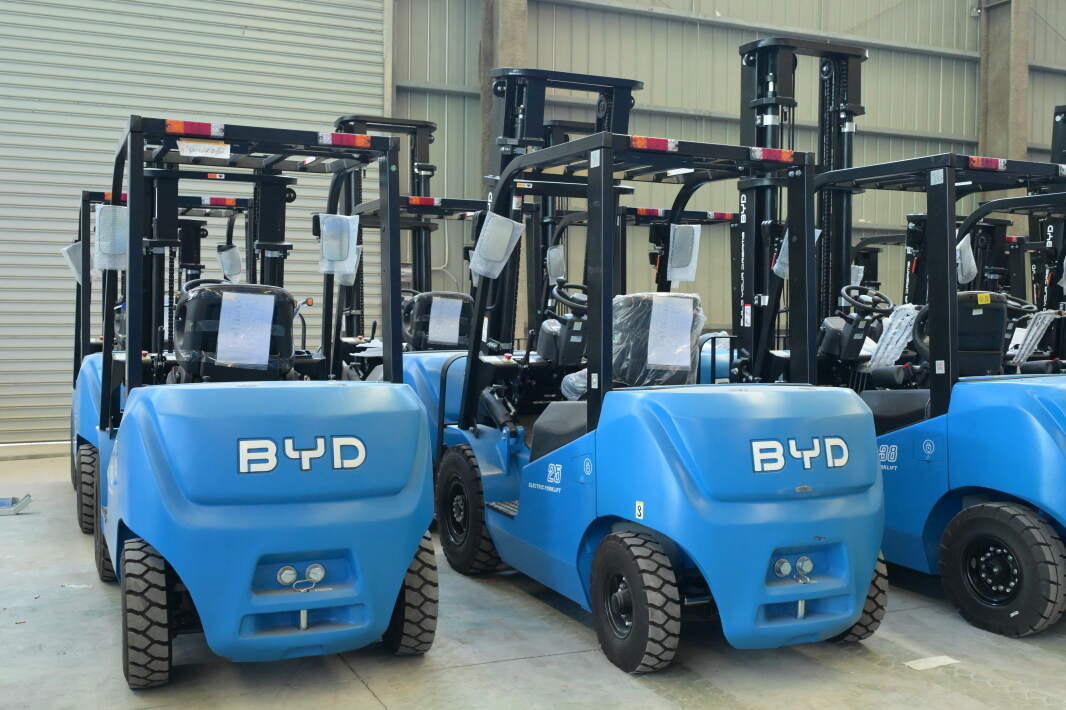
As a professional new energy material handling service provider, Jian Shu New Energy focuses on BYD electric forklifts. If you need customized operation cost evaluation or related consultation for heavy-duty electric forklifts in Tema, please send your demand to [email protected].


