简体中文
 Русский
 Français
 Português
 Español
 لالعربية


In recent years, the rapid development of warehousing, agricultural processing and logistics industries in Malawi has driven growing demand for efficient internal material handling equipment. Most local operation teams now pay more attention to full-lifecycle running costs instead of only initial procurement expenditure, to create more stable profit space for daily operations. As Jianshu New Energy, we focus on BYD electric forklifts, and we sort out practical running cost details of BYD electric stackers based on local actual application scenarios for the reference of users across different sectors in Malawi.
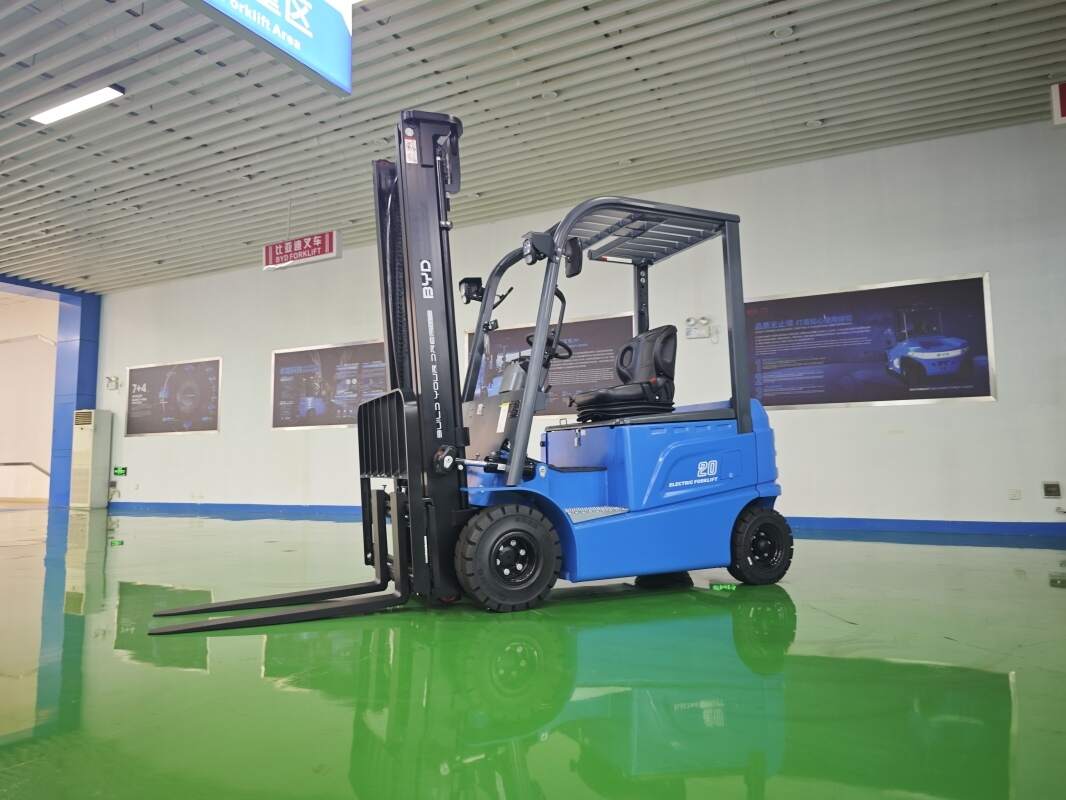
The first core part of running cost is energy consumption. The industrial and commercial electricity price in Malawi maintains a relatively stable and reasonable level. The BYD electric stacker is designed with mature energy efficiency structure, and its power consumption per working hour is quite controllable. Compared with traditional fuel-powered handling equipment with the same load capacity, its hourly energy cost is significantly lower. Under regular daily working conditions, one full charge can support 6 to 8 hours of continuous operation, which can meet the daily handling demand of most local warehouses and cargo distribution points, no frequent energy supplement is required during normal working shifts.
The second part is daily maintenance cost. Different from internal combustion handling equipment, BYD electric stackers do not need regular maintenance projects related to fuel engines, including engine oil replacement, filter element renewal, oil circuit inspection and calibration. The daily maintenance work only covers regular check on battery status, brake system performance and lubrication of lifting chains. The annual cost of maintenance consumables and labor input stays at a very friendly level, which also reduces the requirement for professional maintenance personnel on the operation team side.
There are also implicit running cost advantages in long-term use. BYD electric stackers produce low working noise and no exhaust emission during operation, so there is no need to arrange extra ventilation facilities in closed storage space, and no risk of tail gas pollution to stored agricultural products, light industrial goods and other cargo, which effectively avoids potential cargo loss cost caused by equipment use. The equipment maintains good operation stability in long-term use, the probability of unplanned shutdown is low, which can guarantee the continuity of daily handling work. If you need more targeted running cost calculation scheme for your actual application scenario, you can send emails to [email protected] to get further professional support.