简体中文
 Русский
 Français
 Português
 Español
 لالعربية


As core handling equipment widely used in modern warehousing, manufacturing and distribution scenarios, electric stackers have been favored by more and more enterprises for their low noise and zero direct emission features. Reasonable control of power supply cost and standardized charging operation are core links to maximize the service life of equipment and reduce the overall operating cost for users.
When calculating the power supply cost of electric stackers, users need to take multiple dimensions into full consideration. First, the actual power consumption per unit working hour of the equipment can be matched with the local industrial electricity price, especially making full use of the peak-valley electricity price difference policy that most regions have implemented, arranging most of the charging procedures in the low electricity price period, which can effectively reduce the unit power cost in actual application. Besides, regular maintenance of the power system can reduce unnecessary energy consumption caused by aging components or poor line contact, which can further optimize the overall power supply cost of the equipment. It is worth noting that the power supply cost of qualified electric stackers is far lower than the fuel cost of internal combustion handling equipment of the same load level in the long-term use cycle, which can bring considerable cost reduction space for daily operation of enterprises.
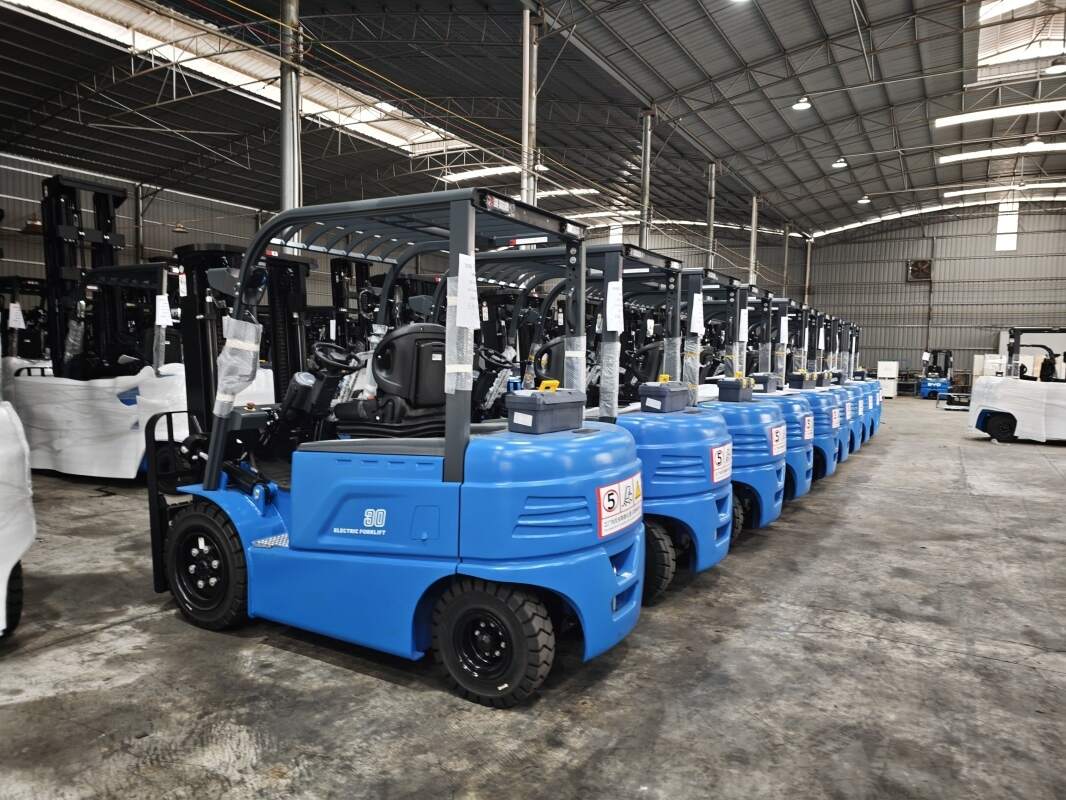
Standardized electric stacker charging operation is the premise to ensure stable equipment operation and avoid safety risks. Before starting charging, users need to check whether the charging port is dry and free of sundries, and confirm that the charging equipment matches the power parameters of the stacker power battery. The charging area should be kept well ventilated, away from high temperature heat sources and flammable and explosive articles. In the daily use process, it is not recommended to over discharge the battery to the extreme low power state, and try to avoid long-term uninterrupted overcharging after the battery is fully filled, which can effectively extend the cycle service life of the battery pack. For scenarios with 24-hour continuous high-frequency handling demand, users can configure a proper number of backup battery packs, and arrange centralized charging of the replaced batteries in the off-peak electricity period, which can not only meet the continuous operation demand, but also maximize the optimization of power supply cost.
Jianshu New Energy, focusing on BYD electric forklifts, can provide targeted power supply cost optimization schemes and standardized charging operation guidance for different types of logistics and industrial customers. If you have relevant demands for consultation, please send an email to [email protected].