
 简体中文
简体中文 Русский
 Français
 Português
 Español
 لالعربية

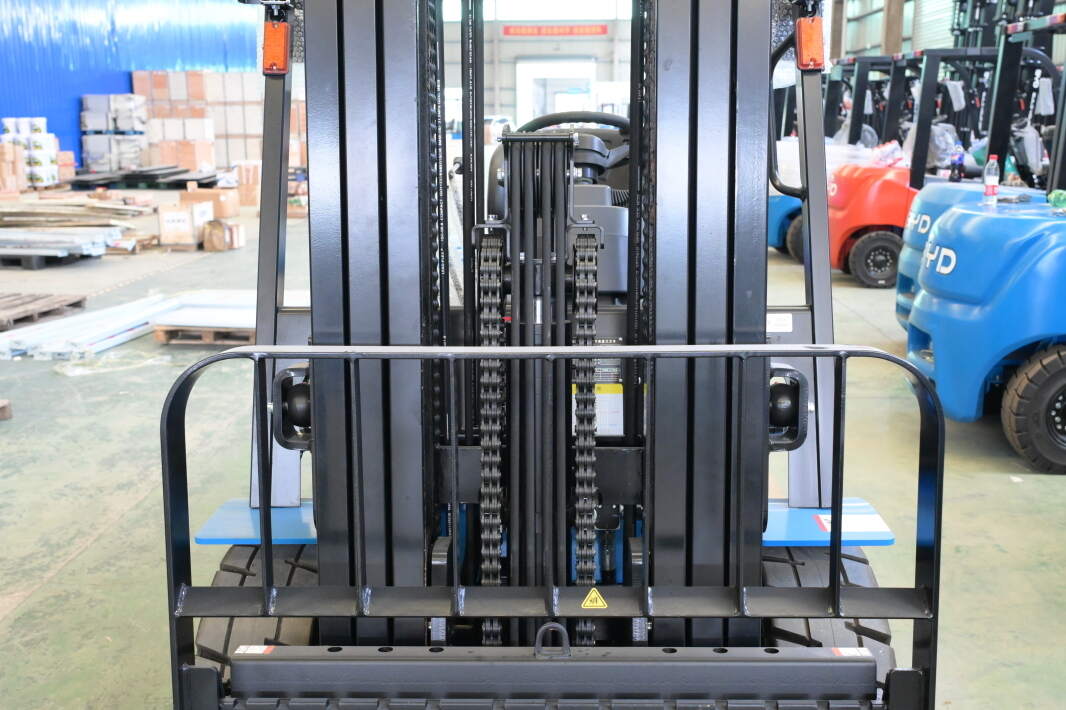
When warehouse and logistics operation teams prepare to deploy new electric handling equipment, they usually collect multiple electric forklift solution proposals from different professional service providers to find the option that fits their actual operation needs best. Many teams tend to only focus on the initial purchase price at the first stage of comparison, which may lead to mismatches between the final selected equipment and daily operation scenarios, and cause extra hidden costs in the long run.
First, verify the scenario adaptability of each solution against your actual operation conditions. Different operation scenarios have distinct requirements for electric forklift parameters, including maximum load weight, maximum lifting height, minimum turning radius, and single-charge battery endurance. For example, if the operation site has narrow aisles, the solution that provides equipment with small turning radius will bring higher operation efficiency; if the forklift needs to work for more than 8 hours per shift without accessible charging facilities, the solution that supports fast charging or replaceable battery packs will be more suitable. You need to map all the actual operation demands to the parameters listed in the proposal, rather than judging the pros and cons only by general performance descriptions.
Second, conduct full-cycle total cost accounting instead of only checking the initial input. A complete electric forklift solution usually covers not only the equipment body, but also supporting facilities such as charging piles, on-site commissioning services, regular maintenance, spare parts supply and operator training. Some solutions with seemingly low initial purchase price may charge extra fees for subsequent maintenance or core component replacement, which will push up the total operating cost during the 5 to 8 year service life of the equipment. You can ask each provider to list all possible cost items in the whole service cycle, and compare the total expenditure of different solutions under the same unified calculation standard.
Third, evaluate the practicability of supporting services included in the proposal. High-quality after-sales support can reduce the downtime caused by equipment failure effectively. You can check the response time of on-site maintenance, the coverage of service outlets near your operation site, and the validity period of the free warranty promised in each proposal. For teams that have multi-site operation demands, you also need to confirm whether the supporting services can be synchronized to all operation sites without extra cross-area service surcharges.
Finally, confirm the compatibility of the solution with your existing management system. Many modern warehouses have deployed warehouse management systems to track equipment operation data, some electric forklift solutions support data interconnection with the existing system, which can help operation managers grasp the equipment usage status in real time, and further optimize the scheduling efficiency of handling teams. By checking the above aspects one by one, you can avoid interference from non-core misleading information, and select the most suitable electric forklift solution for your own operation conditions.


