简体中文
 Русский
 Français
 Português
 Español
 لالعربية


Food and beverage facilities have strict requirements on production environment hygiene, food safety compliance and logistics operation efficiency, which puts forward higher standards for the material handling equipment used in the plant. Internal combustion forklifts that produce exhaust emissions and occasional oil leakage risks may easily cause hidden dangers to food raw materials, semi-finished products and finished products during the handling process, making electric forklifts become the preferred choice for most food and beverage operators in recent years.
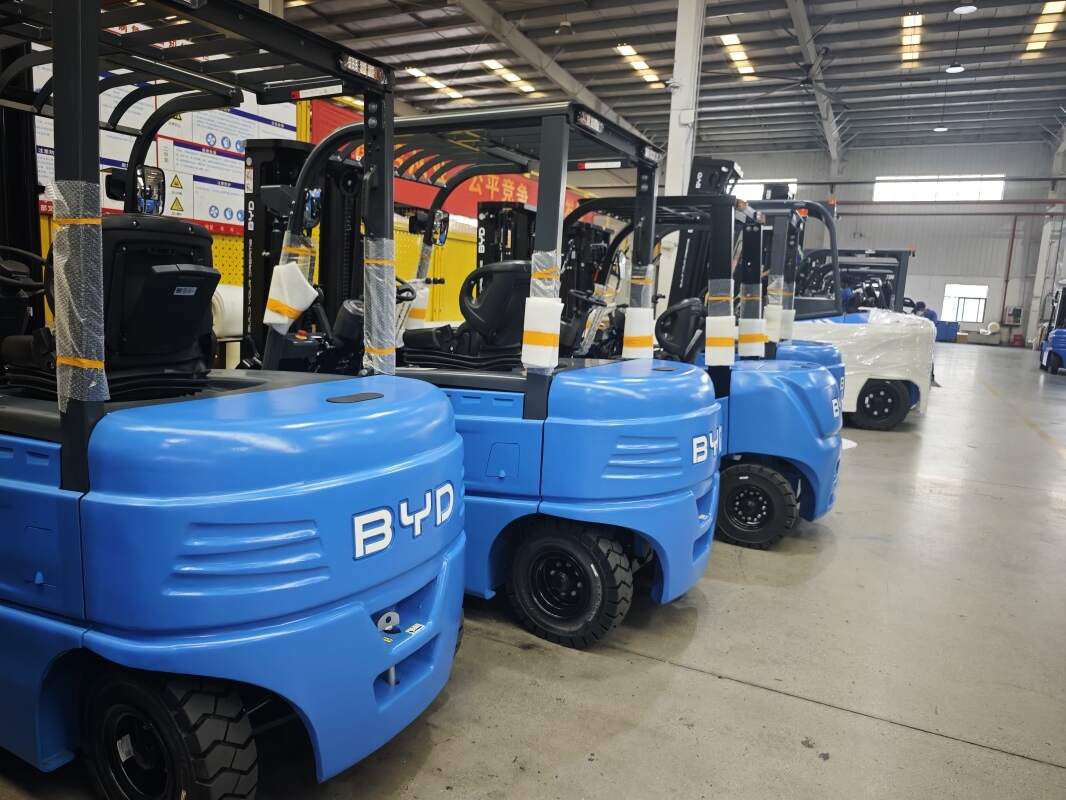
Before introducing electric forklifts, you need to complete a full demand survey first. Count the average daily material handling volume, maximum load weight of regular goods, width of internal operation channels, working temperature of different functional areas (including constant temperature storage areas, low temperature cold storage areas and processing areas), and peak operation hours in different shifts. You can reserve enough redundancy for subsequent capacity expansion on the basis of meeting current operation demands, so as to avoid insufficient equipment supply after the production capacity of the facility is upgraded later.
The second step is to complete the site adaptation planning. You need to set up a special charging and daily maintenance area for electric forklifts, which is set far away from food processing, finished product storage and raw material feeding areas, with corresponding insulation protection and safety warning signs configured. According to the number of shifts of the facility, you can make a reasonable scheduling plan for vehicle charging and standby, to ensure the stable operation of material handling links during peak hours, and avoid the situation of operation shutdown caused by insufficient power.
Then you need to make a supporting operation and management plan. All operators need to receive targeted operation training for electric forklifts, to ensure that they can use the equipment in compliance with regulations and avoid misoperation. It is recommended to arrange regular cleaning and routine maintenance for the vehicles, to keep the vehicle body free of accumulated dust, oil stains and other pollutants, so as to fully meet the hygiene audit requirements of the food and beverage industry. Compared with traditional internal combustion forklifts, reasonably planned electric forklifts can effectively reduce the long-term comprehensive operation cost of the facility.
If you need professional customized planning support for electric forklift deployment, we are Jianshu New Energy, focusing on BYD electric forklifts, you can send emails to [email protected] to get exclusive solutions adapted to your actual working conditions.