简体中文
 Русский
 Français
 Português
 Español
 لالعربية


First of all, full-site basic data survey is the primary step for reach forklift planning in your distribution center. You need to sort out key information including the maximum height of existing storage racks, the net width of operation aisles, regular cargo load weight, daily handling volume, and peak operation hours, all these data can lay a solid foundation for subsequent parameter matching of suitable reach forklifts. Avoid blind selection of equipment that does not match the actual site condition, which may cause extra operation barriers and hidden safety risks.
Secondly, reasonable operation path planning helps maximize the value of reach forklift input. You need to combine the actual turning radius, lifting height and operation speed of the selected reach forklift, design non-crossing operation routes for forklifts, manual picking staff and conveyor equipment, which can effectively reduce invalid driving mileage of forklifts, shorten the single cargo handling cycle, and promote the overall operation efficiency of the distribution center to a stable level.
Thirdly, supporting facility layout and operation scheduling arrangement are also indispensable parts in the whole planning process. For electric reach forklifts, you need to set up a dedicated charging area far away from the main operation channel, and arrange reasonable charging shifts according to the peak and trough of daily operation, to avoid the situation that insufficient equipment power affects the normal operation of peak hours. It is also recommended to reserve a dedicated maintenance area in the planning stage, to facilitate daily routine inspection and regular maintenance of the equipment.
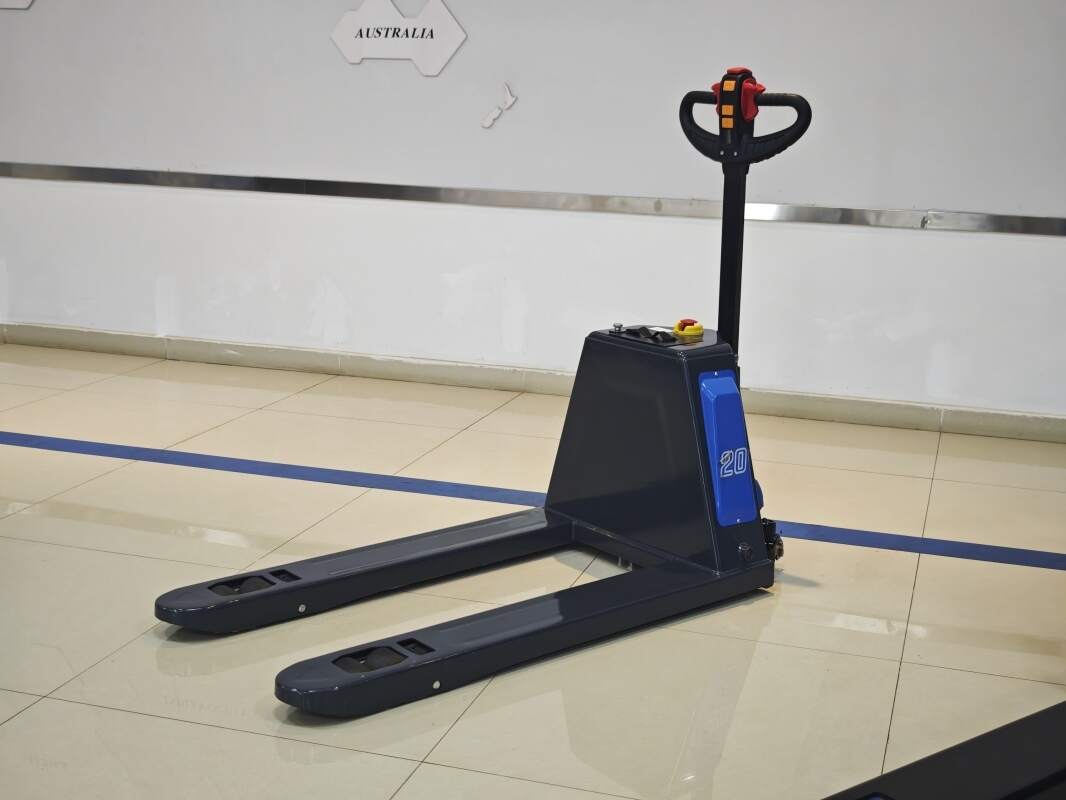
As Sharp Tree New Energy, we focus on BYD electric forklifts, and have accumulated rich experience in supporting reach forklift planning services for different types of distribution centers. If you have relevant demands for planning consultation or equipment matching, you can send an email to [email protected] for further communication.
Finally, it is suggested to include the operator training mechanism in the overall planning system. Standardized operation training can help forklift operators master the correct operation specifications of equipment, reduce misoperation, extend the service life of the forklift, and further control the long-term comprehensive operation cost of the distribution center.