
 简体中文
 Русский
 Français
 Português
 Español
 لالعربية


When optimizing material handling systems for distribution centers, counterbalance forklifts are core functional assets that affect overall operation efficiency. A complete, reasonable planning process before equipment introduction can effectively avoid unnecessary operating cost and resource waste in subsequent long-term use.
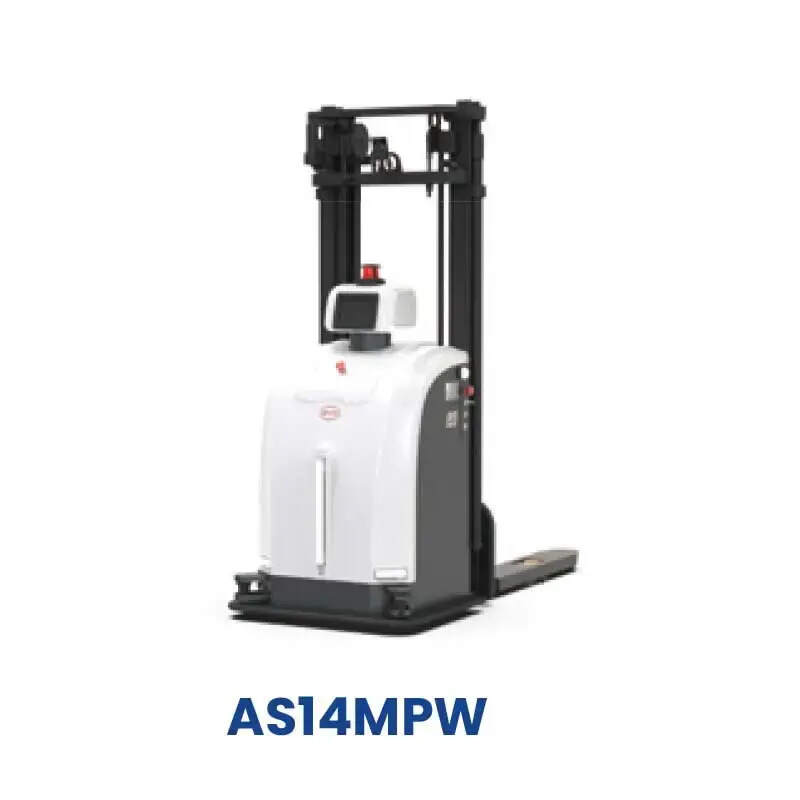
First, sort out core operation parameters in advance. Before selecting specific equipment, operation teams need to collect basic data covering daily cargo throughput, average handling distance, conventional load weight of standard pallets, minimum width of operation aisles, clear height of shelf areas, slope gradient of loading and unloading platforms, and special operation requirements such as low-temperature cold storage scenarios. These data are the core basis for subsequent equipment matching, no decision should be made without full investigation of actual site conditions.
Second, match forklift performance with actual scenario demands. For counterbalance electric forklifts, confirm that the battery life can fully cover the operation duration of single shift or two-shift work, the lifting height can meet the demand for accessing goods on the highest layer of shelves, the braking and tire performance are adapted to the ground conditions of the operation area, and the body width can smoothly pass through the conventional operation aisles of the warehouse. Avoid the mismatch between equipment performance and actual demands caused by excessive pursuit of redundant parameters or blind selection of low-specification products.
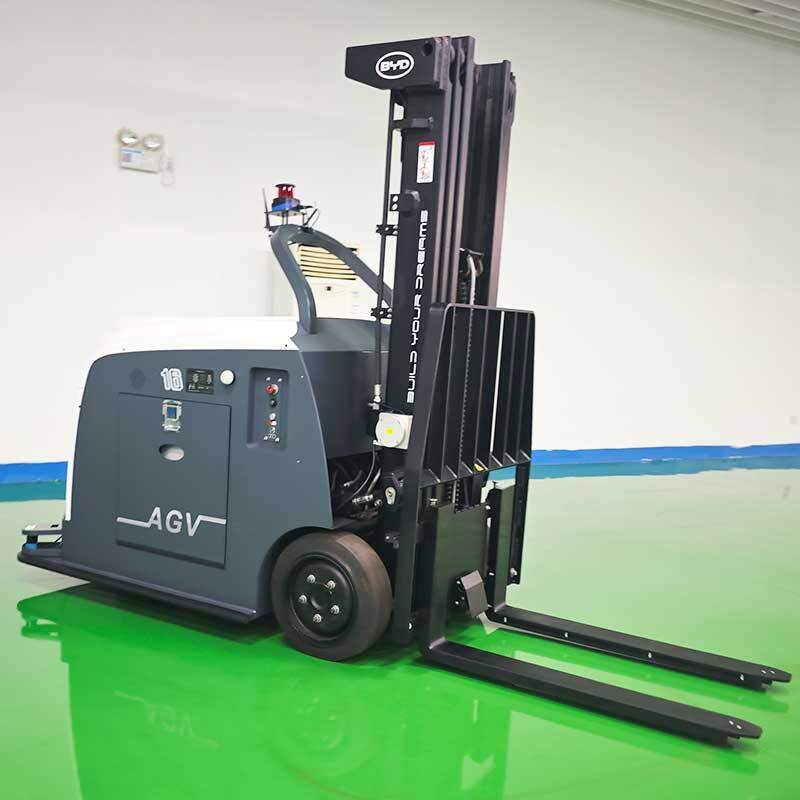
Third, complete supporting infrastructure planning. Reserve a dedicated charging area at the edge of the operation dynamic line, which will not interfere with the normal daily handling work, and reserve enough space for subsequent capacity expansion to add more equipment charging positions. It is also necessary to set aside an independent maintenance operation area, which is convenient for daily regular inspection of equipment components and battery maintenance, so as to prolong the service life of the equipment.
Fourth, formulate matched operation and management rules. Carry out standardized operation training for on-site operators in advance, clarify operation specifications in different scenarios such as shelf access, platform loading and unloading, and narrow aisle passing, which can effectively reduce operation risks and improve the turnover efficiency of single equipment.
We are Jianxin New Energy, focusing on BYD electric forklifts. If you need professional customized planning support for counterbalance forklift deployment in your distribution center, you can send an email to [email protected] to get targeted solution suggestions.


