简体中文
 Русский
 Français
 Português
 Español
 لالعربية


Agricultural facilities cover multiple complex operation scenarios ranging from enclosed crop greenhouses, fresh product cold storage, feed warehouses to livestock breeding zones, which put forward unique targeted requirements for internal material handling equipment. Unlike general industrial scenarios, agricultural operation areas usually have narrow access aisles between planting racks, non-slip ground with certain humidity, and strict requirements for emission and noise control, making 3-wheel electric forklift a highly suitable handling option for most agricultural operation needs.
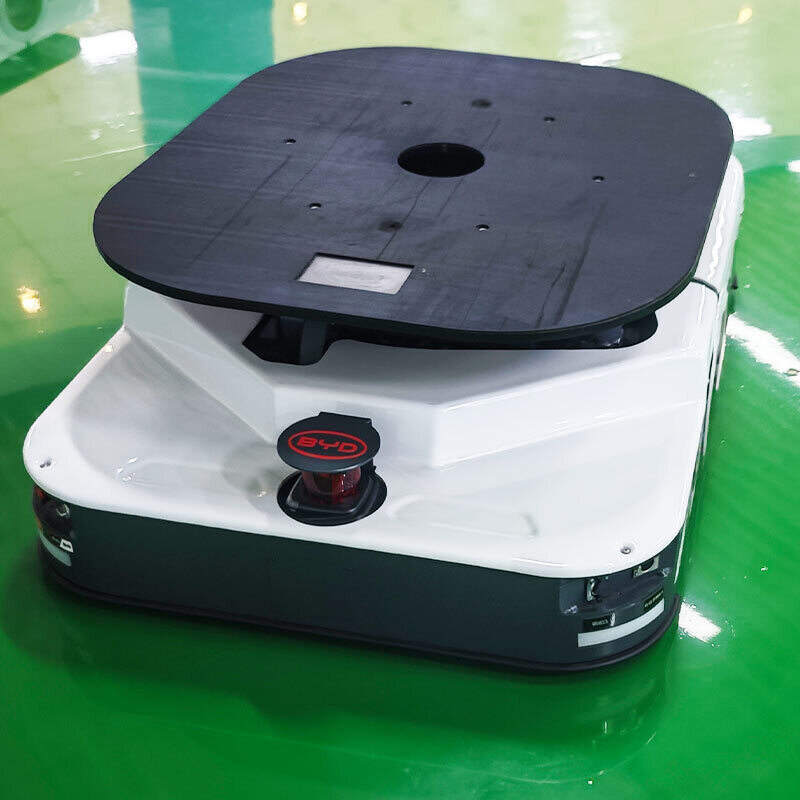
The first step of deployment planning is to complete a full-site survey and demand statistics. You need to measure the minimum width of all aisles that the forklift will pass through, the maximum slope of the outdoor transition area between different functional zones, the average weight of goods to be handled every day, the maximum lifting height required for storage racks, and the total daily operation hours. The compact body and small turning radius of 3-wheel electric forklift can easily pass through aisles that cannot accommodate large counterbalanced forklifts, the low center of gravity design ensures stable operation on slight slopes, and will not scratch greenhouse brackets or crop planting racks in narrow space operations.
Next comes the operation route and supporting facility layout planning. You can divide fixed operation lines according to the common handling paths of daily goods such as agricultural supplies, harvested crops, feed and packaging materials, to reduce unnecessary detours. For the charging point layout, you can arrange waterproof and sun-proof charging stations in the corner of the material storage zone that does not affect the passage of personnel and vehicles. Most 3-wheel electric forklifts can complete sufficient power replenishment during the staff's short break, to meet the full-day continuous operation needs. The zero-emission operation feature will not produce any exhaust gas that may pollute crops or affect the health of livestock, and the low-noise operation state will not interfere with the normal growth rhythm of plants and animals in the facility.
Finally, you need to make a long-term operation and maintenance plan. Reserve a small independent space for daily equipment routine inspection, regularly check the battery operating status, tire wear degree and lifting component flexibility, to adapt to the dusty and humid operation environment unique to agricultural scenarios, and extend the stable service life of the equipment. If you need professional customized planning support for your agricultural material handling system, we are Jianshu New Energy, focused on BYD electric forklifts, you can contact us via [email protected] for detailed consultation.